What Movies Inspire Ari Aster?
The auteur digs deep into his influences and life.
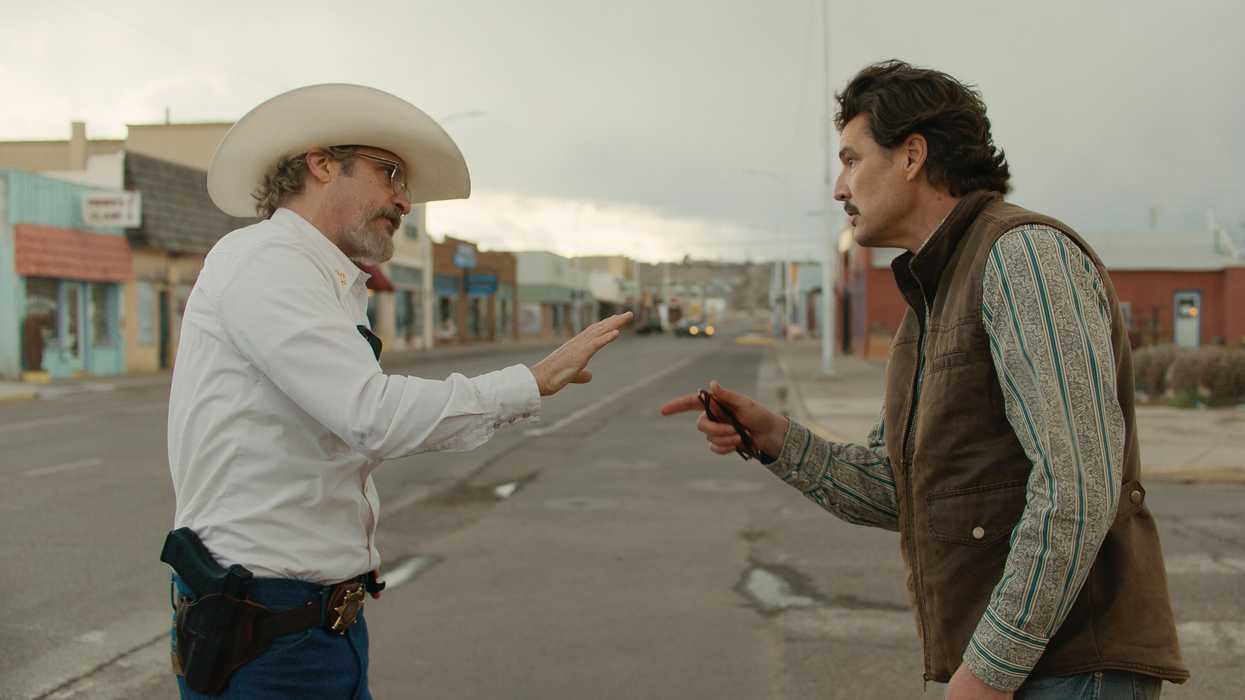
'Eddington'
Man, it's so refreshing to have a director like Ari Aster working consistently in Hollywood. I'm very interested in the kinds of movies he makes and the way he sees the world.
That's why I was pumped to see him sitting across from Sean Evans, the best interviewer of our time, talking about the movies that influenced his new movie, Eddington, and what other movies inspire him.
Let's dive in.
Ari Aster's Deep Dive on Himself
Ari Aster is the director behind movies like Hereditary, Midsommar, and Beau is Afraid. His new movie, Eddington, opens this week and is already getting the kind of reviews that make me so excited to see it.
Eddington is set in the not-so-distant past of COVID 2020. It's a time when we all lost our minds.
At its heart, Aster says Eddington is an empathetic look at individuals living in their own isolated worlds, a theme I think resonates with his previous works.
Aster also revealed that the film acknowledges and plays with the tropes of the Western genre, with its main character being heavily influenced by some of the best Western movies..
As someone who loves pastiche and playing with tropes, it really made me pumped to dive into this world with him.
But what are the movies that influenced him?
The Films That Made the Filmmaker
The real treat of the video is seeing Aster geek out over cinematic history. He delves into a treasure trove of archival materials, sharing his thoughts on films that have inspired him.
- Fat City (1972): Looking at storyboards from John Huston's boxing drama, Aster praises its realistic and grounded portrayal of a small town, drawing a parallel to his own ambitions for Eddington.
- Nashville (1975): Aster's admiration for Robert Altman's masterpiece is palpable. He calls it one of the greatest films ever made about America, a sprawling "circus" of eccentric characters. In a sweet anecdote, he shares that Nashville's writer, Joan Tewkesbury, was the first person to read one of his screenplays when he was just 13 years old.
- JFK (1991): Oliver Stone's controversial and technically brilliant film is another touchstone for Aster. He marvels at its incredible editing and design, noting how it taps into the "fever of conspiracy thinking" that is so deeply woven into the fabric of American culture.
- Unforgiven (1992): Aster calls this a very full film, and talks about how the movie takes apart the tropes of the western, and how that allowed him to inspire the main character in Eddington.
- Joe (1970): While not a personal favorite, Aster appreciates the script for this film and its exploration of American rage and the division between the working class and the rest of society.
- The Ballad of Narayama (1958/1983): Aster's love for Japanese cinema shines through as he discusses this powerful film about a village's tradition of leaving its elderly to die on a mountain. He draws a clear connection to the unsettling themes in his own film, Midsommar.
A Place in History
The video ends with Aster discovering that he already has his own file in the Academy Archives, which may be one of the coolest things for any movie nerd out there. To know his art is already being appreciated is very cool.
I'm pumped to see Eddington and to see whatever Aster makes next.
Let me know what you think in the comments.
- The ‘Midsommar’ Ending Explained ›
- Martin Scorsese and Ari Aster Unpack 'Beau is Afraid' and Filmmaking ›
- Why the Postmodern Structure of Ari Aster’s ‘Beau is Afraid’ Works Masterfully ›
- 10 Directing Lessons Inspired By Ari Aster ›
- 'Hereditary': How Ari Aster Pushed His Horrifying Film 'As Dark As It Could Go' ›
- Ari Aster Dissects the Meaning of 'Eddington' | No Film School ›
- Read All Of Ari Aster's Scripts | No Film School ›
- All of Ari Aster's Projects, Ranked | No Film School ›
- Robert Altman Movies, Ranked | No Film School ›
- Filmmaking Insights From Ari Aster: Tackling Westerns and Social Media in 'Eddington' | No Film School ›
- A Lesson From Ari Aster: If Your Movie Doesn't Have Haters, You Aren't Doing It Right ›