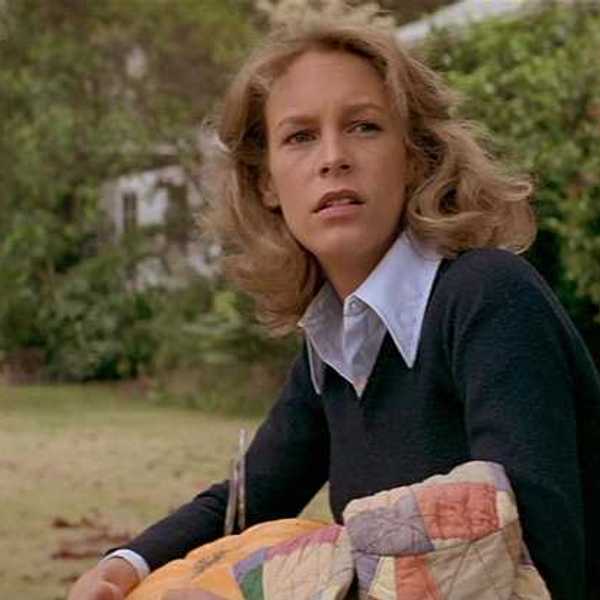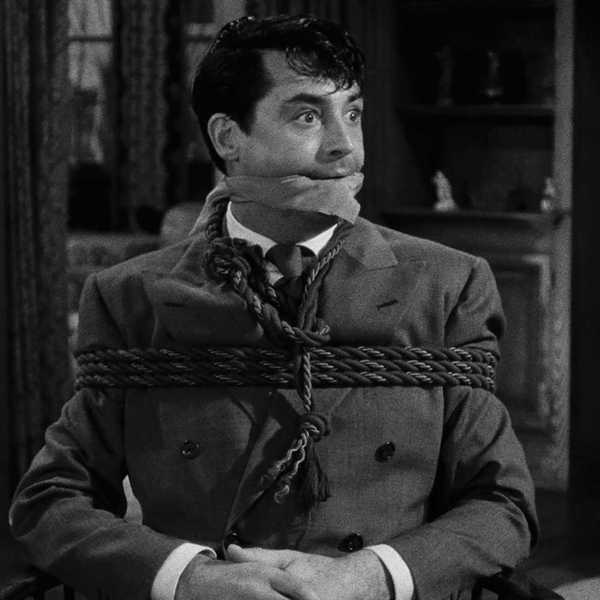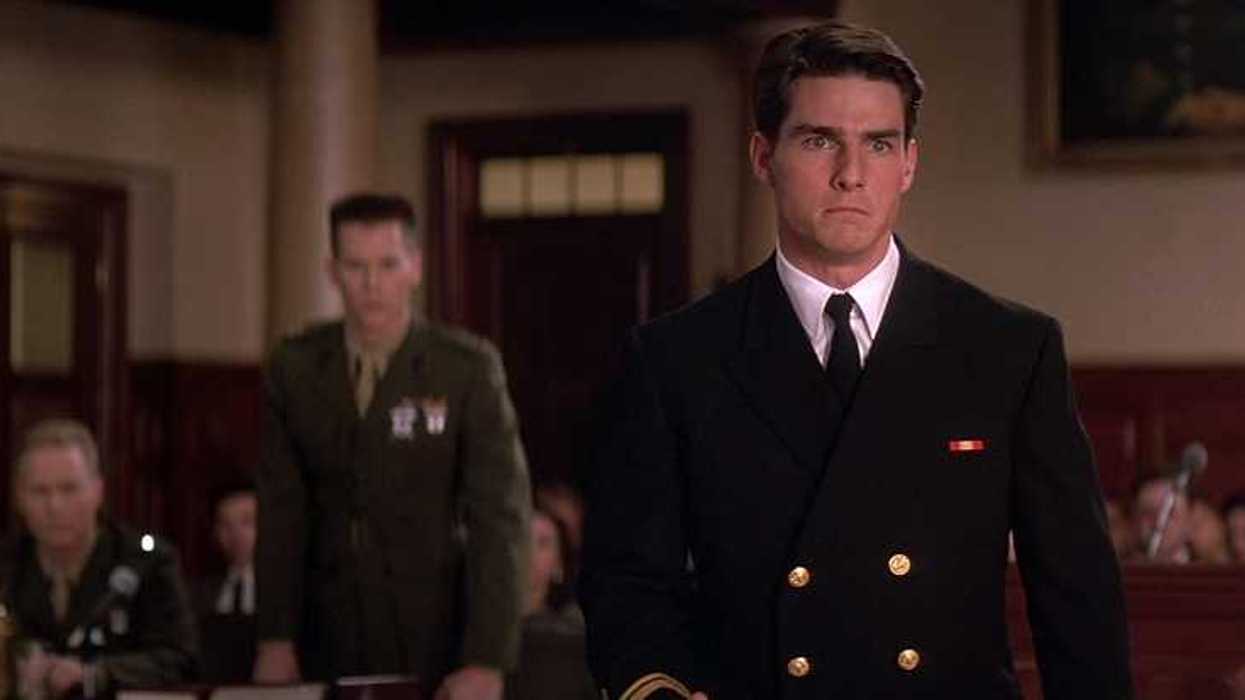
I went to see Coyote v. Acme the other week, and I was explaining to my wife that it wasn't just crazy that we got a Looney Tunes movie; it was even crazier that we got a courtroom drama.
Because aside from that Netflix movie, The Trial of the Chicago 7, I was having a hard time remembering when the last theatrical studio-made courtroom drama came out.
Juror No. 2 comes to mind, but again, that was a lower-budget film and had a special scenario around it, being Eastwood's last movie.
The fact is, we used to get these movies all the time.
Throughout the mid-to-late 20th century, and especially through the 1990s, courtroom dramas were massive commercial blockbusters.
Audiences lined up around the block to watch people in suits sit in wood-paneled rooms and talk each other to death, or expose major secrets.
They were the hits of the day and garnered lots of Oscars too.
So where did they go, and how did the genre sort of die out so that they are few and far between today?
Let's dive in.
 Behind the scenes of 'The Trial of the Chicago 7'Credit: Netflix
The Golden Age: The 1950s–1960s Spark
After the Second World War, people wanted justice. They wanted the kind of justice that made the world feel like a fair place. There was so much unrest in the country. With civil rights, the war in Vietnam, and the uproar of assassinations at home.
People wanted order...
And they found that order in the court.
These movies also came with inherently high stakes and a specific structure.
Films like Sidney Lumet’s 12 Angry Men (1957), Billy Wilder’s Witness for the Prosecution (1957), and Robert Mulligan’s To Kill a Mockingbird (1962) proved that you could also have great characters and modern twists that shock the audience.
The confined spaces could be elevated for tension, and you could always go wide when that tension needed to be released, like when Atticus walked out.
 '12 Angry Men'Credit: TCM
The '90s IP Legal Renaissance
This is where the boom happened. In the '90s, for one reason: John Grisham exploded. The guy was a lawyer turned author who pumped out books, and all of them became movies.
It was sort of like the romance boom we're seeing now, because studios even picked up imitators or similar genre pieces in droves in order to compete.
Studios realized legal thrillers were bulletproof box-office hits, and we got so many of them.
Some highlights are Presumed Innocent (1990), which had the pedigree of the great director Alan J. Pakula and starred Harrison Ford. It cleaned up at the box office and made $221M worldwide.
Then you had Sorkin and Rob Rieber combining for A Few Good Men (1992). This was a hit stage play that got adapted and had another all-star cast of Tom Cruise, Demi Moore, and Jack Nicholson. It got four Oscar nominations.
By that point, The Firm (1993) stepped in, and we got our first massive Grisham hit. Sydney Pollack's adaptation grossed over $270M globally as a summer release. It was bigger than most action movies of the time.
From there, we saw major awards wins too, like in My Cousin Vinny (1992), which earned Marisa Tomei an Oscar! And then one of the craziest twists of all time, in Primal Fear (1996).
Which brings us to the big question...
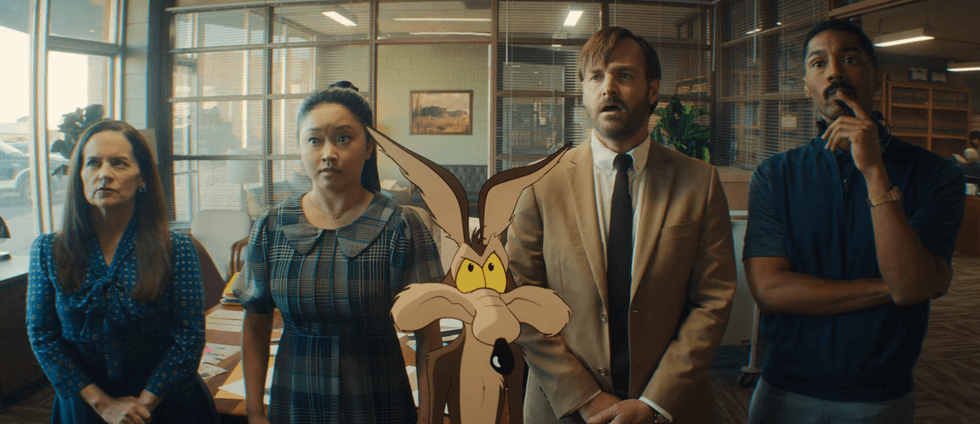 It's Finally Here: Watch the 'Coyote vs. ACME' Trailer Credit: Ketchup Entertainment
So, Where Did the Courtroom Drama Go?
The easy answer is TV. We created a courtroom drama of the week with Law & Order and all their spin-offs. Spinoffs dominated, too. We even had dozens of legal TV shows that did that, too. And many of them were inspired by John Grisham novels.
These weekly shows were also popular because they could tackle the problems we're having in real time, like how SVU did a series of COVID episodes.
Look at the biggest courtroom ideas...Better Call Saul and the Presumed Innocent remake... both are series that explore court stuff episode by episode, and even go out into the real world, so you have your cake and eat it too.
Aside from that, by the late 2000s, the mid-budget studio drama began to fade.
We've seen the rise of franchise tentpoles and CGI spectacles over the last 20 years; these have become our blockbusters.
The trials people got invested in, even like OJ, all moved to True-crime docuseries or TV shows. Even podcasts took over this stuff, with things like Serial only ever existing in audio form.
You can see the DNA of these ideas living on in Anatomy of a Fall, and other movies that come out here and there. Especially along with some of the other ideas I mentioned in the opener, but these now feel like special events andn ot the priority of the studios.
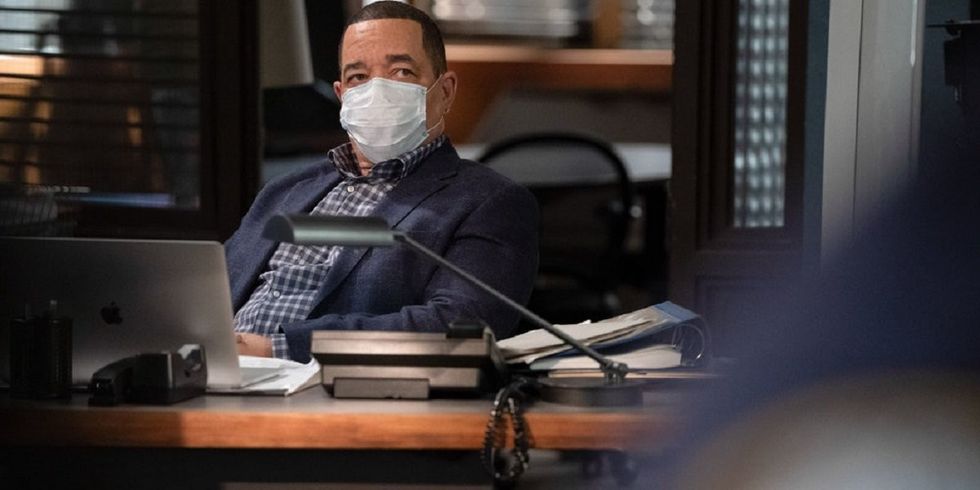 'Law and Order: SVU' CREDIT: NBC
Summing It All Up
The courtroom drama's golden run was such an interesting time. Now, we're seeing so many of those ideas on TV, but movies still have a shot at recapturing those days.
I feel like we're just one famous courtroom spec away from a resurgence.
So go write it!
- Noah Baumbach Breaks Down the Agonizing Courtroom Scene in 'Marriage Story' ›
- The Courtroom Classic Film That Was Shot in Just 2 Rooms ›
- A Step By Step Guide to Filming a Courtroom Scene ›
- This Iconic Monologue From 'To Kill a Mockingbird' Shook the Courtroom ›
- The Verdict’s In: 9 Best Courtroom Films That Deliver Justice ›