Peek Behind the Camera With James Cameron Explaining How He Shot ‘Avatar: Fire and Ash’
The master speaks on the 3D filmmaking techniques he used to bring Avatar: Fire and Ash to the big screen.
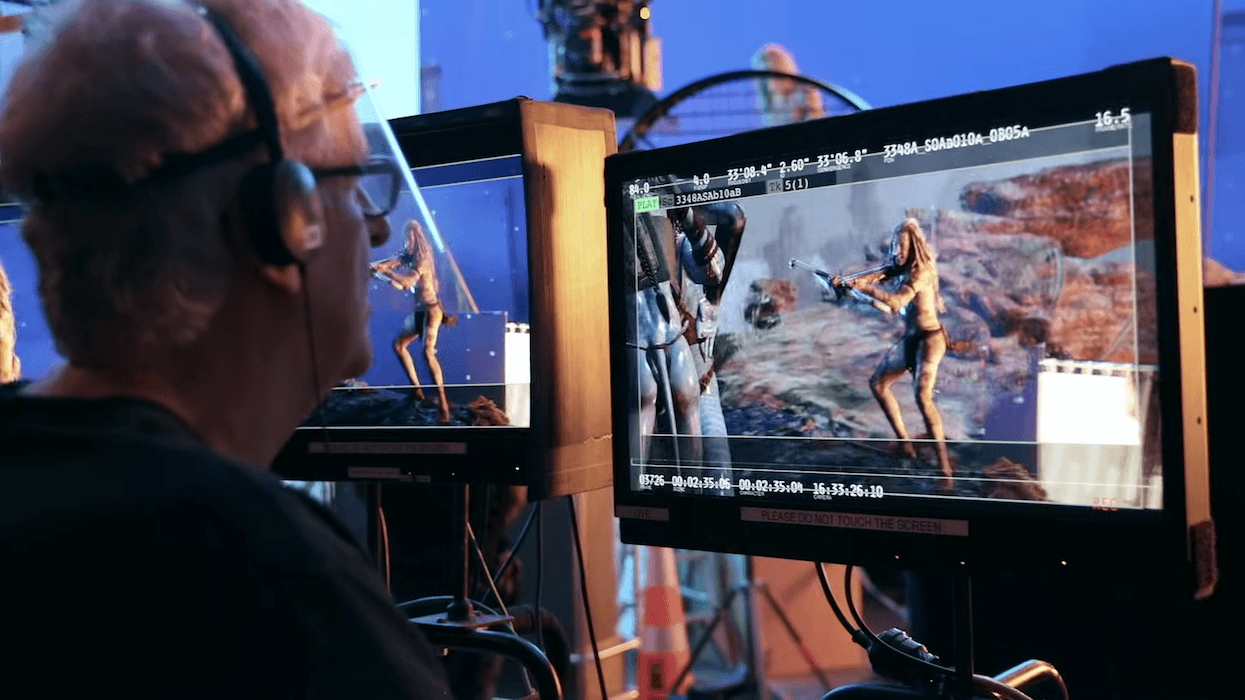
‘Avatar: Fire and Ash’
Once again, the master is at work. While we can always dissect James Cameron’s projects both from a film-fan side and a filmmaking side, it can honestly be hard not to just geek out on how Cameron can so perfectly use his advanced filmmaking techniques to create films (and specific sequences) that are so enjoyable and watchable that we forget we’re watching anything but true life itself.
And that’s really the trick here, as you can see in this fun behind-the-scenes featurette put out in promotion of Cameron’s latest achievement, Avatar: Fire and Ash.
Using a technically marvelous confluence of 3D filmmaking technologies from stereoscopic 3D techniques to impressive camera rigs, this feature is a brilliant look into the immersive 3D filmmaking techniques employed by Cameron and his team. Let’s check it out.
Behind the Camera of Avatar: Fire and Ash
In a short but jam-packed video featurette put out in promotion of Avatar: Fire and Ash, we get the master himself quickly going over some of his favorite 3D filmmaking techniques that he and his crew employed while looking to bring the latest installment of his Avatar franchise to life.
The video features a nice look into the evolution of Cameron and crew’s stereoscopic 3D technology as we look at some of the early setups to the most recent (and most advanced) camera rigs used to capture such big and immersive scenes and set pieces.
We also get some nice insights into how the myriad of artists employed on this project were able to create immersive and comfortable 3D experiences for the actors, performers, and artists on set, to the editors, designers, and eventual viewers of the film.
Avatar: Fire and Ash is out now and highly worth giving your full, undivided attention on the biggest screen possible in your area. If you’d like to learn more about the film and what it means for the art of filmmaking, here’s more Avatar coverage to check out.