When the lights go down and the screen lights up, all we see is the final product. Polished performances, slick camera moves, and visual effects that feel too seamless to question. It looks like magic.
But it isn’t. It’s logistics and labor. It’s a hundred things going on behind the scenes while actors say their lines.
In Hollywood, there’s a literal “line” in every budget. Above it are the stars, directors, producers, and writers—those who shape the story.
Below it? Everyone else. The crew. The builders. The fixers. The hundreds of craftspeople who turn an idea into something you can project onto a screen.
If a film runs out of time or money (as it often does), it’s below-the-line (BTL) costs that carry the weight. The people in those roles are below-the-line talent and crew members.
What Exactly Is “Below-the-Line” in Film Budgets?
Think of a film set as a battlefield. The director may call the shots, and the stars may lead the charge, but it’s the below-the-line crew doing the trench work. They’re hauling, building, wiring, tracking, tweaking, fixing.
In budgeting terms, “below-the-line” (BTL) is about categorization. It separates fixed creative deals (actors, director, writers) from everything else needed to physically execute the film. That includes cinematographers, assistant directors, sound mixers, gaffers, grips, set decorators, and post-production crews. It also includes the trucks, gear, permits, insurance, and even the coffee.
These aren’t locked-in fees. BTL costs shift constantly and scale fast. One camera rental turns into four. A two-week shoot becomes three. A storm ruins the location. That’s why BTL can take up more than two-thirds of the budget, because filmmaking is less about predictability and more about solving problems under pressure.
So when studios greenlight a film, it’s way more than just who’s starring in it. It’s whether the team below the line can make it work without the wheels flying off.
The Unsung Below-the-Line Heroes
Below-the-line jobs don’t come with fame, but without them, nothing gets shot.
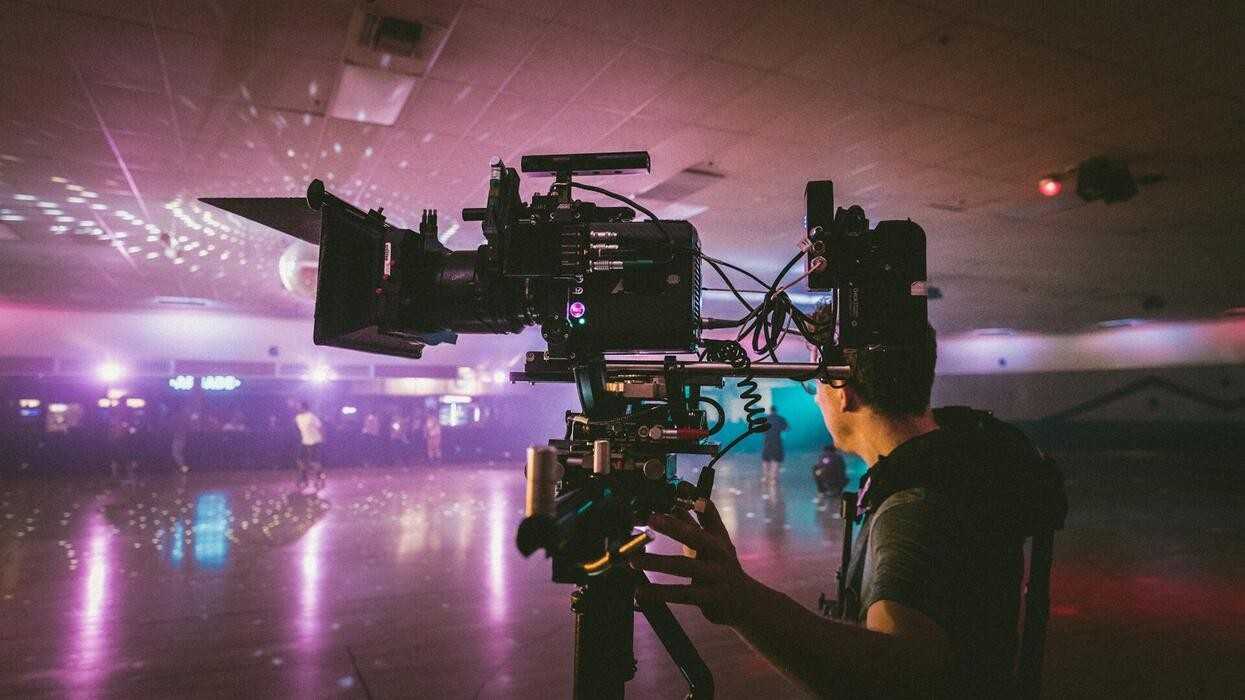
Camera teams help get the shot. Gaffers and grips shape light and movement. Assistant directors run the schedule. PAs are everywhere. They hold it all together.
Then there’s the art department—costumes, props, sets. Every visual detail, from a knight’s armor to a coffee stain on a desk, is someone’s responsibility. Post-production adds another layer—editors, sound designers, colorists—quietly turning chaos into story.
Take Mad Max: Fury Road. Its six Oscars all went to below-the-line work in stunts, design, editing, and sound.
Why don’t these roles get more credit? Because they’re invisible by design. If they’ve done their job well, you don’t notice them. But without them, the screen stays blank.
 Credit: Kyle Loftus
Hidden Costs and Budgeting
Here’s what no one tells you. It’s rarely the lead actor’s paycheck that sends a film into panic mode—it’s the stuff buried in the BTL section of the spreadsheet.
Location fees balloon when shoots run long. Overtime racks up fast—union crew members don’t work for free past 12 hours. Equipment rentals, reshoots, and last-minute weather backups all add up. And then come the invisible charges: insurance, meal penalties, union dues, travel, hotel rooms, security, and fuel. Even toilet rentals. All BTL.
Smaller productions feel it hard. An indie film might blow half its budget just on keeping the lights on and feeding the crew.
With bigger budgets, the scale shifts, but the problems remain. When Waterworld flooded its own set in 1995, the damage pushed the budget past $170 million, a significant portion of which was allocated to BTL disaster control. Justice League’s reshoots under Joss Whedon were another costly BTL detour.
What appears to be a runaway budget is often just logistics getting complicated. It’s not flashy, but it’s the stuff that keeps productions standing or sends them tumbling.
How Below-the-Line Talent Shapes a Film
BTL isn’t just financial. It’s also deeply creative. The look, feel, and rhythm of a film often come from the hands working behind the scenes, not the names on the poster.
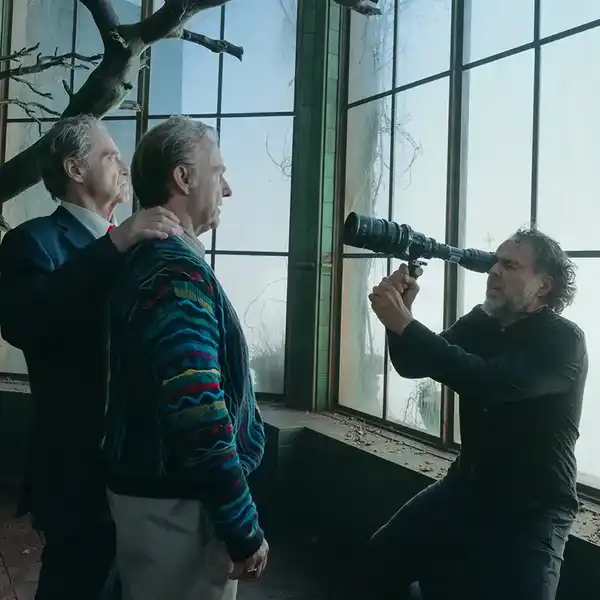
Take The Revenant. Director Alejandro Iñárritu’s vision relied on natural light and remote locations. That meant the crew had to haul equipment through ice, rivers, and forests every day. Cinematographer Emmanuel Lubezki’s work won an Oscar, but it only happened because the BTL team endured brutal conditions to get those impossible shots.
Or think of production designers. The right set should tell the story silently. A rusty trailer. A neon-lit diner. A hallway covered in peeling wallpaper. These details don’t come to life with dialogue—they come from BTL choices. The same applies to costumes, makeup, and props. If they’re wrong, nothing works.
And then there’s the myth of “fixing it in post.”
A rushed shoot or sloppy coverage can’t always be saved. Editors and VFX teams can only do so much with what they’re given. When BTL gets shortchanged, the entire film suffers.
When it comes to supporting and materializing a creative vision, those below the line are key.
 Credit: Avel Chuklanov
The Future of Below-the-Line
The below-the-line world is shifting fast. Streaming platforms like Netflix and Amazon produce content at breakneck speed, creating massive demand for crews, often across multiple countries. That means more work, but also tighter schedules, leaner budgets, and sometimes, lower pay.
Unions have taken notice. In 2021, IATSE (the International Alliance of Theatrical Stage Employees) came close to striking due to poor working conditions and burnout.
Their demands weren’t excessive—just livable hours, fair pay, and proper breaks. When a crew works 14 hours a day for months, even small wins matter.
There’s also pressure to go greener. Eco-friendly sets, sustainable materials, and reduced energy usage are becoming industry standards. That’s good news, but it also changes how below-the-line teams work and budget. Perhaps it’s LED lights instead of tungsten or virtual production instead of flying crews across the globe.
And of course, there’s AI. Will automation eat into below-the-line jobs? Possibly. But there’s still no software that can rig a stunt wire safely, or improvise a rain cover in a downpour, or adjust a boom mic in real-time during a live take. The work may evolve, but the need for smart, skilled individuals behind the scenes remains constant.
The Bottom Line Beneath the Bottom Line
Filmmaking is a strange blend of art and logistics. It needs dreamers, but it also needs doers. The below-the-line crew belongs firmly in the latter camp. They solve problems. They clean up messes. They make the impossible seem effortless.
So next time you stay through the end credits, don’t just wait for the post-credit scene. Watch the names roll.
- A "Prime" Example of No-Budget Filmmaking ›
- How We Made Our Low-Budget Action Movie Look Like a Million-Dollar Feature ›
- How (and Why) I Made an Indie Sci-Fi Feature Film for $30K ›
- This Shorts Filmmaker Gives You a Full Budget Breakdown, Tips for Finding Crew, and More ›
- The Ultimate Film Budgeting Guide [FREE Film Budget Template] ›
- We Shot Our Film with a $600 Camera, 3 Lights, and No Budget (and Still Got Distribution) ›
- How to Make Period Pieces on a Micro-Budget ›