The Butterfly Effect is a classic proverb. The idea that the smallest of decisions will have insurmountable impact and consequences. It’s also a really good storytelling device, especially when used in suspenseful contexts.
Let’s talk about some of the best movies that utilize the Butterfly Effect to its full potential…that aren’t The Butterfly Effect, because that’d be too obvious.
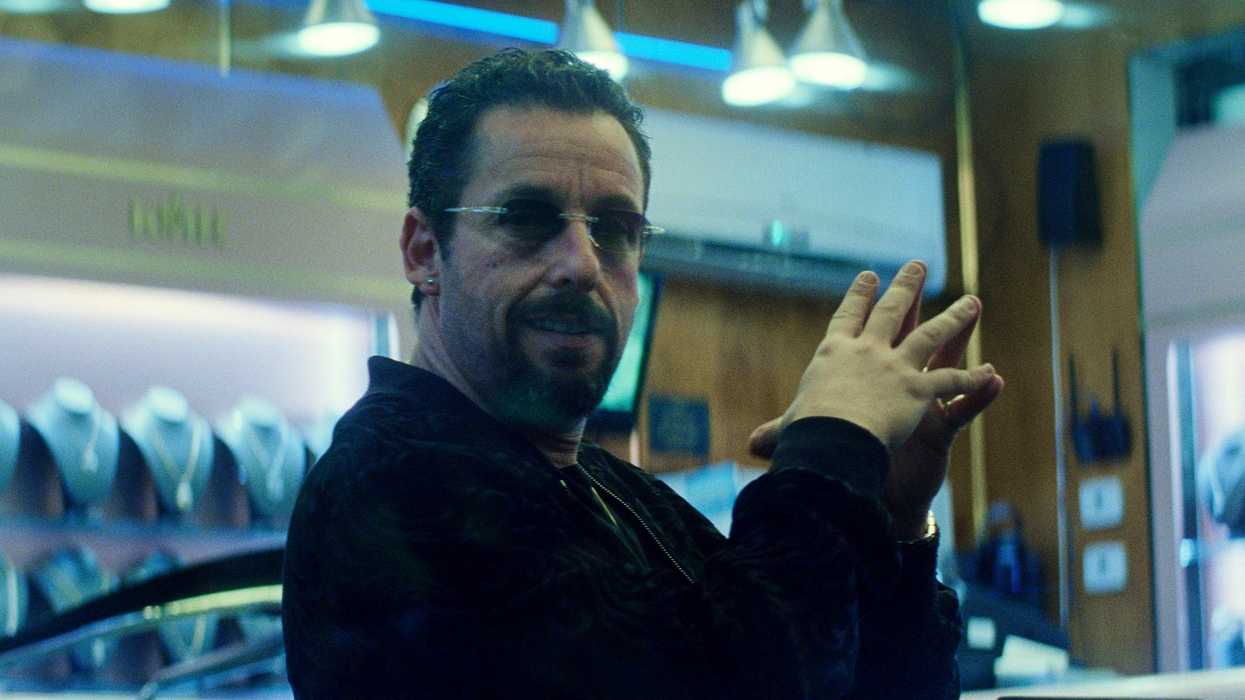
Uncut Gems
The Safdie Brothers’ 2019 stressball thriller, Uncut Gems, is Adam Sandler at his absolute best. Sandler plays a degenerate gambler and jeweler, Howard Ratner, who continuously makes increasingly risky bets and gambles on increasingly poor odds until everything inevitably comes crashing down in front of him.
Where the Butterfly Effect usually refers more to a single decision setting off a chain reaction, in Uncut Gems, Howard himself is the chain reaction. There are several points throughout the film where if he had just come to his senses and quit while he was ahead, it’s entirely possible that he’d still be able to salvage a lot of what he was in danger of losing.
But in his head, every single small loss is leading him towards some imaginary generational win. Obviously, that’s not true, and in the film’s final moments we, as the audience, have a lot more time to process Howard’s failure than he ever got to, but as an inversion of a classical trope, the film functions beautifully.
Back to the Future
 ‘Back to the Future’Credit: Universal Pictures
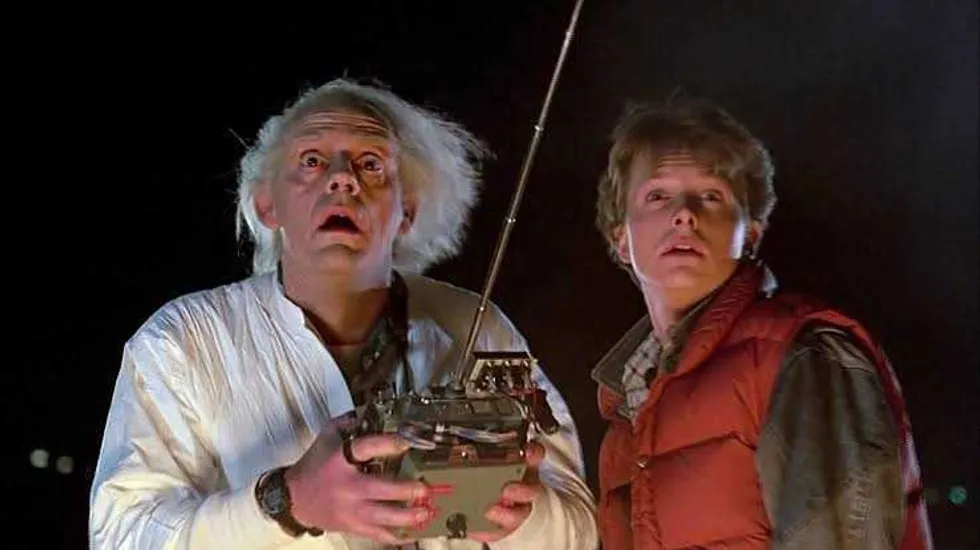
One of the crown jewels of 80s adventure films, Back to the Future functions under the guise of the Butterfly Effect needing to happen, as opposed to trying to outrun it. Usually, the Butterfly Effect is seen in an antagonistic sense, as some form of inescapable theory that will eventually cause destruction. But here, Marty needs it to happen in order to survive and save his future!
When Marty travels back in time and accidentally gets his own mother to fall in love with him, he and Doc Brown realize through present-day photographs that Marty and his siblings are being erased from existence, and the only way to reverse it, is to put the proper Butterfly Effect back on track: getting his parents to fall in love, but this time, in a much more pronounced way.
Another thing that’s interesting about the way Back to the Future addresses the Butterfly Effect is how instantaneously at the end of the film it’s implemented. Instead of seeing the events progress over time, the moment his parents kiss at the school dance, everything is immediately restored. I’d say that’s definitely a more fun ending than continuing to watch Marty painfully fade into oblivion. But what do I know?
Jurassic Park
 'Jurassic Park' Credit: Universal
Of all of the things that Ian Malcolm does and says throughout Jurassic Park that have stayed with us forever, one of the most personally impactful for me is his explanation of chaos theory, or the Butterfly Effect that he gives to Ellie Sattler. “A butterfly can flap its wings in Peking, and in Central Park, you get rain instead of sunshine.”
With that, the same source of logic can be applied to all of the chaos that goes down throughout the rest of the film. The tropical storm is more powerful than expected, which strands everyone on the island, while Nedry sabotages the systems, resulting in the dinosaurs escaping, the deaths of multiple characters, and the park being shut down indefinitely. If only they had learned their lesson the first time, and not tried to reintegrate with the dinosaurs upwards of half a dozen more times in thirty years.
Donnie Darko
 ‘Donnie Darko’Credit: Newmarket Films
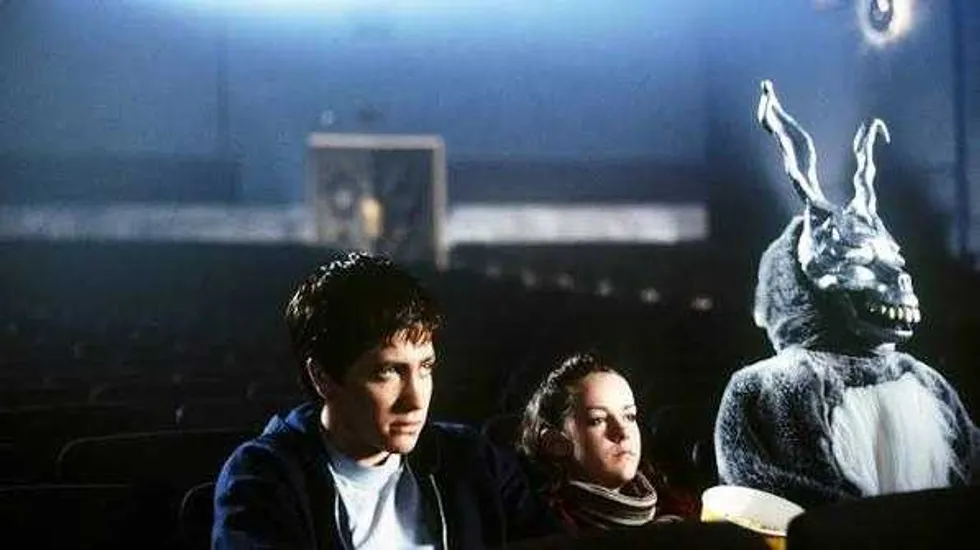
One of the densest, most fascinating films of the 21st century, Donnie Darko certainly deals with the Butterfly Effect, but it’s one of about a dozen existential concepts that the film analyzes at a near scholarly level.
In a way, the exploration of the Butterfly Effect in Donnie Darko goes hand in hand with the film’s handling of predestination concepts. It’s apparent by the end of the film that Donnie is stuck in some form of time loop, and destined to die in the plane wreckage every time. And every decision that he makes throughout the film is clearly building towards it, so whenever the loop resets, so does the Butterfly Effect.
Donnie Darko is also one of those films that elicits a dramatically different interpretation from nearly everyone who watches this, so if you’re reading this and thinking I’m insane, that’s totally cool.
The Terminator Franchise
 'Terminator 2: Judgment Day' Credit: Tri-Star Pictures
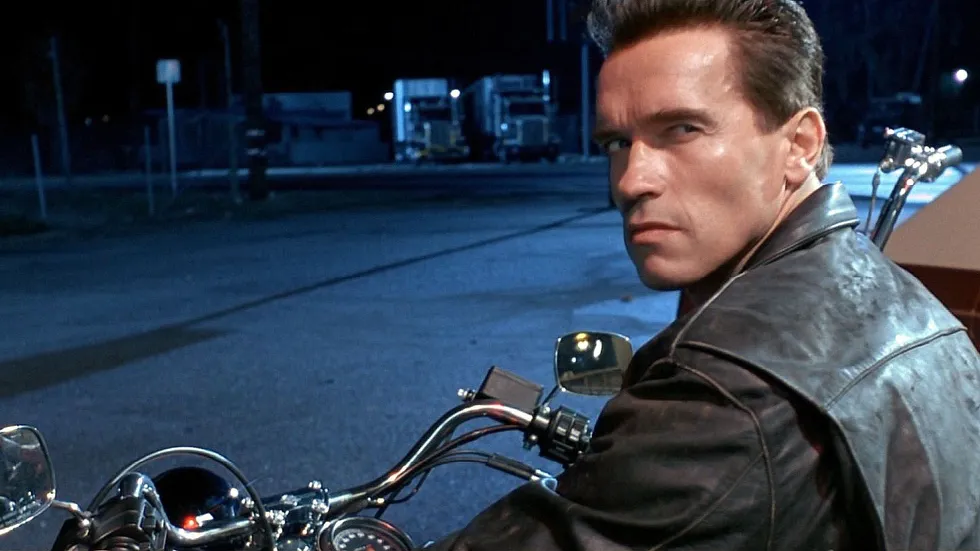
The entire fulcrum of the Terminator franchise is contingent on the Butterfly Effect as a concept. If John Connor lives, the war and rebellion are kept alive. If John Connor is killed, the world succumbs. If Skynet is destroyed, Judgement Day is at least delayed. If Skynet remains standing, Judgement Day is imminent.
There isn’t a version of the narrative where everything is guaranteed to work out squeaky clean, but the thematic focus on hope, especially throughout the first two films in the series, is far more intriguing in its ambiguity than it would have been if it were more black and white.
There is a moment in Terminator 2 where John watches two young boys fight each other with toy guns, before lamenting that humanity is likely not going to survive, and the Terminator responds that it is in our nature to destroy ourselves. There’s obviously an inclination and a thesis to what the characters are feeling, but the heaviness of not knowing definitively is what makes the manipulation of the Butterfly Effect in these movies so strong.