Byronic heroes, to quite an extent, are responsible for my problematic taste in men. Brooding, broken, and destructive, these heroes are a blend of genius and madness.
They’re tempting and magnetic, but soon enough, you realize that they’re a bite too big to swallow. They’re meant to save the world, but their own life and relationships? Not so much. While they’re definitely a version of the antihero, not all antiheroes are the Byronic hero.
In this article, let’s understand the Byronic hero in detail, including the origins of the archetype, its formula, and why it works.
What Is the Byronic Hero?
The Byronic hero is an archetype in screenwriting, inspired by and named after George Gordon Byron, or Lord Byron, the star poet of the Romantic era.
They are complex and rebellious and have difficulty managing their emotions. They are everything you would want, yet everything that you might be afraid of, once you know them in depth.
Key Traits of a Byronic Hero
Here’s what to keep in mind when developing a Byronic hero.
1. Intelligent, Witty, and Self-Aware
Byronic heroes are gifted with sharp minds. They are witty, proactive, and keenly aware of their flaws and strengths. However, in most cases, they are incorrigible and do not walk on the path of redemption. They can show some growth in different areas of their life, but overall, they’re not the ones open to change.
When developing a Byronic hero, pay particular attention to their mind by thoroughly exploring their perspective on the world around them, and let their strengths shine.
2. Rebellious and Cynical
Byronic heroes are not followers; neither are they people who would abide by the rules without questioning them. They rely on cynicism to navigate the world around them and reject societal norms and authority.
That being said, they’re not rebels without a cause. Rather, their rebellion is deeply rooted in their traumas or disillusionment.
Byronic heroes are nothing without their purpose. Give them something meaningful, personal, and universal.
3. Emotionally and Morally Complex
Byronic heroes typically have avoidant attachment styles, which can make them difficult to understand. They’re moody, brooding, and like to be left alone. In many cases, I’ve also noticed that these characters are slightly egotistical, as they are unable to accept their mistakes openly, although they spend hours loathing themselves over guilt and regret.
Bottom line, they believe that their pain and trauma make them stronger.
The background of your Byronic hero defines them. Ensure you are clear on their trauma and its impact on them to drive both their actions and the narrative.
4. Charismatic and Alluring
Flawed or cynical, Byronic heroes sweep you off your feet with their charm and magnetic personality. They have a way with words, and their mysterious personality is simply irresistible. Everyone wants them as their friend.
Body language plays a huge role in defining a Byronic hero. Pay close attention to their mannerisms so that you can replace them for dialogue effectively. A quiet character is mysterious, and therefore, a talkative Byronic hero doesn’t quite hit the mark.
5. Outcast
Byronic heroes are often misunderstood and cast as exiles or outcasts. They’re usually the black sheep of society and always swim opposite the tide, which often renders them alone on their journey.
Give them their own eccentricities and work diligently to ensure that even if they want to, they can’t be a nobody in the crowd.
Examples of Byronic Heroes
Here are a few Byronic heroes for you to analyze.
1. James Bond—James Bond Franchise
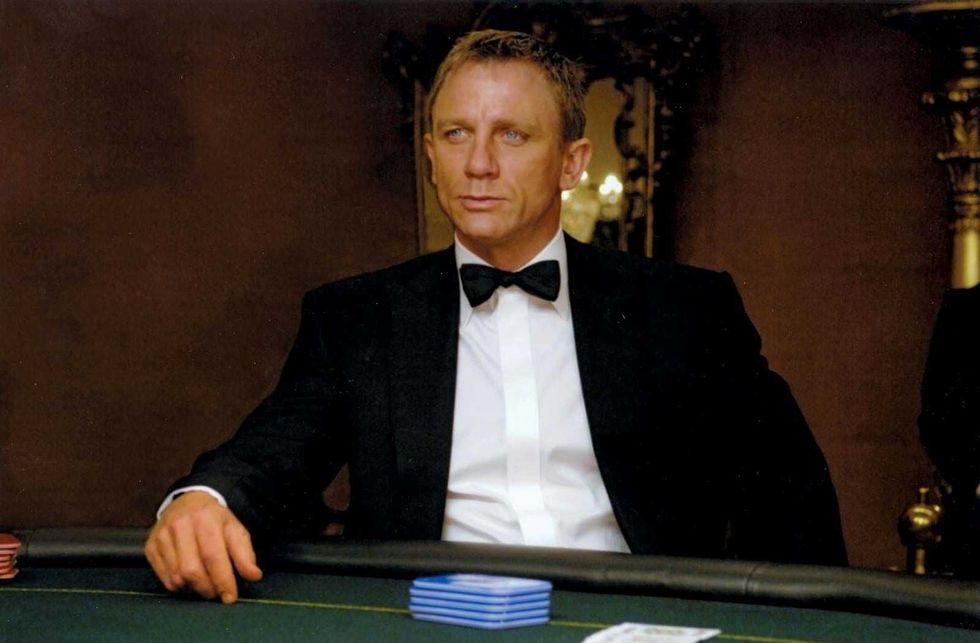 Casino Royale (2006)Source: Metro-Goldwyn-Mayer, Columbia Pictures, Sony Pictures Releasing
Emotionally guarded and a (not-so) secret agent who’s known for his charisma and cool detachment, James Bond is not traditionally brooding but lonely, defies authority, and lives life on the edge.
2. Batman/Bruce Wayne—The Dark Knight Trilogy
 The Dark Knight (2008)Source: Warner Bros., FilmFlex
Tormented by his past, Bruce Wayne sets out to protect the city of Gotham as Batman, but hardly knows how to have a stable life as a normal human being. Despite being a successful industrialist, Wayne’s inability to dissociate from his alter ego is a significant complexity.
3. Charles Foster Kane—Citizen Kane
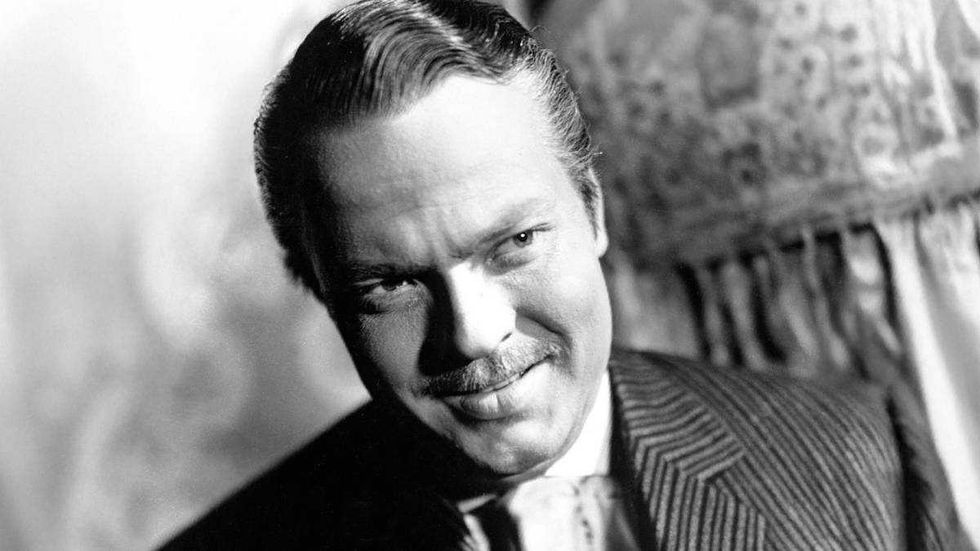 Citizen Kane (1941)Source: RKO Pictures, Paramount Pictures, Warner Bros.
A tragic Byronic hero, Charles Foster Kane is marked by his immense ambition, intelligence, and flaws. His insatiable desire for power and control led to his downfall, ultimately isolating him from society.
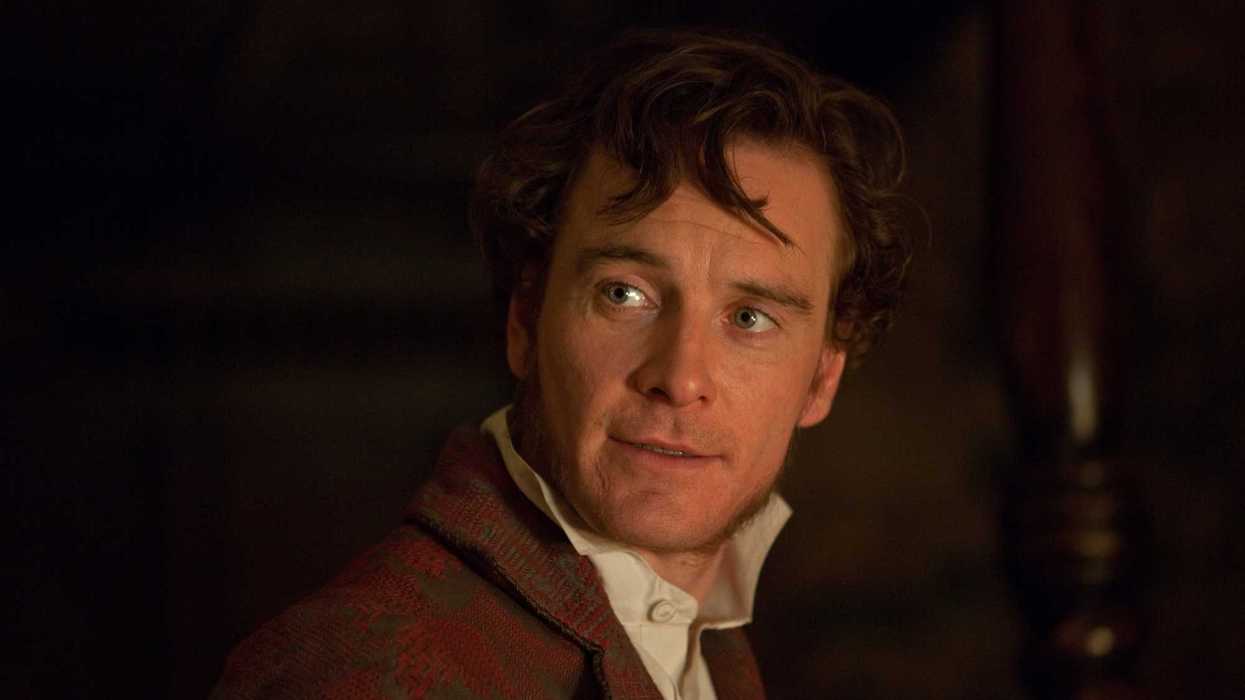
4. Mr. Rochester—Jane Eyre
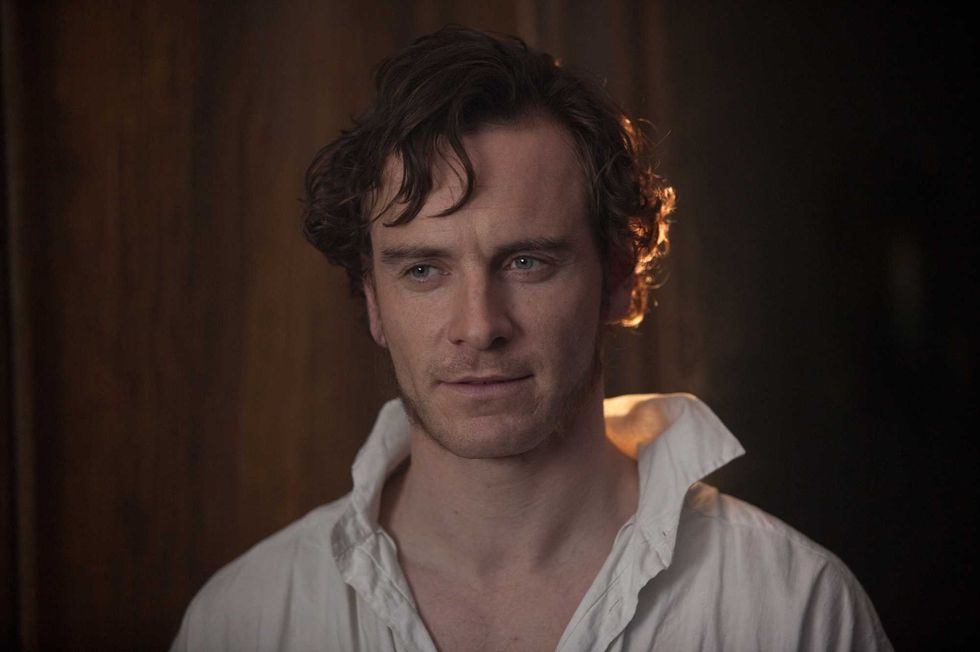 Jane Eyre (2011) Source: Universal Pictures, Focus Features
Straight out of the book, Mr. Rochester is the quintessential literary Byronic hero. Rugged looks, rude, yet somehow charming—no wonder Jane falls for him in the blink of an eye. To be honest, he’s as relevant as he can get, in today’s times: an outwardly charming man who has his ill wife locked in the attic.
5. Count László de Almásy—The English Patient
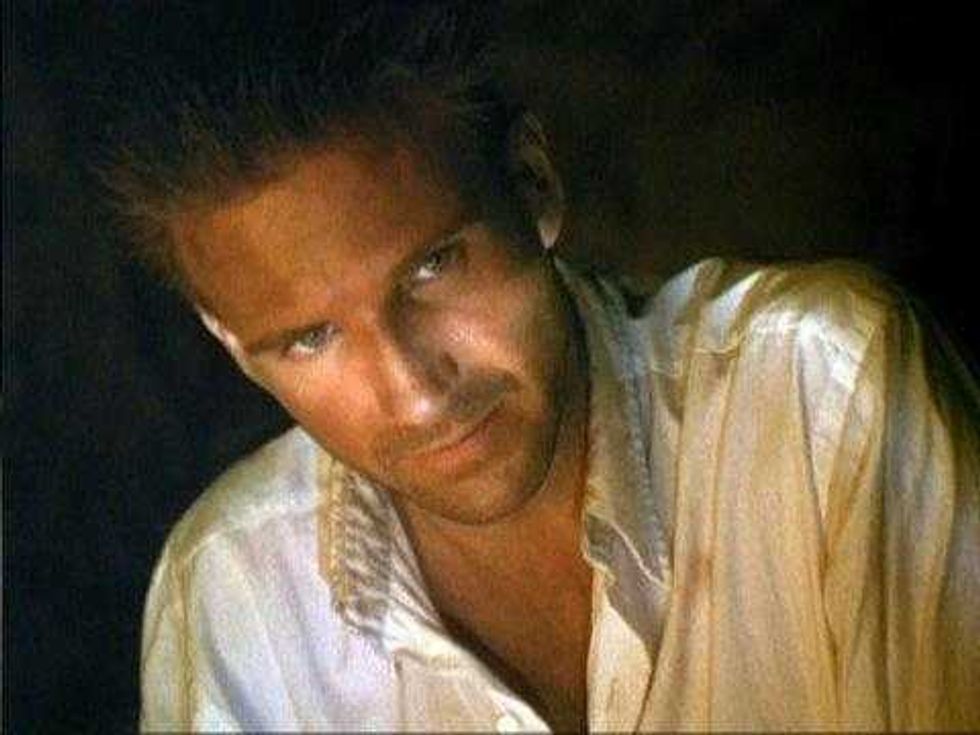 The English Patient (1996)Source: Miramax
Hungarian aristocrat, desert explorer, and aviator, László is deeply passionate and yet cynical, blinded by love and disillusioned by nationalism and war. Tormented by his trauma, including the death of his lover, Katharine, László sets out on a path of self-destruction in a life marked by loss, secrecy, and a quest for meaning amidst chaos.
What do you think of Byronic characters? Let us know in the comments.