7 Female Archetypes Hollywood Uses Over and Over Again
Seven female archetypes that Hollywood doesn’t get tired of.
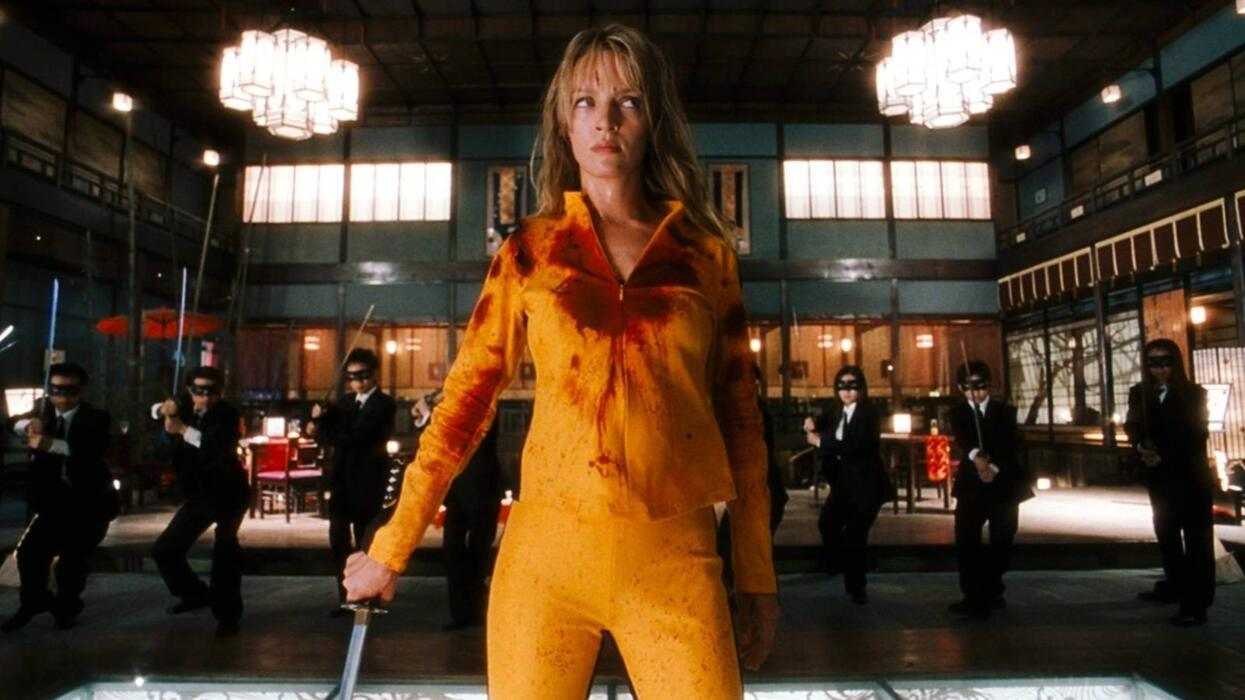
Kill Bill: Vol. 1 (2003)
You haven’t met this character before. But maybe, just maybe… You have.
Movies have consistently used and reused female archetypes that bear structural similarities to their predecessors. Primary movie characters are often built on the same foundations as those we have seen and loved over generations, but in a new world, a new setting, facing new challenges, in an all-new movie.
Hollywood movies stubbornly cling to their favorite female blueprints, and more often than not, you love them for it. While some continue to critique archetypal writing as unoriginal, others admire it for its timelessness and the idea of bringing a fresh take to an existing foundation.
Let’s take a look at a few archetypes that refuse to exit Hollywood movies.
What Is An Archetype?
Before we look at popular female character archetypes, let’s try to understand what an archetype character is. An archetype is a universal character template that repeats across stories and cultures. They are characters that audiences are likely to recognize simply because they have been a part of multiple narratives over the years, in different forms.
Essentially, these are roles that are often instantly recognizable. So, you may ask, if they are instantly recognizable, why do movies continue to use them?
There are many answers to this question. Firstly, writers can use archetypal characters to build familiar foundations only to subvert audience expectations. This, in my opinion, is one of the sharpest ways of using archetypes. Secondly, in movies that are inherently more ambitious, archetypal characters help bring about a sense of relatability. Thirdly, archetypes tend to increase the emotional resonance of the story by often connecting to universal fears, desires, and triumphs. Archetypal characters set audience expectations, trigger emotions, and make stories feel familiar yet powerful.
Now, let's dive into our main subject and explore the most popular female archetypes that we’ve seen frequently in Hollywood movies.
7 Female Archetypes Hollywood Loves
Here are seven of Hollywood’s favorite female archetypes.
1. Femme Fatale
This is a sexy, mysterious woman who uses her looks and charm to ensnare men into doing what she wants. An archetype that is used in all kinds of cinema, the femme fatale is predominantly used in thrillers, spy films, and film noir. However, modern movies have leveraged this archetype even in comedies and dramas.
Spotlight film: Hit Man (2023). In the kind of film that we hadn’t quite seen from Richard Linklater before, Adria Arjona lures a supposed hitman into a fake murder plot, only to flip the script. The film uses popular aspects of the femme fatale - seduction, lies, and double crossing, keeping audiences hooked onto a plot that is brimming with fantastic on-screen chemistry between Glen Powell and Adria Arjona, as seen in one of the film’s strongest scenes below.
Other popular films: Double Indemnity (1944, Barbara Stanwyck), Gone Girl (2014, Rosamund Pike), Babygirl (2024, Nicole Kidman).
2. The Damsel in Distress
An exceptionally popular trope that you are most likely to recognize, the damsel in distress typically presents a vulnerable woman whose peril puts the hero into action. The damsel is often portrayed as popular, beautiful, and of high social status.
The hero or heroes must rescue her by fighting a defining force. Even though this trope is criticized for being passive, some modern versions often pick up agency midway through the narrative.
Spotlight film: Taken (2008). Maggie Grace’s Kim Mills is abducted in Paris, and her ex-CIA father, played by Liam Neeson, unleashes hell to get her back. The film’s iconic phone speech turned the rescue plot into a global sensation.
Other popular films: King Kong (2005, Ann Darrow), Super Mario Bros. Movie (2023, Princess Peach), Ghostbusters: Frozen Empire (2024, Celeste O’Connor).
3. The Manic Pixie Dream Girl
Popular in the comedy genre, the manic pixie dream girl is a quirky, hilarious, and full-of-energy woman who shows up to make a sad guy happy again. Her character’s primary focus is to teach the man to enjoy life, as opposed to having her own dreams and aspirations.
This archetype has been criticised for reducing women to plot devices. However, it has still been used in recent cinema, albeit with a few tweaks.
Spotlight film: Garden State (2004). A solid example of the manic pixie mean girl trope, Zach Braff plays Andrew Largeman, a numb, depressed actor who comes back home to attend his mother’s funeral. Sam, played by Natalia Portman, enters his life with quirky, free-spirited energy, pulling him out of his shell. Her sole purpose in the film is to jolt Andrew out of his troubles and teach him to live and feel again.
Other popular films: (500) Days of Summer (2009, Zoey Deschanel), No Hard Feelings (2023, Jennifer Lawrence), Fly Me to the Moon (2024, Scarlett Johansson).
4. The Final Girl
The final girl is the one girl in a horror or thriller film who stays smart, brave, and most importantly, alive. Unlike the others, she figures out the killer’s tactics and outsmarts him to come out on top. The audience roots for her; they want her to win, and in many ways, they want her to be the hero.
Spotlight film: Scream VI (2023) Jenna Ortega plays Tara Carpenter, who is attacked and chased through New York, but she still outsmarts Ghostface. Throughout the film, the audience roots for her success in a franchise that is known for chilling on-screen deaths.
Other popular films: The Texas Chain Saw Massacre (1974, Marilyn Burns), Halloween (1978, Jamie Lee Curtis), Evil Dead Rise (2023, Lily Sullivan).
5. The Action Heroine
The action heroine is a strong, resilient woman who excels in high-level combat and takes up physically challenging roles that are traditionally dominated by men. She is determined, resourceful, and self-sufficient. She drives the story through her own decision-making and skillset.
Spotlight film: Kill Bill Vol. 1 & 2 (2003 / 2004) In Quentin Tarantino’s epic revenge saga, Uma Thurman plays The Bride or Beatrix Kiddo. As the title suggests, her singular mission is to kill Bill and gain vengeance. In doing so, she has to get past multiple characters, each one lethal in their own way. Kill Bill was a seminal moment for female-driven action cinema.
Other popular films: Aliens (1986, Sigourney Weaver), Terminator 2: Judgment Day (1991, Linda Hamilton), Furiosa: A Mad Max Saga (2024, Anya Taylor-Joy).
6. The Mean Girl
The mean girl is a dominant antagonist, typically in an academic setting. She maintains her powers by manipulating her peers and often intimidating them through various “mean ways”. Often, the mean girl uses her beauty to get what she wants, even though most of the people around her do not expect her to behave nicely or helpfully.
Spotlight film: Mean Girls (2004). In this movie, Rachel McAdams plays Regina George, a calculatedly cruel mean girl character. She misuses her popularity to intimidate those around her. Her character became a mean girl template because of how she exercised control over her peers, creating a love-to-hate relationship with the audience.
Other popular films: Clueless (1995, Alicia Silverstone), Bottoms (2023, Rachel Sennott), Totally Killer (2023, Kiernan Shipka).
7. The Strong Female Character
The strong female character is seen across genres as an intellectual, highly competent protagonist. She operates in male-dominated spaces with finesse and determination. The strong female character has a fearless quality that comes through with her actions and decision-making, especially in tense situations.
Spotlight film: Barbie (2023). In Greta Gerwig’s phenomenally successful film, Margot Robbie plays the strong female character archetype with relentlessly sharp satire. The irony lies in how Gerwig leverages a strong female character through the lens of a stereotypical Barbie. Barbie dismantles patriarchal structures with humor and clear insight.
Other popular films: The Hunger Games (2012, Jennifer Lawrence), Captain Marvel (2019, Brie Larson), Madame Web (2024, Dakota Johnson).
Final Thoughts
I often wonder how I would define Hollywood’s current relationship with archetypes. From my point of view, the regressive use of female archetypes is balanced out by the bolder, braver, and more inventive ones. Archetypes are a great tool for audience subversion, to take viewers on a ride they think they are on, while they are actually about to witness something totally different. Filmmakers like Quentin Tarantino, Greta Gerwig, and Richard Linklater have done precisely that.
What are some female archetypes you’ve seen in movies time and again? And which ones would you like to see more of?