How Camera Operators Solve the Eyeline Problem You're Probably Creating
A practical on-set tip from Peter Rosenfeld.
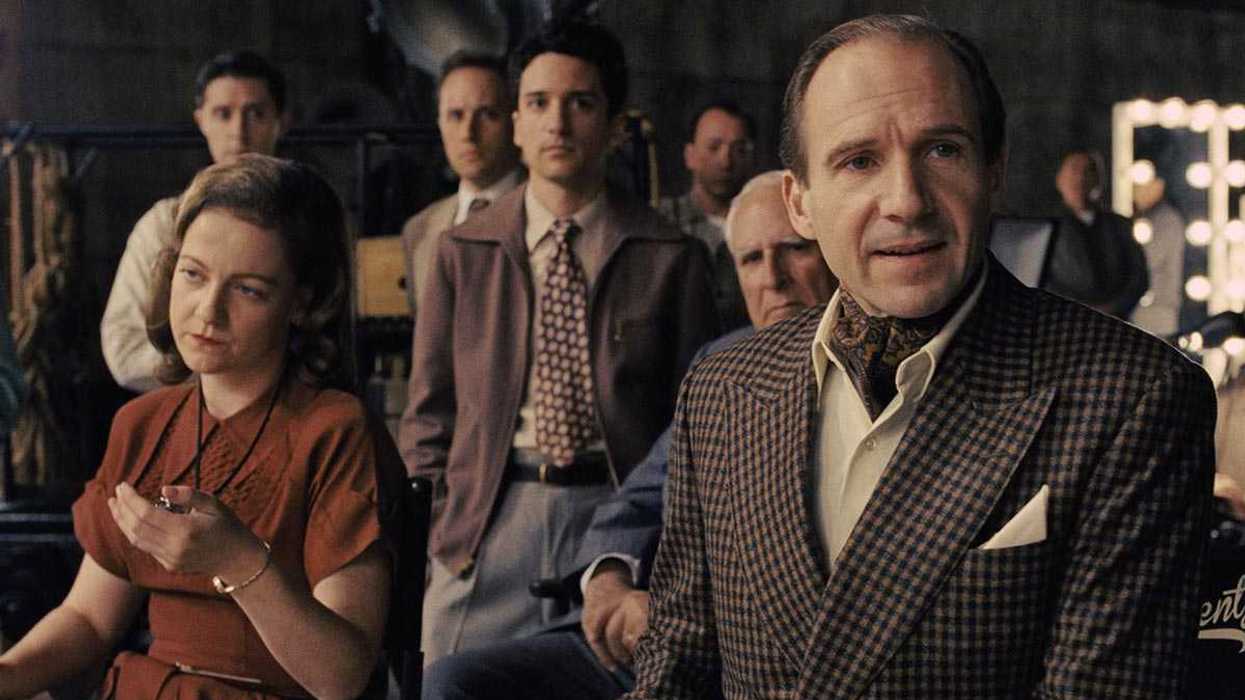
Hail, Caesar!
Cinematographer Hugo Will recently sat down with Peter Rosenfeld, a camera operator who's worked on films like The Social Network, Gone Girl, and Chicago for directors like David Fincher and Oliver Stone.
In their conversation for CinePro Film School, Rosenfeld addressed a problem that consistently trips up operators.
Is your body blocking an actor's eyeline? What can you do about it?
Imagine you're shooting a conversation, positioned camera-left to stay close to your actor's sightline. Then you swing around for the reverse angle, and suddenly you're standing exactly where your actor needs to look. You’re super in the way.
Check out their conversation.
- YouTube www.youtube.com
It’s Important to Prep
Rosenfeld points to prep as the big fix. When he gets prep days at a rental house, he works with his assistants to establish every eyepiece configuration he'll need during the shoot.
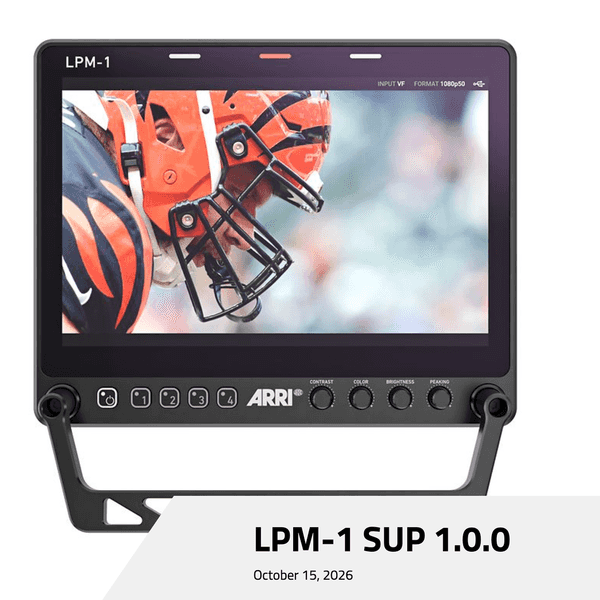
That includes standard positions for handheld and dolly work, as well as setups that allow him to relocate the electronic viewfinder to the opposite side of the camera.
This advance planning creates options when blocking creates conflicts. If he needs to maintain a tight actor look while physically getting out of the way, he can shift the EVF on an articulating arm.
The actor gets their proper sightline. The operator stops being an obstacle.
Technical preparation solves problems before they happen, which saves valuable time on set.
What If Handheld Leaves No Options?
Handheld doesn't offer many choices for your viewfinder positioning. Your body has to go somewhere, and sometimes that somewhere is precisely where the actor needs to focus.
Rosenfeld suggests placing a piece of tape where the actor's eyeline should land, then position yourself so the off-camera actor hides behind your body. The on-camera performer looks at the tape rather than at the people.
It's not perfect, but it resolves the spatial impossibility when you physically can't move with a camera on your shoulder.
Summing Up
Rosenfeld has spent decades working with demanding directors who expect operators to handle these technical challenges invisibly so they can focus on other things.
If you're just getting started, you should learn more about eyelines. Directors like Jonathan Demme have used eyeline placement to establish power dynamics, while cinematographers like James Laxton position cameras near actors' eyelines to create intimacy in films like Moonlight.
If you're looking to strengthen your foundation as an operator or cinematographer, check out our guides on how cinematographers should prepare for shoots, essential tips on avoiding common composition mistakes, and when to intentionally break the 180-degree rule for creative effect.
And if you've got creative ways for staying out of actors' eyelines, send them our way!
- How to Use Lighting to Make Actors Look Older or Younger [Video] ›
- 8 Camera Moves That Will Help You Tell Better Visual Stories ›
- How 'Moonlight' Uses Cinematography to Wreck Us Emotionally ›
- A Lesson from Lecter: How to Establish Dominance by Using Eyelines & Framing ›
- Where Should Your Actor Look? Eyelines, Explained | No Film School ›