With SXSW celebrating the 33rd edition of the SXSW Film & TV Festival in Austin, Texas, we’ve once again put the word out to filmmakers to learn which cameras they used to shoot their selected film and television projects.
As we’ve seen in past years, some familiar names remain the top choices for larger narrative projects and features, with the ARRI ALEXA 35 among the most popular. However, filmmakers are also continuing to explore a wider range of tools—from Canon, Sony, and Blackmagic Design cameras to, yes, even Apple iPhone devices.
So, without further ado, let’s hear from the filmmakers themselves as we highlight some of the most interesting responses from this year’s SXSW camera survey.
THE PIRATE KING (Narrative Feature)
'The Pirate King'
Courtesy of SXSW
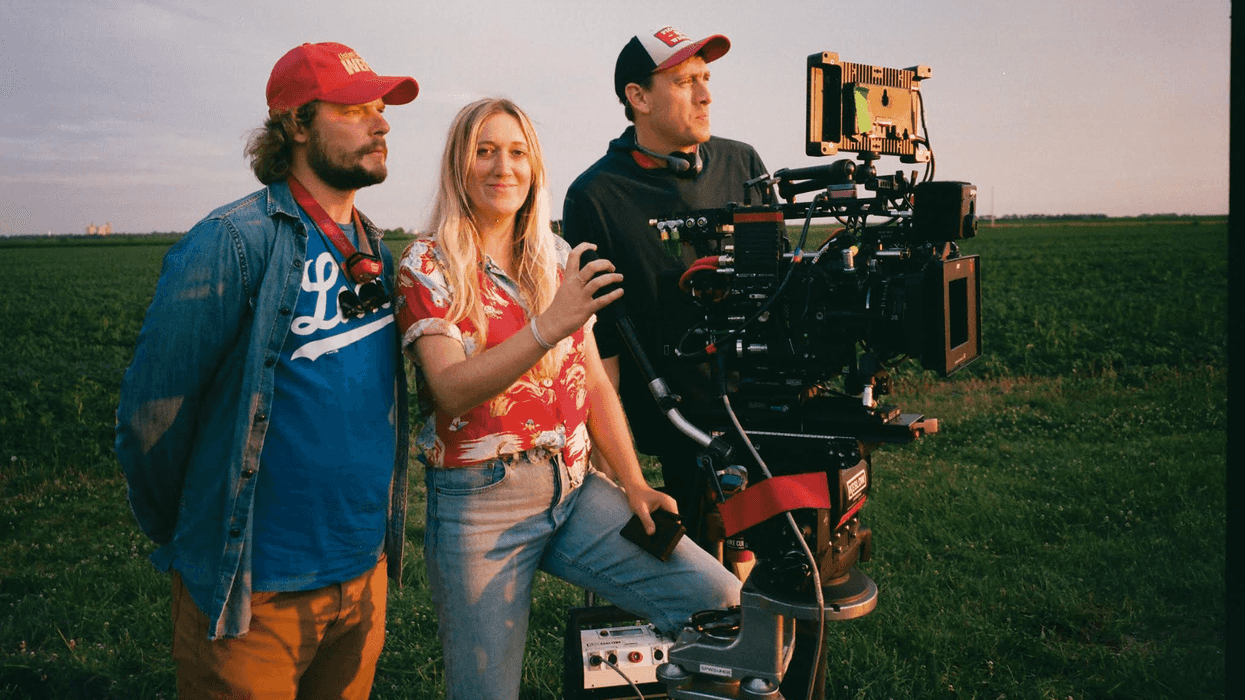
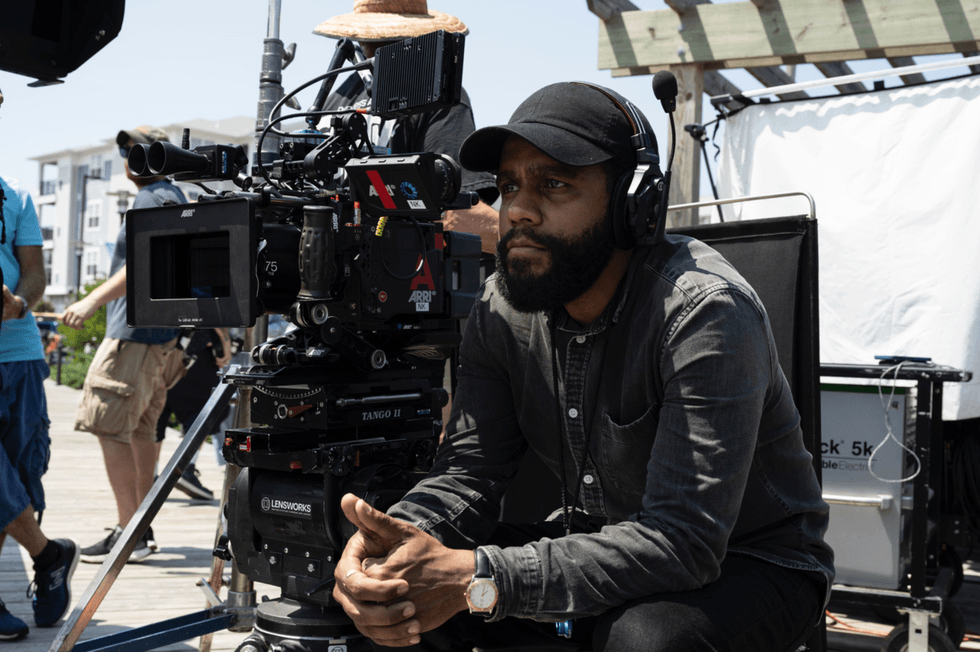
Camera(s) used: We photographed the film on the ARRI ALEXA 35 with the built-in Nostalgia Texture, capturing 4.6K ARRIRAW through 1.8x Legacy Anamorphic lenses by Lensworks.
Reason why: The Alexa 35 felt like the natural foundation for the film. Its dynamic range and color science are well documented, but what matters to me is how faithfully it receives light. I like to develop the look of the film in-camera as much as possible. To me, the camera is a surface where light can be shaped rather than corrected later, and the Alexa 35 remains the most precise instrument I know for that kind of work. The wonderful folks at Pine Bay Pictures fully supported us by buying two Alexa 35s, which allowed us to spend prep exploring texture and running as many tests as we needed until the image felt right. That process led us to the Legacy 1.8x anamorphic lenses. They offered a rare combination of qualities that felt right for this world. I wanted character, distortion, falloff, expressive flares; all to emphasize the main character’s loneliness and to echo the theatrical spirit of the pirate reenactments. Their compact size and close focus also allowed us to remain nimble inside of our hero’s sailboat and stay close to the actors without resorting to diopters.
- DP John Rosario, Director/Co-Writer Josh Plasse, Producer/Co-Writer Brev Moss, and Executive Producer Nidal Kahl (Pine Bay Pictures)
A NEW INFERNO (Documentary Short)
'A New Inferno'
Courtesy of 'A New Inferno'
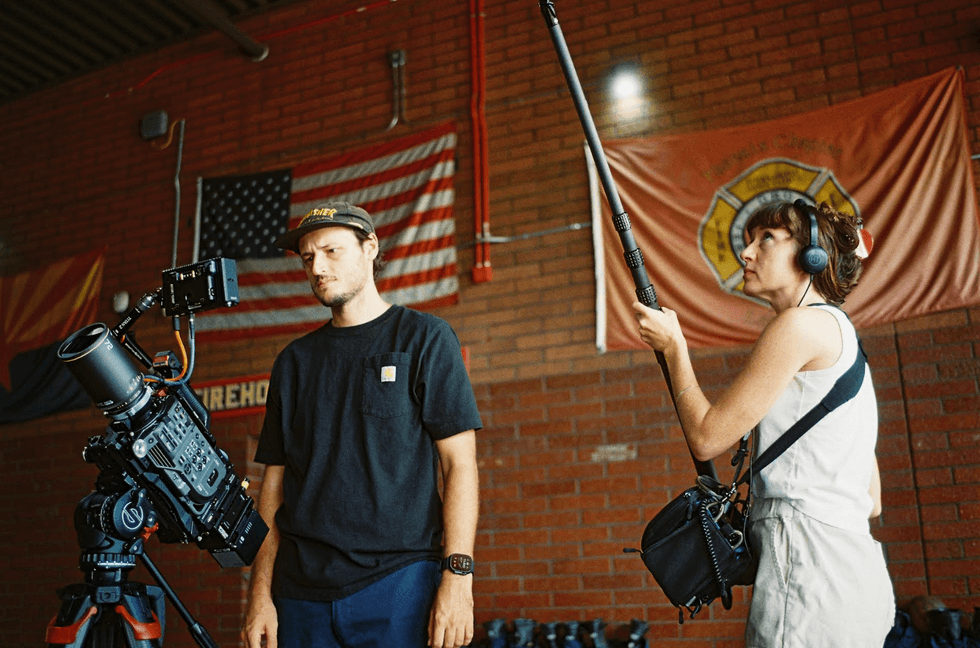
Camera(s) used: Sony FX9
Reason why: We used the Sony FX9 as our A-cam, filming a majority of our verité with it. Ease of solo operating + reliability were our main two considerations — we shot during the hottest days of Phoenix’s summer heatwave, so we needed something that’d have low risk of overheating, even on 117° days. We also wanted to capture the intensity of our firefighters responding to emergency calls in real-time — to that end, we mounted Sony FX3s to the fire truck for a variety of high-speed driving shots as they raced to the scene. Ryan brought on his set of Atlas Mercury anamorphic lenses. For a verité doc, we were excited by the idea of anamorphics elevating the visual language and imbuing the footage with heightened intensity / urgency.
- Jonathan Picket
ERUCTATION (Documentary Short)
'Eructation'
Courtesy of 'Eructation'
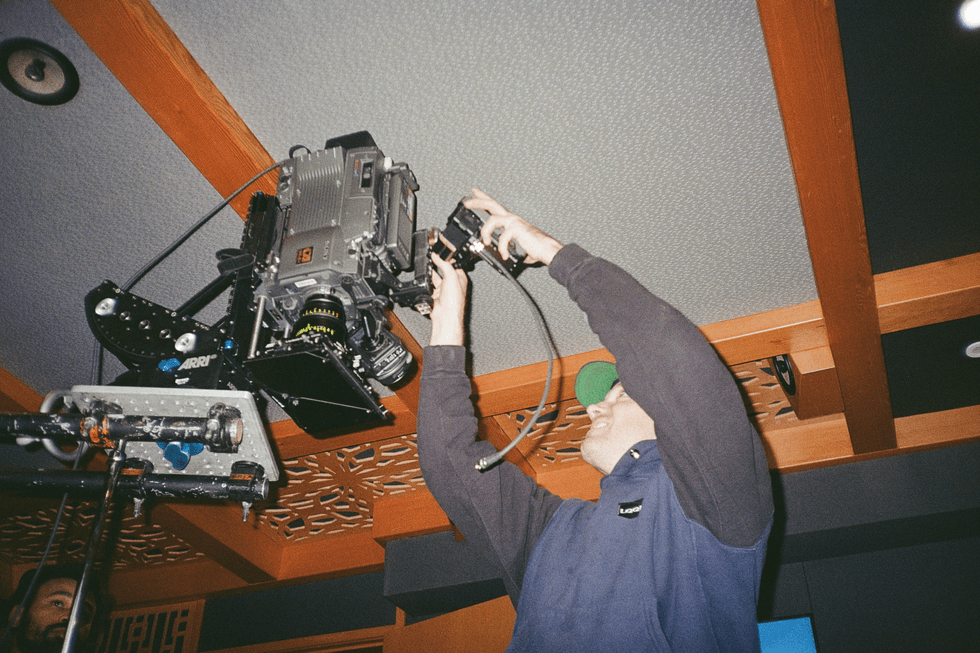
Camera(s) used: Sony 9000
Reason why: Our DP Max Henderson had bought a refurbished Sony 9000 with a B4 mount, and PL mount option, on eBay, and was waiting for the right project to try it out. When he showed me the camera in his office, he caveated with "I don't know if it'll work." So, of course I said yes. We shot our doc ERUCTATION during Portland winter, and the subject Kaylee has a 70s, retro vibe to her wardrobe and apartment, so I wanted to create a palette which leaned into the woods, reds, greens, and golds. We thought the Sony 9000 would bring that out nicely, which it really did—it added so much texture to the shots, making them feel rich and intimate. Even though it's digital, we recorded on these big tapes that look like VHS. They've been out of production for two-ish decades, so those were refurbished, too. We had the Alexa Mini as back-up on set, and used it for one slow-mo shot, but the Sony 9000 worked like magic.
- Victoria Trow
And Her Body Was Never Found (Narrative Feature)
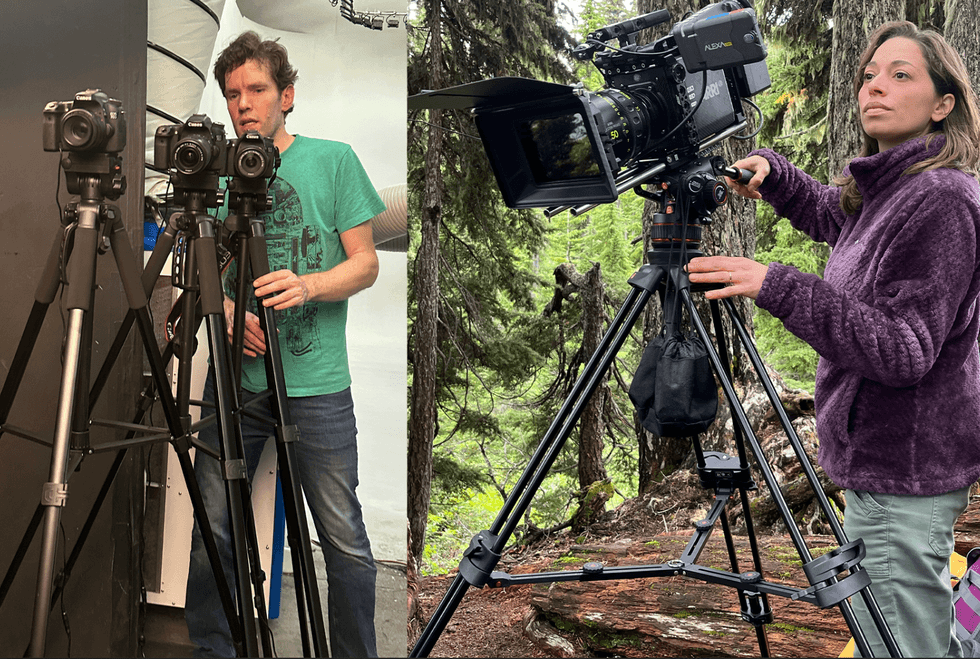
'And Her Body Was Never Found'
Courtesy of 'And Her Body Was Never Found'
Camera(s) used: Arri Alexa Mini, iPhone, Canon EOS 70D
Reason why: This movie was made mostly by just two people. My wife and I served as both cast and crew, and most or our locations required hours of hiking to get to. So the normal expectation would be to make this as easy on ourselves as possible, but we did the opposite. We went threesies on buying a used Alexa Mini with my brother and rented a three lens set of Master Primes. Those added with the gimbal, batteries, sound, and tripod made for a punishingly heavy pair of backpacks, but we wanted to push what a team of two could accomplish. Plus if you're limited to only locked off two shots and moving singles with no focus pulling, you want a lens/camera combo that looks fantastic just sitting on a tripod pointing at whatever. The quality images help the audience forget the film's limitations and accept what they're watching as a "real" movie.
Halfway through the story, the characters switch to recording each other with iPhones, which was a dream to shoot after lugging around all that gear and being pinned to strict marks. The iPhones never lost focus or captured unusable sound. We could literally forget about anything technical and just play in the scenes, whipping around the phones as an extension of our performances.
For the end interview, we rented five Canon 70Ds off ShareGrid to mimic the look of modern YouTube entertainment content. We again didn't have a crew. So I ran around cutting all five cameras and re-rolling between takes, but it was worth it for the convenience of all that simultaneous coverage. When shooting single cam, your best acting is often frustratingly off screen while feeding lines to your scene partner, but this time every good delivery made it into the film.
- Polaris Banks
THE SNAKE (Narrative Feature)
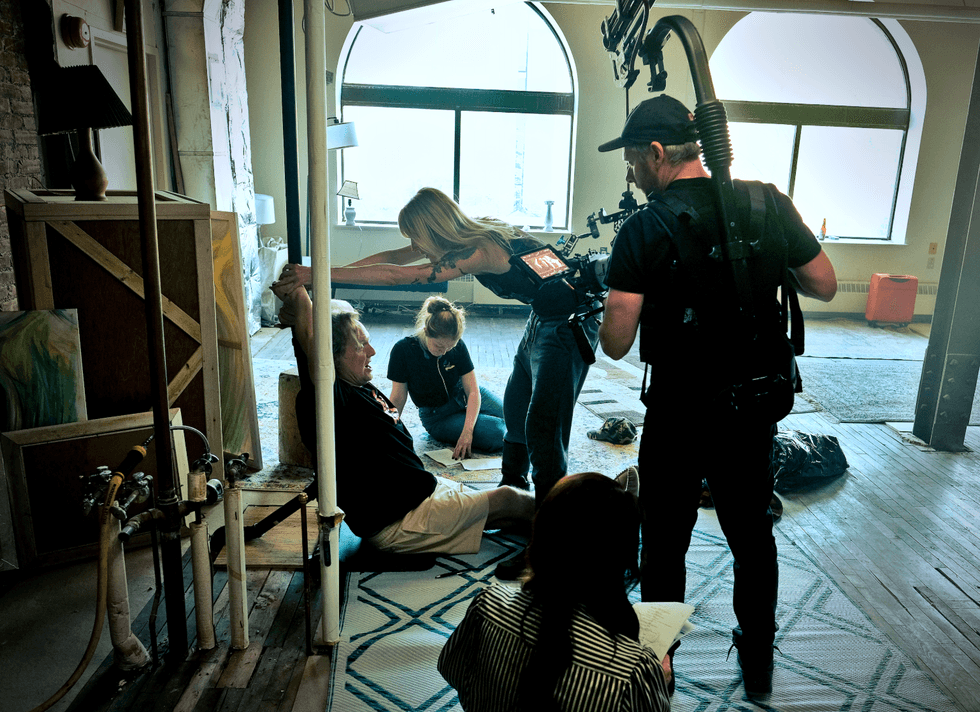
'The Snake'
Courtesy of 'The Snake'
Camera(s) used: Arri Alexa 35
Reason why: To shoot The Snake, we choose an Alexa 35 for the common reasons; incredible dynamic range, flexible sensitivity and proven reliability. I wanted to monitor an image on set that would be as close as possible to the final look of the film. We used one of the image textures built into the Alexa 35 to allow us to see some grit in real time. My friend, Scott Thorne, made a custom monitor LUT for the project which brought down exposure overall by -1 stop in order to trick me into slightly overexposing the LOG. This allowed us to view a darker image on set with the knowledge that we would have lots of shadow detail if we wanted to pull anything out of the murk during the grade. Despite the overexposed LOG I rarely worried about losing highlight detail because of the 35’s astounding dynamic range.
- Kevin A. Fraser, cinematographer
THE DADS (Documentary Feature)
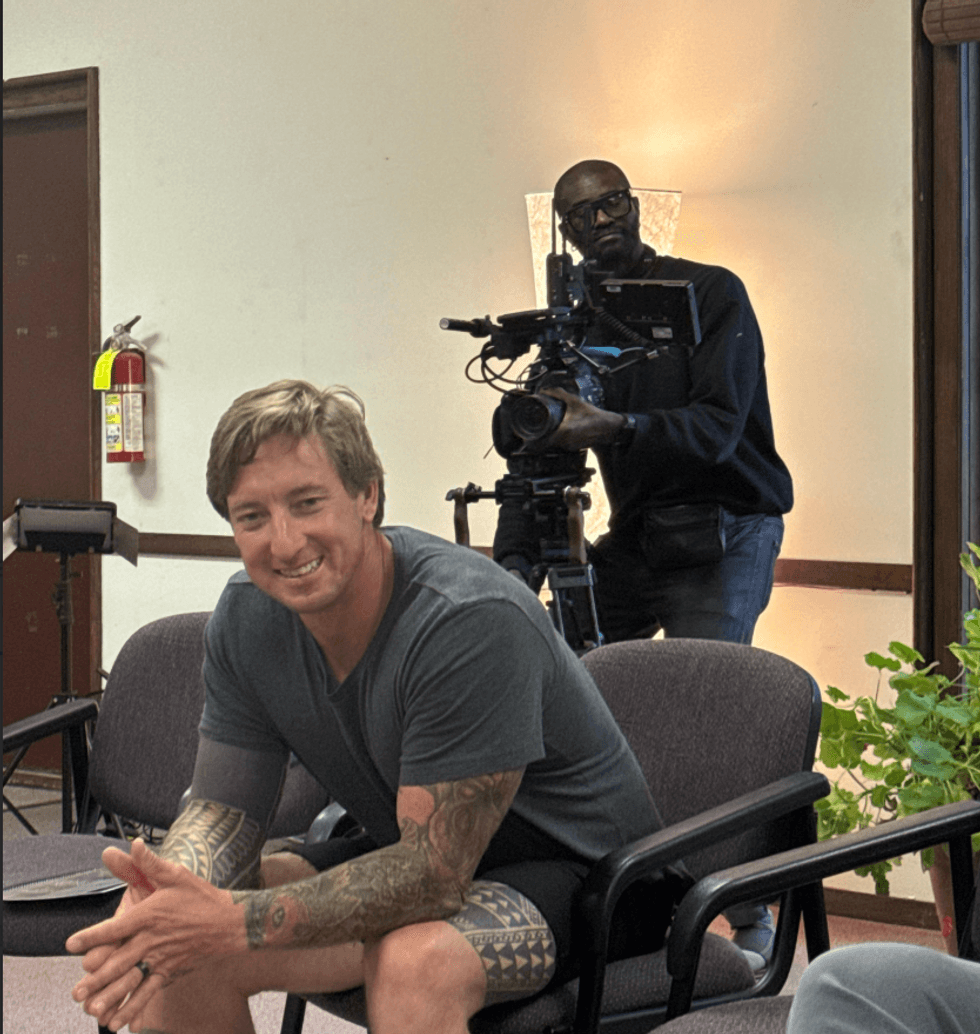
'The Dads'
Courtesy of 'The Dads'
Camera(s) used: Sony FS7, Canon C300
Reason why: The DP owns a Canon and started shooting with it, so we mostly shot with that. But because we were filming in multiple locations with local cinematographers, we sometimes used the Sony FS7, which a number of the cinematographers owned.
-Luchina Fisher
SUMMER 2000: THE X-CETRA STORY (Documentary Feature)
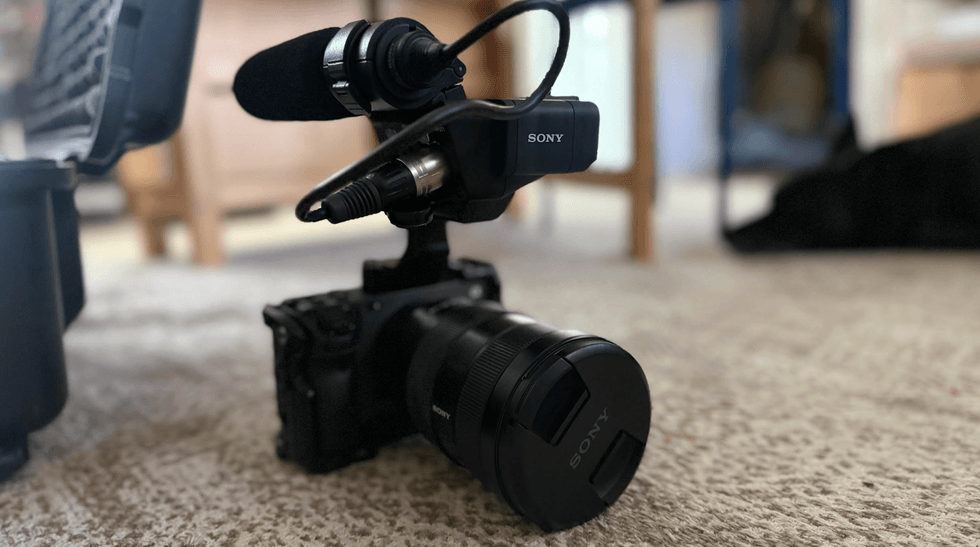
'Summer 2000: The X-Cetra Story'
Courtesy of 'Summer 2000: The X-Cetra Story'
Camera(s) used: Sony FX3 and various old handicams
Reason why: We chose to use the Sony FX3 camera for its quality and versatility. At the same time, we incorporated various old handicams to lean into the nostalgia of the early 2000s and capture the look and texture of that era. Combining the two allowed us to evoke that homemade, Y2K feel while still maintaining the flexibility and visual quality of a modern cinema camera.
NORMAL (Narrative Feature)
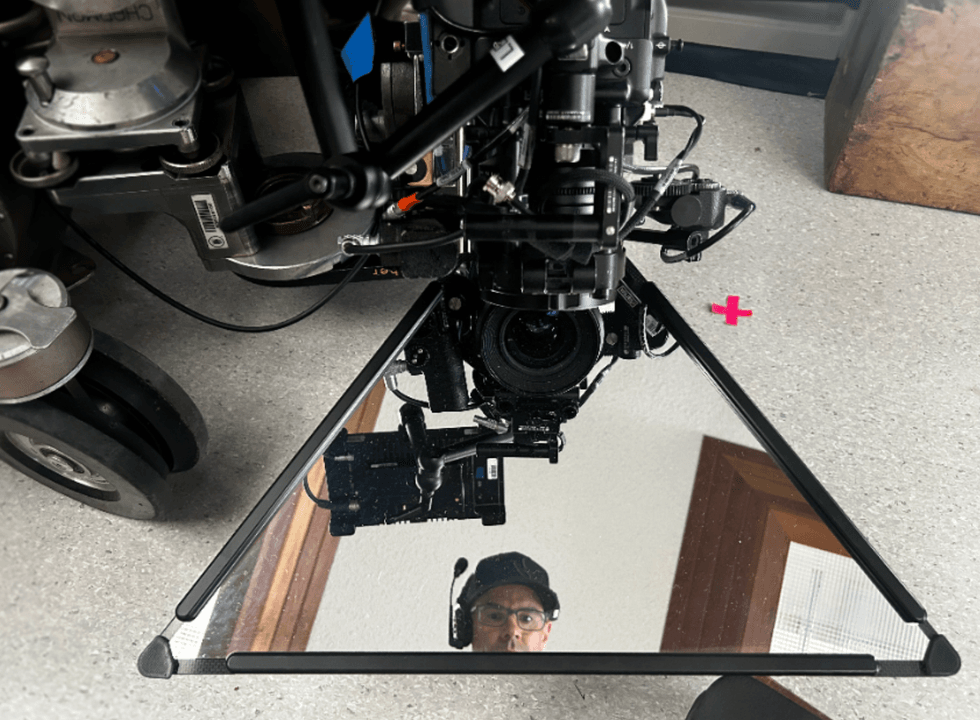
'Normal'
Courtesy of 'Normal'
Camera(s) used: Raptor XL [X]
Reason why: We chose the Raptor XL [X] paired with Tribe 7 primes and Arri Signature Zooms. The camera has many incredible features but the deciding factor was the global shutter. The majority of the action takes place during a blizzard which meant flashing lights from police cruisers and the many hundreds of muzzle flashes were going to illuminate the haze and snow. Broken frames from a rolling shutter camera would have been aesthetically undesirable and hugely expensive to fix. We rigorously tested the camera for these conditions as well as low light sensitivity and color rendition with mixed skin tones. My advice to up-and-coming filmmakers is to test everything you can. Seeing the results helps clarify your approach without the chaos and pressure of the shoot day.
-DP Armando Salas, ASC
KILL ME (Narrative Feature)
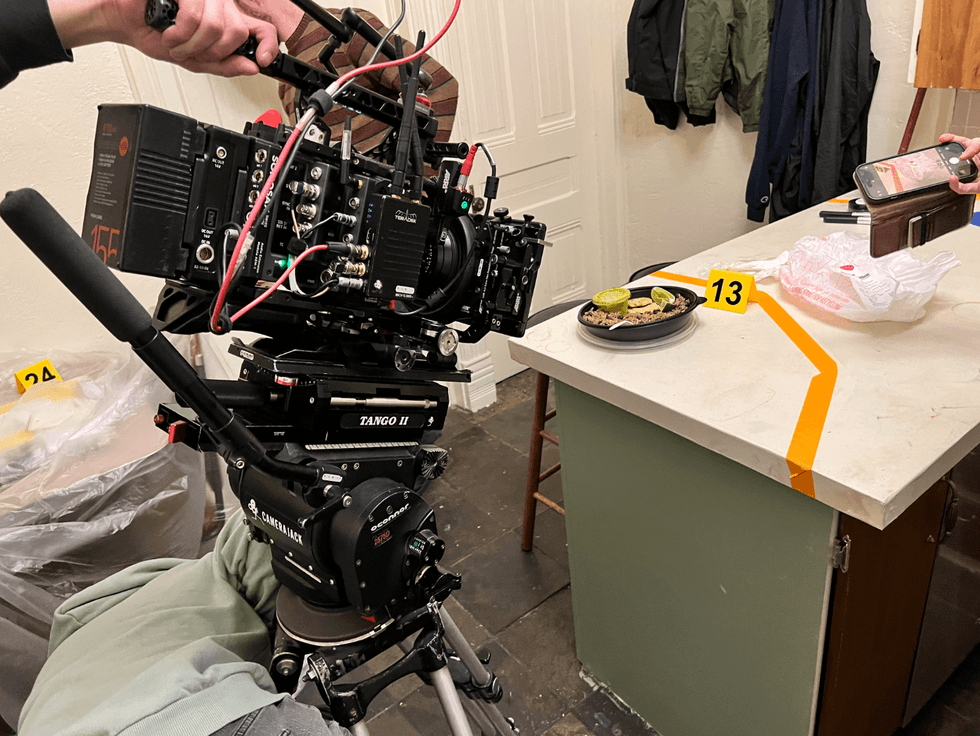
'Kill Me'
Courtesy of 'Kill Me'
Camera(s) used: Alexa 35
Reason why: My cinematographer, Conor Murphy, felt it was the best way to get the look I was after, which played with a lot of deep shadows and high contrast. I trust Conor implicitly, if he wanted to shoot on a T-Mobile Sidekick I would have done it.
- Peter Warren, director
ERUPCJA (Narrative Feature)
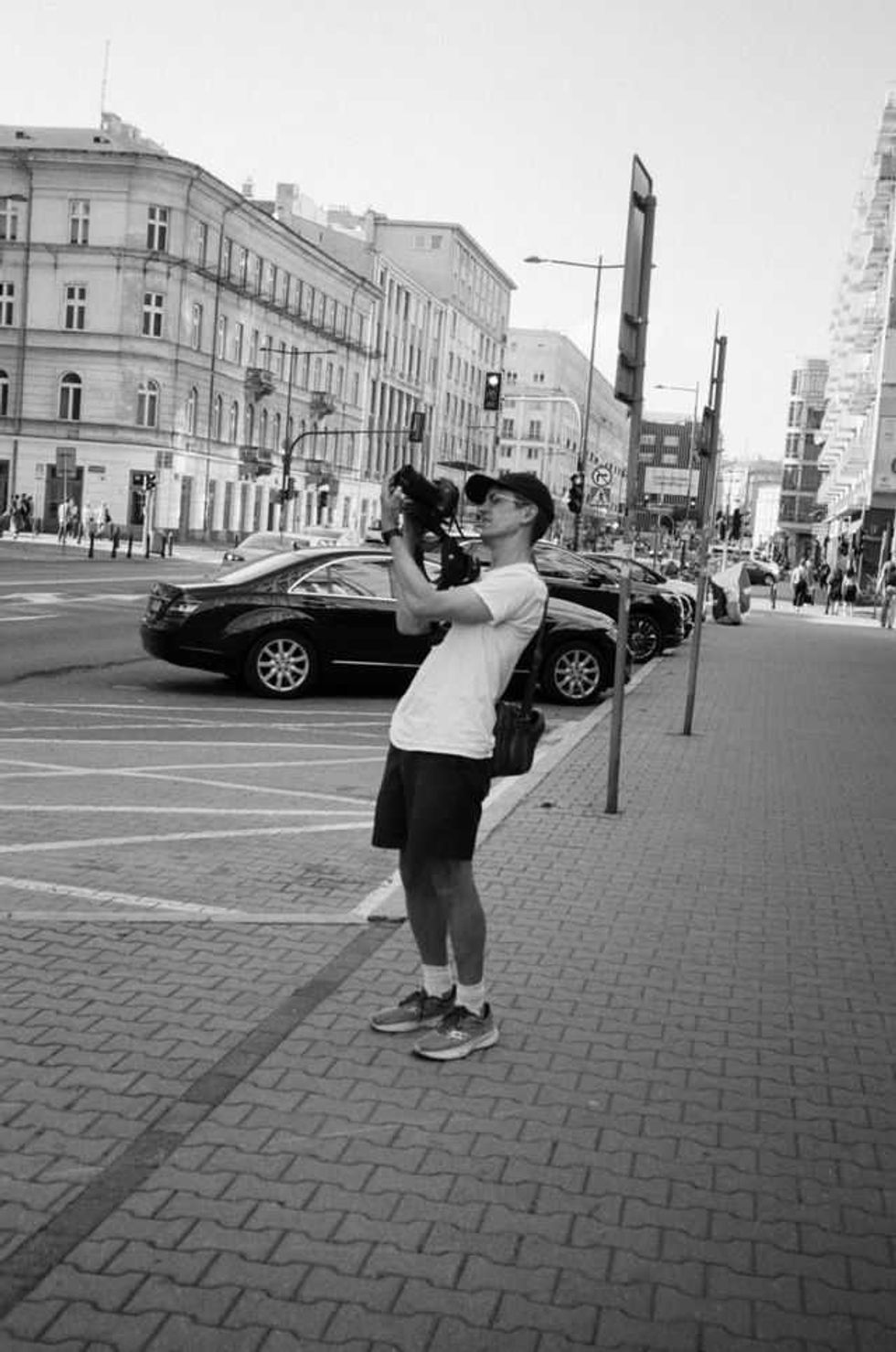
'ERUPCJA'
Credit: Jesse Reed; courtesy of 1-2 Special
Camera(s) used: Canon 5D Mark III with the Magic Lantern Raw Hack
Reason why: This is the 6th feature I've shot on this camera. It's got a bunch of dead pixels but I own it and I like it.
-Pete Ohs, director
MY NDA (Documentary Feature)
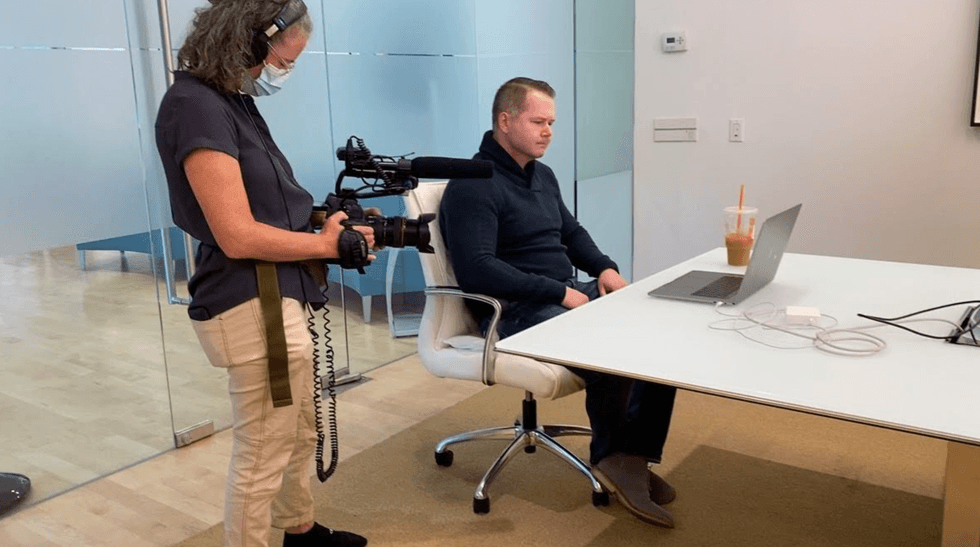
'My NDA'
Courtesy of 'My NDA'
Camera(s) used: Canon C70
Reason why: My NDA is a character-based observational documentary. I chose the Canon C70 because it's compact and lightweight and can record great audio. I often work as a crew of one, recording picture and sound myself, handheld. The other cinematographers (Hanna Gray Organschi, Adria Malcolm, Stephanie Rose Figgins, Clare Major, Shelli Witt, and Shaandiin Tome) also used cameras that are well suited for handheld, vérité shooting as a crew of one. In a few cases, we collaborated with a sound recordist, usually when there were more than two people being filmed. In addition, Hanna shot on her iPhone - jumping at an impromptu opportunity to capture the exact moment that Ifeoma Ozoma broke her NDA. Ashley Kostial also used an iPhone to record her video diaries, which are a critical element of the film.
- Juliane Dressner, Director/Producer/Director of Photography/Sound Recorder
TIME AND WATER (Documentary Feature)
'Time and Water'
Courtesy of 'Time and Water'
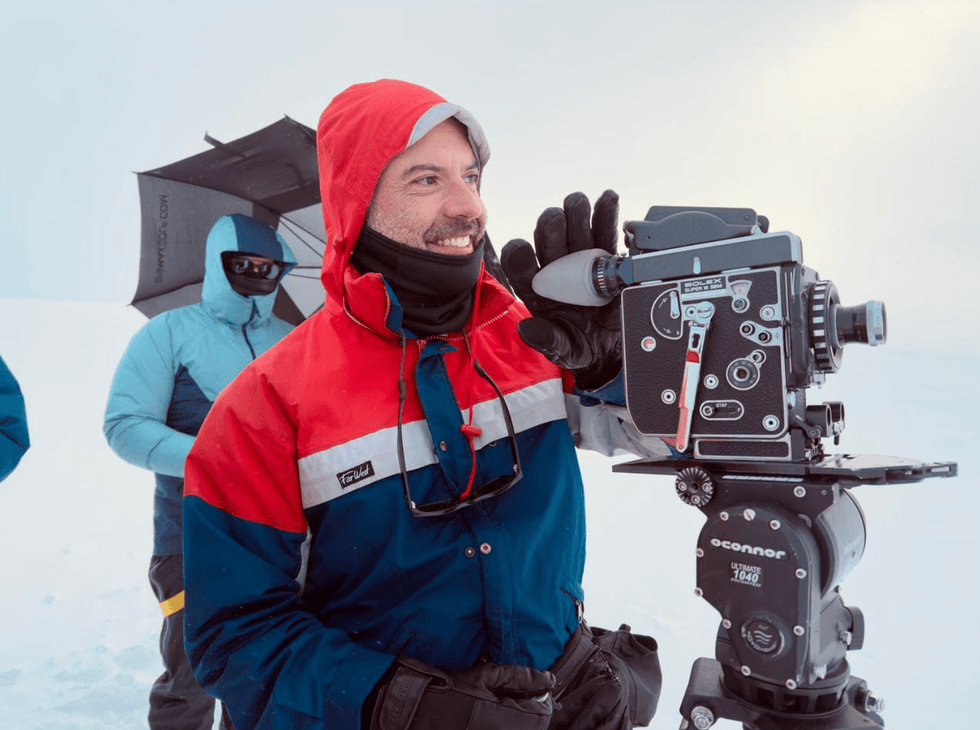
Camera(s) used: LEXA Mini, Bolex SBM S16 (Kodak 50D Vision 3 stock), Panasonic HVX200 (recording DVCPro), Iphone
Reason why: For “Time and Water,” we chose to shoot digital and film. The digital camera was the Arri Alexa Mini as we wanted a robust camera with a very organic feel and a high tolerance to highlights, as we were mainly shooting on glaciers with a very high dynamic range. Alongside digital, we shot with a Bolex SBM Super16, a hand-wound camera, with the intention to settle down in each location and make the cinematographic process intentional, slow, and considerate of the surroundings. Having a hand-wound camera allowed us to not worry about batteries and instead spend long periods of time feeling each place, connecting to its rhythms and essence. The film comprises archives from a wide range of times, so our bolex footage was not meant to replace or create archives that don’t exist but instead meant to prompt the experience of both memory and myth, which are key themes in the film. As a format strongly associated with a specific historic era, this choice was a gesture towards the idea that we live in times within times; the past is always present, and the future is within our reach.
For the film, we mainly used the Canon 8-64 lens for both cameras. We wanted to have an expressive image rich in character and the 8-64 doesn’t hide itself, adding aberrations to the image that resonate with the aberrations in time and memory, which are the film’s intention. Besides the Canon zoom, we shot with a Switar Poe 16-100 and Switar Primes – 10mm, 15mm and 25mm for the Bolex. These lenses created a nice aesthetic bridge between the 16mm archives and our current material. Besides the Mini and Bolex we also used a Panasonic HVX-200 recording DVC Pro on the p2 cards, and Andri used an iPhone for his personal material.
- director of photography Pablo Álvarez-Mesa
IMAGO (Narrative Short)
'Imago'
Courtesy of 'Imago'
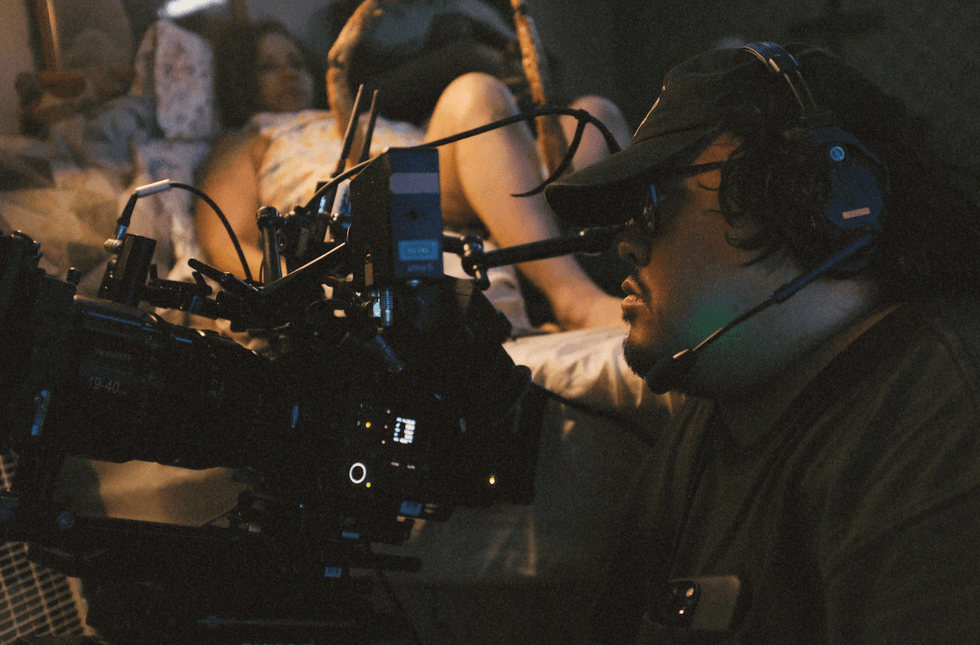
Camera(s) used: Sony Venice 2 8K
Reason why: Imago was shot exclusively on the 3200 ISO base on the Venice 2 which allows for a smaller footprint on set in terms of the amount of units we need for lighting, which is really beneficial when you’re working in small interiors on location. With such a sensitive camera, we would first set the ambience and then place in a small tungsten fresnel or a litemat to light our characters. Ariel and I are always trying to pull off really technical visual ideas to elevate the scene (fast compound camera moves on dolly/jib, split diopters, camera whips, snap zooms, you name it) so the less time we need to spend on lighting equals the more takes we can get to nail the energy we’re looking for.
- Tu Do, DP on IMAGO
EDIE ARNOLD IS A LOSER (Narrative Feature)
'Edie Arnold is a Loser'
Courtesy of 'Edie Arnold is a Loser'
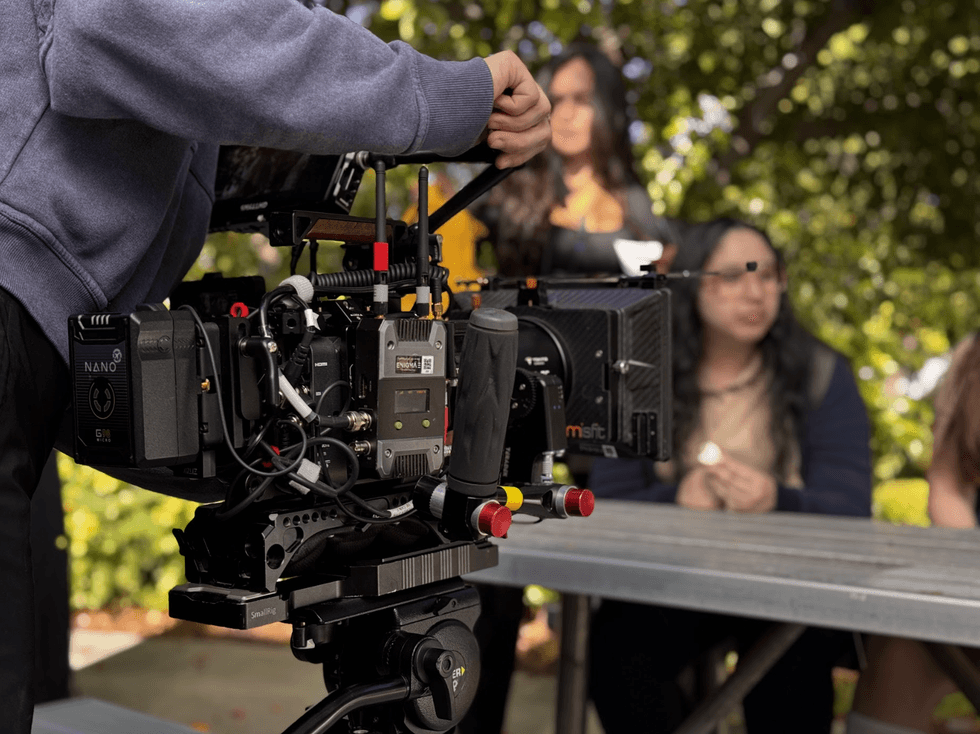
Camera(s) used: Sony FX6
Reason why: Our approach to Edie Arnold's cinematography was a loving embrace of scrappiness and speed. Principal photography was ten days with very limited resources and budget, which meant I sought out a camera that I'd normally bring onto a documentary project - the Sony FX6. Its versatility, featherweight body, and stellar performance in low light (dual ISO till I die!) fit our needs to a T. It was all about moving quickly without sacrificing style or comedic timing, which resulted in directors Kade and Megan and I designing many locked-off, scene-encompassing tableaus for the characters to romp around in, in lieu of relying on traditional coverage, which would've put too much pressure on our already challenging schedule. I think our choreographed wides really shine because of this planning. Some days there was little-to-no camera operating on my end - the directors and I talked more than once about this approach making some shots "painterly".
- Brenna Empey, DP
CHILI FINGER (Narrative Feature)
'Chili Finger'
Courtesy of 'Chili Finger'
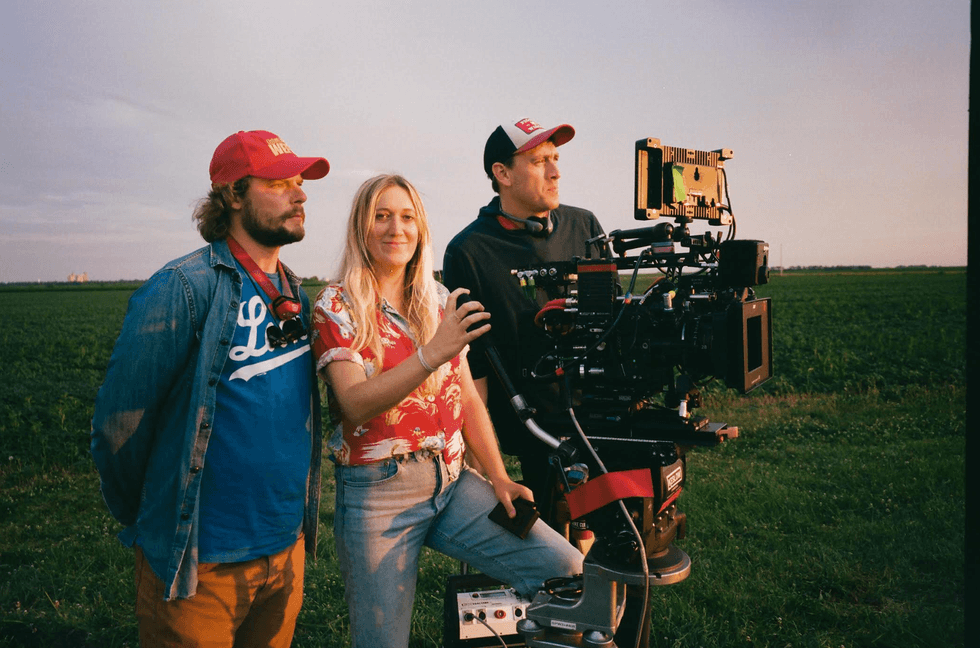
Camera(s) used: Alexa 35
Reason why: It was important to us that the camera feel like a passive observer in our story. We wanted the look of the film to parallel Jess' relationship to her small-town life. We did camera tests with our DP, Cristina Dunlap, and felt the 35 sensor paired with spherical lenses best accomplished those goals. Also our producers said we couldn't shoot on film.
- Edd Benda (Co-Director, Executive Producer) and Stephen Helstad (Co-Director, Writer, Executive Producer)
BEST FRIENDS WITH THE DEVIL (Narrative Short)
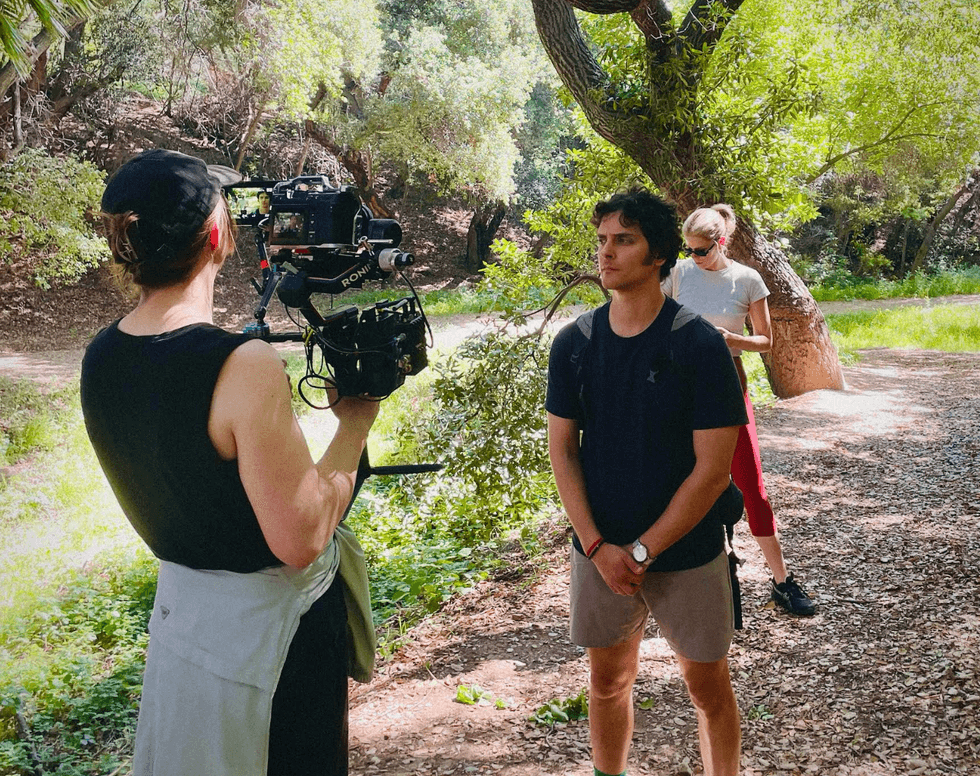
'Best Friends With the Devil'
Courtesy of 'Best Friends With the Devil'
Camera(s) used: Fujifilm GFX 100 II
Reason why: Director Hugo DeSousa and I planned a mix of big sweeping long takes, handheld moments, and looming static wides to both provide a pulse to the edit and to accentuate the tonal shifts in the film. Given that this film takes place over one day into night, we knew we would need to shoot each location chronologically in order to capture the changing light. To do this, and move quickly with a very small team, we opted for two small camera bodies, one setup for tripod and handheld, the other setup for gimbal - so we could ultimately just grab and go. I love the way Fujifilm cameras handle greens and yellows, something that we wanted to lean into as we aimed to envelop our characters in the lush colors of the forest. Further, the GFX 100 II’s small form factor and massive medium format sensor allowed us to use longer focal lengths on wider shots, making the forest feel larger and more daunting.
- Sarah Whelden
CEREMONY (Documentary Feature)
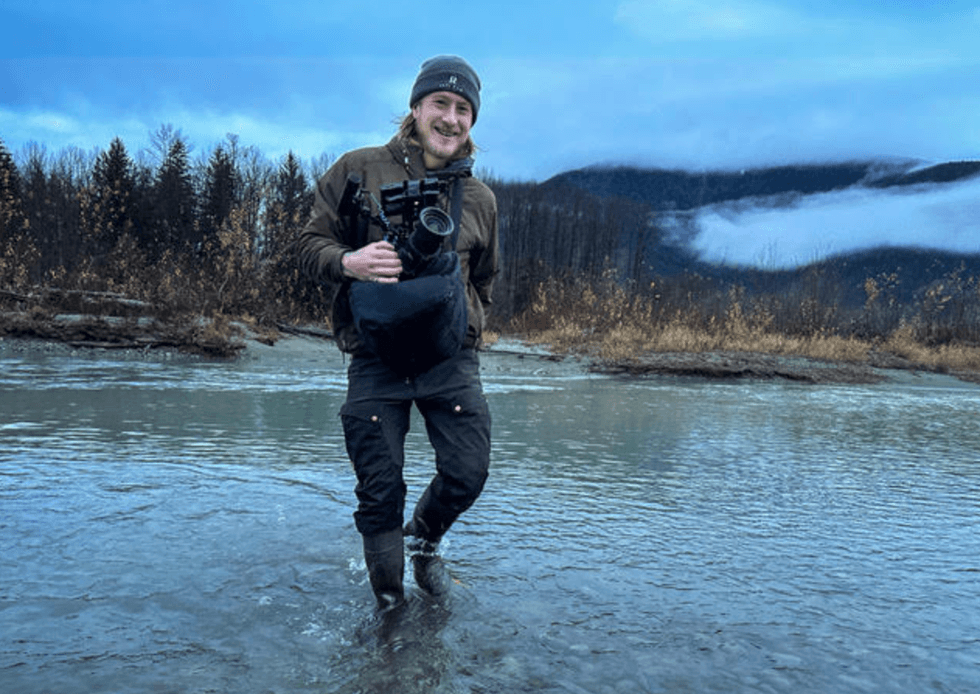
'Ceremony'
Courtesy of 'Ceremony'
Camera(s) used: Z Cam E2-S6 and the Sony FX6
Reason why: The camera choices were largely driven by the equipment owned and regularly used by our main cinematographers, Luke Connor and Jean-Philippe. We were filming in a remote village in Bella Coola, Nuxalkulmc (Nuxalk Territory), so reliability was crucial. Both the Z Cam and Sonys are compact workhorses which is crucial for a documentary that often required flexibility in remote environments and long observational shooting.
- Cinematogrpahers Luke Connor and Jean-Philippe Marquis
SINNER SUPPER CLUB (Narrative Feature)
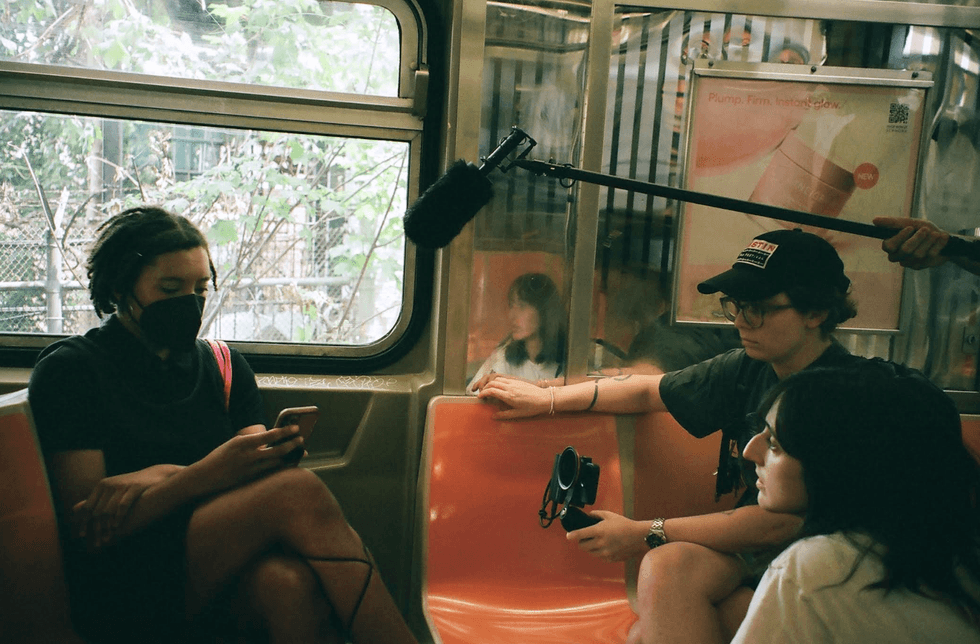
'Sinner Supper Club'
Courtesy of 'Sinner Supper Club'
Camera(s) used: iPhone 15 Pro w/ 19mm moment lens
Reason why: We decided to shoot on an iPhone early in the development of Sinner Supper Club. We needed a cheap, readily available, adventurous camera to experiment with as a team.
The 19mm Moment lens was our way of embracing the camera's everydayness and letting it lead us through our six-day, breakneck shoot. We took the iPhone from the streets of Brooklyn to the waters of Rockaway, always on the move and up close. And we came out on the other side with a film you can feel in your gut.
- Daisy Rosato and Nora Kaye
ADAM’S APPLE
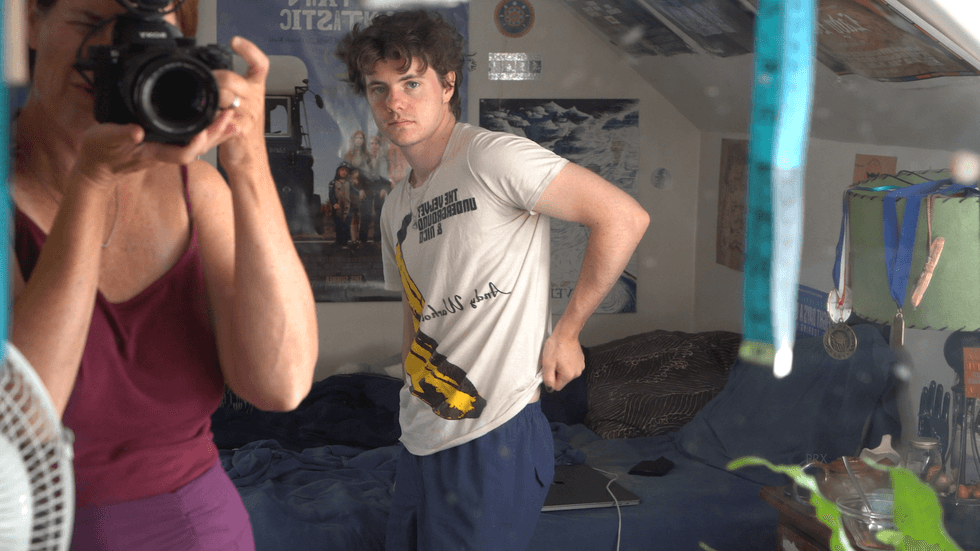
Camera(s) used: Sony Alpha a7S II Mirrorless Digital Camera with a 24-70mm f/4 Lens and a mounted Rode VideoMic
Reason why: Our production for ADAM’S APPLE had very specific needs, namely to be as portable and nimble as possible, and to be able to blend in more like a photographer than a videographer, especially when hanging out with teenagers. Almost all of our filming was hand-held with natural/ambient light in interior spaces. I loved the Sony A7S II for being compact, lightweight, and great in low light, while also being able to capture in 4K. I come from a photography background, so I primarily used the viewfinder and focused manually. This made for great compositions and beautiful, slow focus shifts, but compromised audio.
If I had it to do over again, I’d choose a different mic. The mount on the Rode VideoMic wasn’t the best, and because I was focusing handheld without any additional stabilizing mount, it meant that my hand was near the mic and it sometimes picked up my movements. Hello, hours of audio post-production! However, because of the immediacy and sometimes vulnerability of filming our family and friends on the fly, lav mics were not an option, so in the end, a mounted mic was right for the film.
Adam taught himself how to film, and the Sony FDR-AX43 UHD 4K Handycam Camcorder was excellent for a beginner- it could record in 4K while also having a large LCD, a decent internal mic, smooth autofocus and a compact, portable body.
WOODSTOCKERS
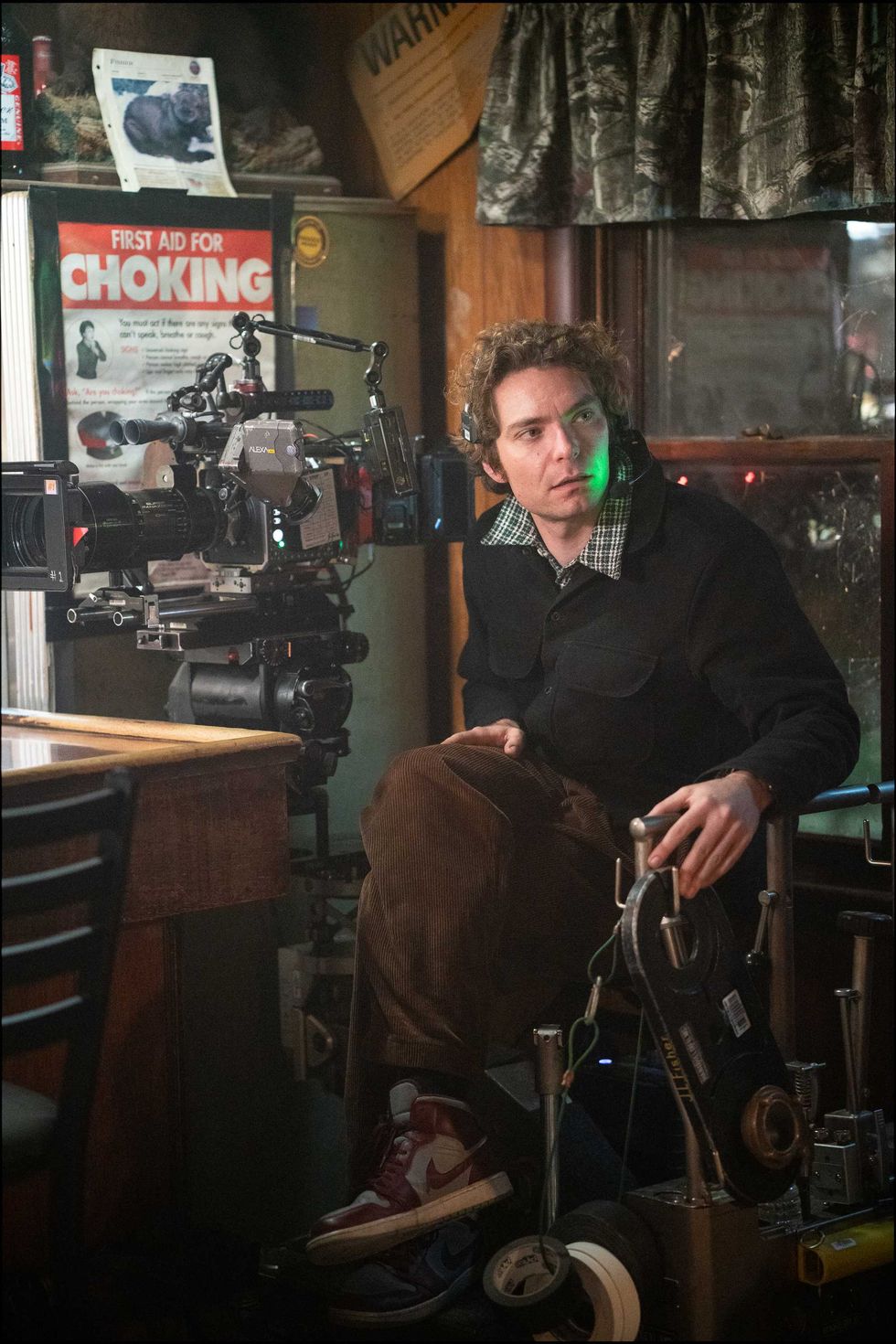
Camera(s) used: Arri Alexa Mini
Reason why: We wanted to emulate a 1970’s film aesthetic but didn’t have the resources or time to shoot 35mm. The Alexa mini is a compact and reliable rig that allowed us to move fast but never sacrifice quality. We could capture very clean images and find this desired “loose” aesthetic by manipulating the lighting and the grade in post.
-Oliver Bernsen
BAGWORM
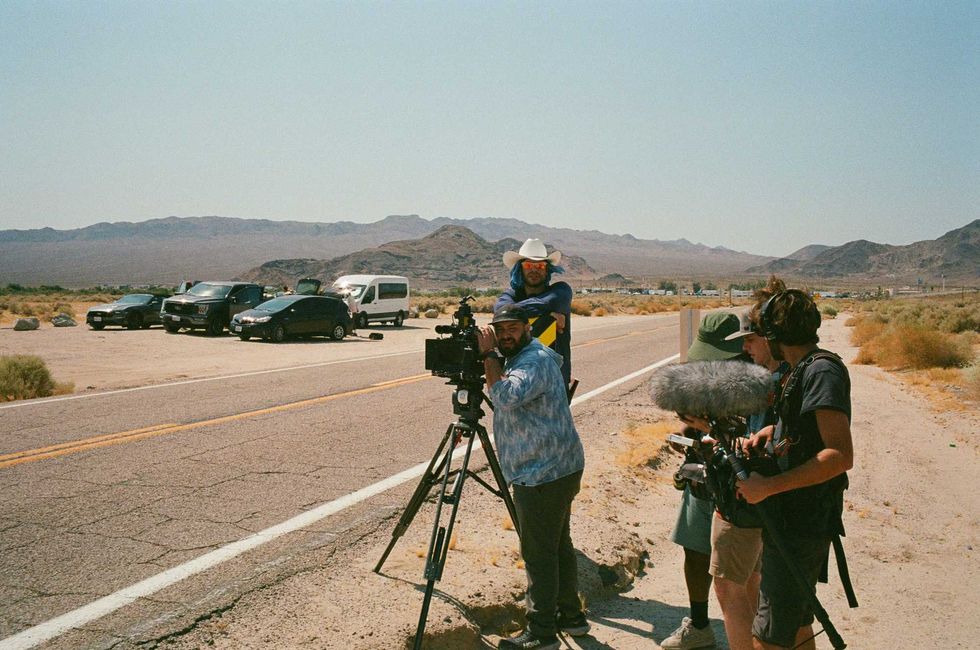
Camera(s) used: Aaton Xtrera
Reason why: Our DP (Adriel Gonzalez) owns it - so it was free.
-Oliver Bernsen
IN MY BLOOD
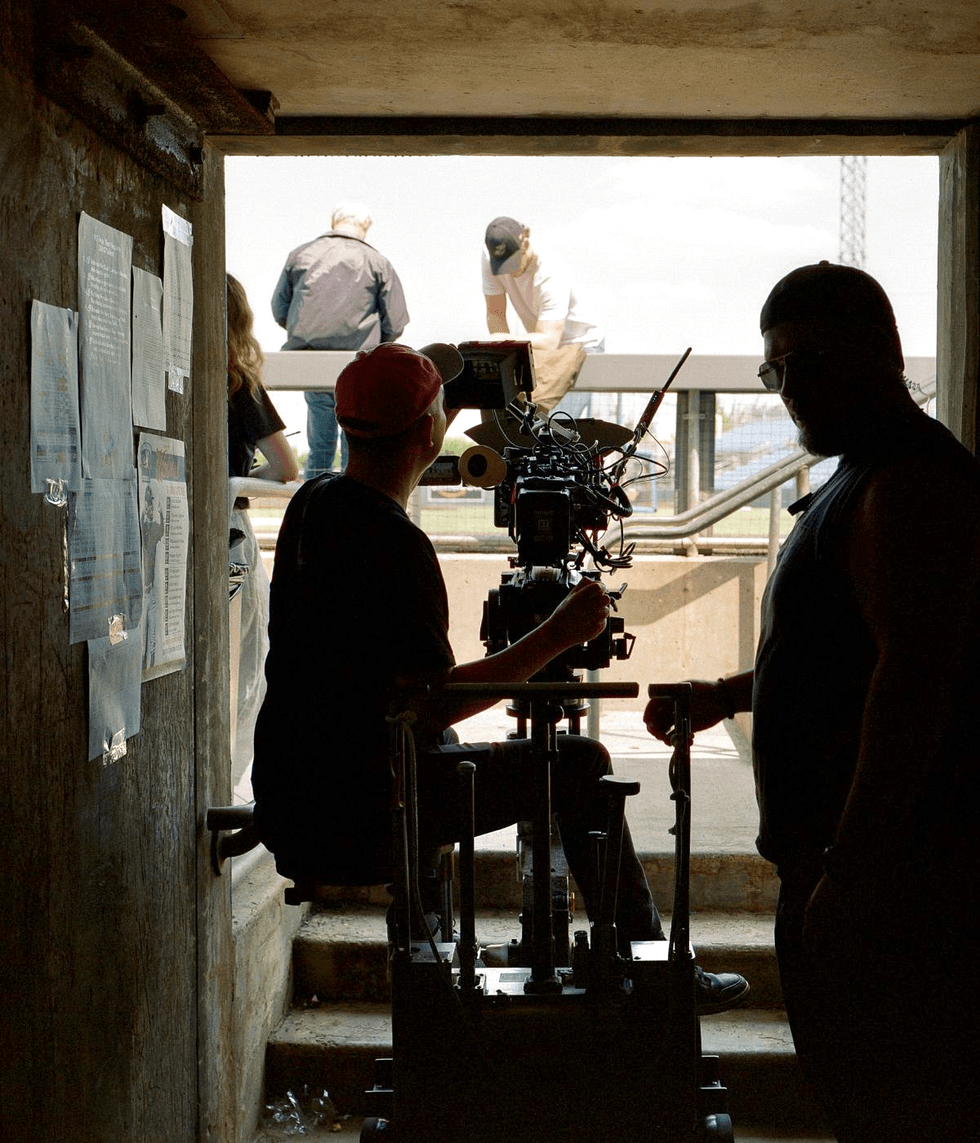
Camera(s) used: ARRI Alexa Mini
Reason why: We chose the Alexa Mini because it renders darkness with subtlety while keeping skin tones natural and highlights gentle. Most of the project was photographed at ISO 800, and for darker moments we rated the camera at 1280 to gain a bit more sensitivity while preserving its natural texture. We paired the camera with Zeiss High Speed Mark I primes, which brought a slight vintage softness that balanced the clean digital image. The compact body of the Mini also allowed us to move easily through the tight interiors we were frequently working in.
SPARKS
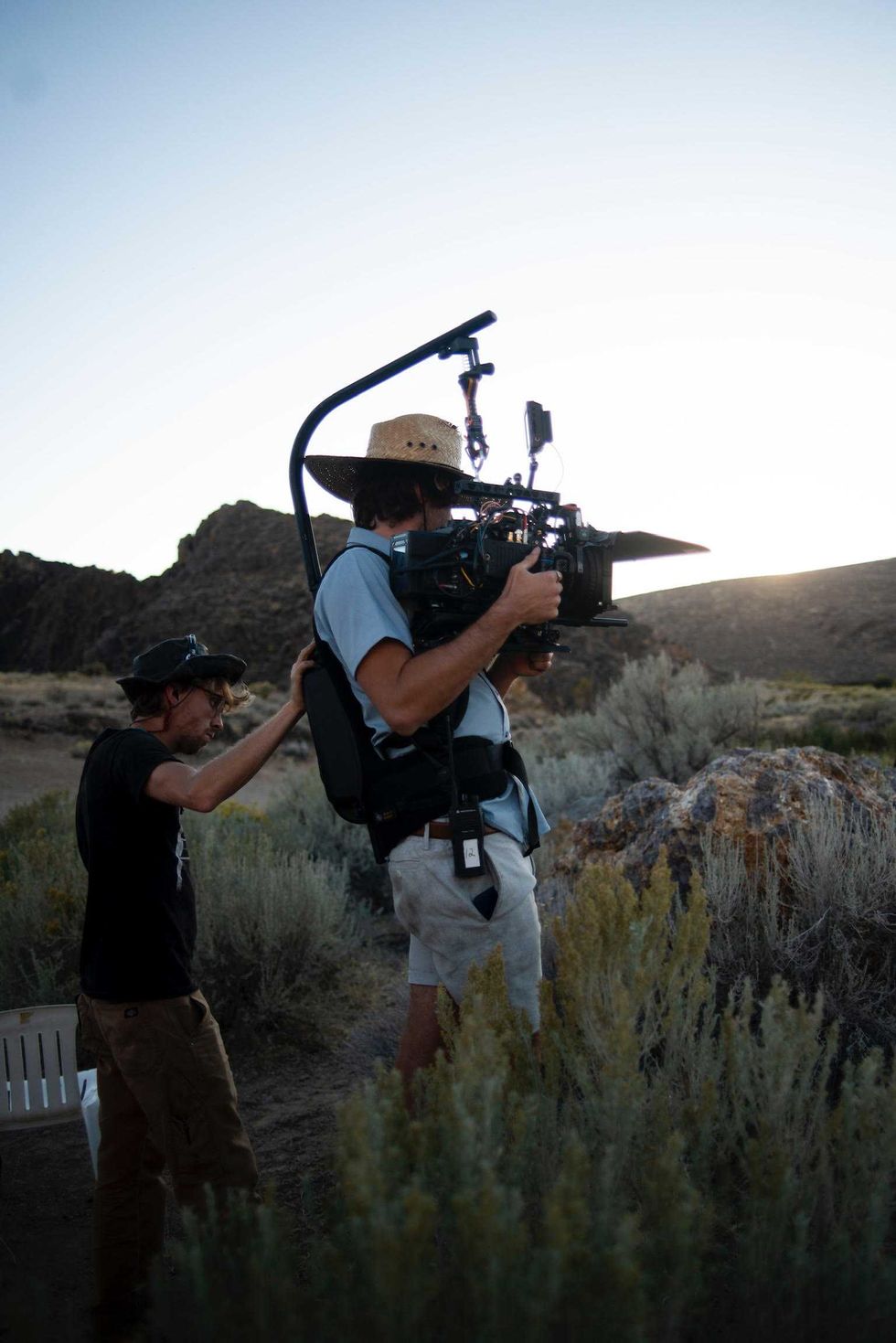
Camera(s) used: Arri Alexa 35, with Super Baltar vintage prime lenses.
Reason why: For a few reasons: its ability to handle highlights in our daytime desert exteriors; its look settings, which allowed us to bake in grain and softness; and its color science, which gave us the leeway in postproduction to emulate film stock. We could also shoot at a higher f-stop for greater depth of field while keeping the softness we wanted, which was core to the Baltar lenses' character.
- Keldon Duane-McGlashan
UGLY CRY
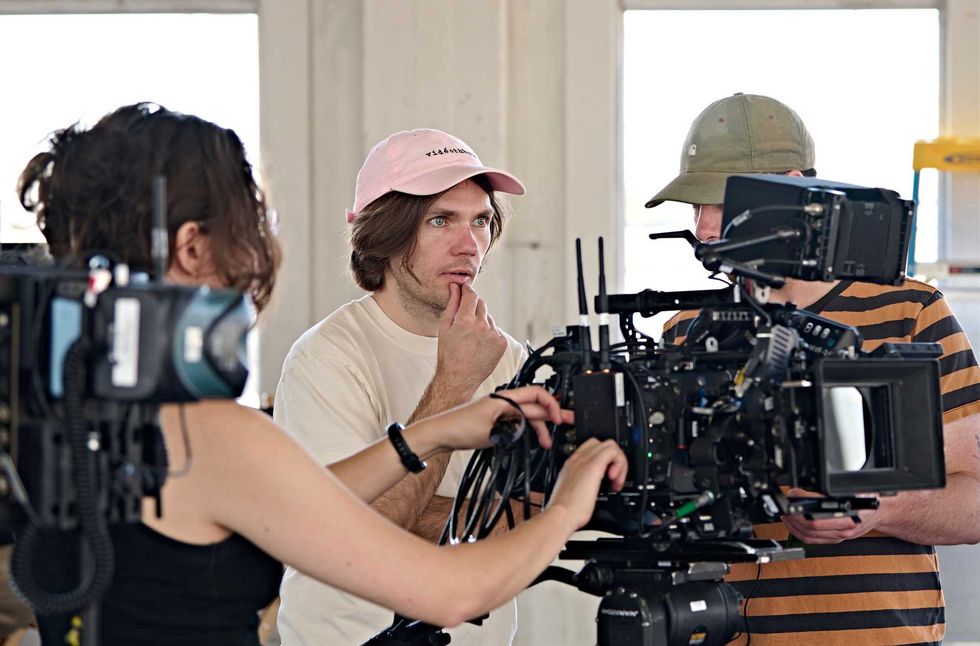
Camera(s) used: Alexa 35
Reason why: Brody S. Anderson, my DP, and I quickly landed on the Alexa 35 for its reliability and flexibility.
-Emily Robinson
ANIMA
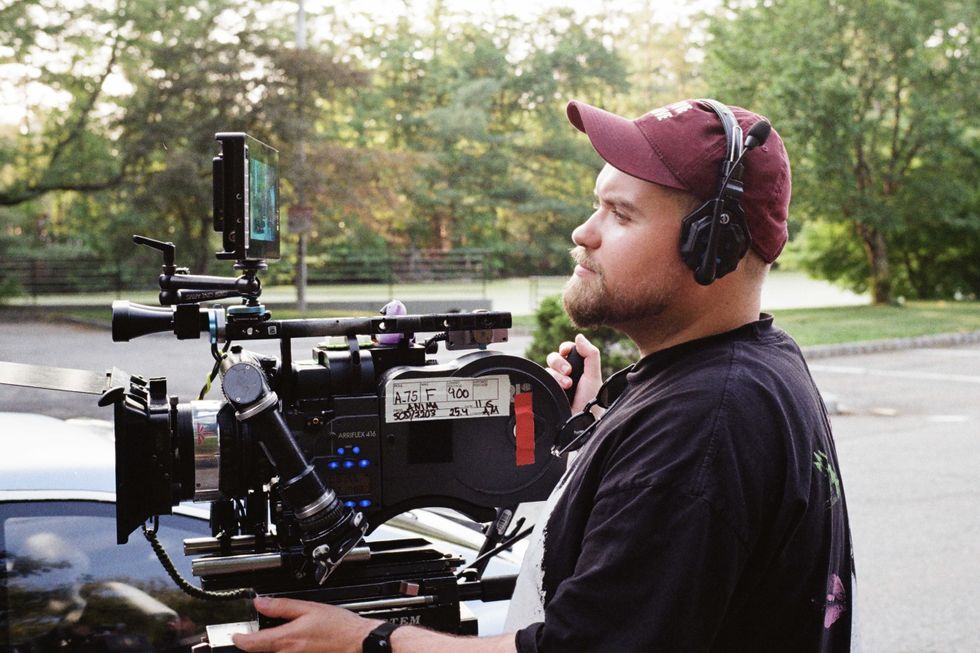
Camera(s) used: Arriflex 416 with Cooke S4X + SK4 lenses
Reason why: From its inception, ANIMA was always intended to be shot on Kodak 16mm film to bring a handcrafted and textured look and approach to a sci-fi road trip film. It was less of a question of what camera body, but more so what film stocks and lenses worked best for our story and style of shooting. I chose to shoot the film on Cooke lenses for their warmth, clarity, and the feeing of its classic and familiar look throughout cinema history. I shot the film on a mix of 50D, 200T, and 500T film stocks.
-Matheus Bastos
MAM
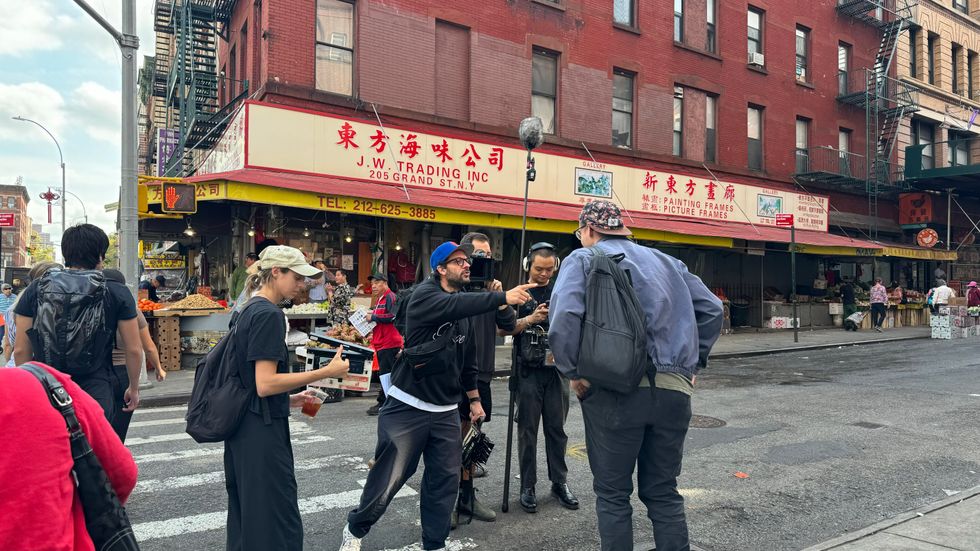
Camera(s) used: We shot on an Arriflex 416 Super 16mm.
Reason why: The primary inspiration came from Hong Kong and Taiwanese cinema of the 1990s. I grew up watching films like Fallen Angels and Happy Together by Wong Kar-wai, and I felt that MAM was perfectly suited to the vibration and emotional texture of film stock.
At the same time, I wanted an image with real character, something almost visceral, that would match the film’s documentary approach. Shooting on 16mm gives a living texture that blends beautifully with Chinatown New York and contributes to a feeling of authenticity, far removed from the smooth formatting of digital imagery.
Another important aspect was practical: we had very little film stock, which meant we couldn’t shoot without constraints. I turned that limitation into a dogma, a maximum of two takes per shot, combined with working only with natural light. It required the entire crew, and especially the actors, to be extremely focused. I like that sense of danger, of walking a tightrope. It makes the moments feel stronger and far more intense.
- Nan Feix
A SAFE DISTANCE
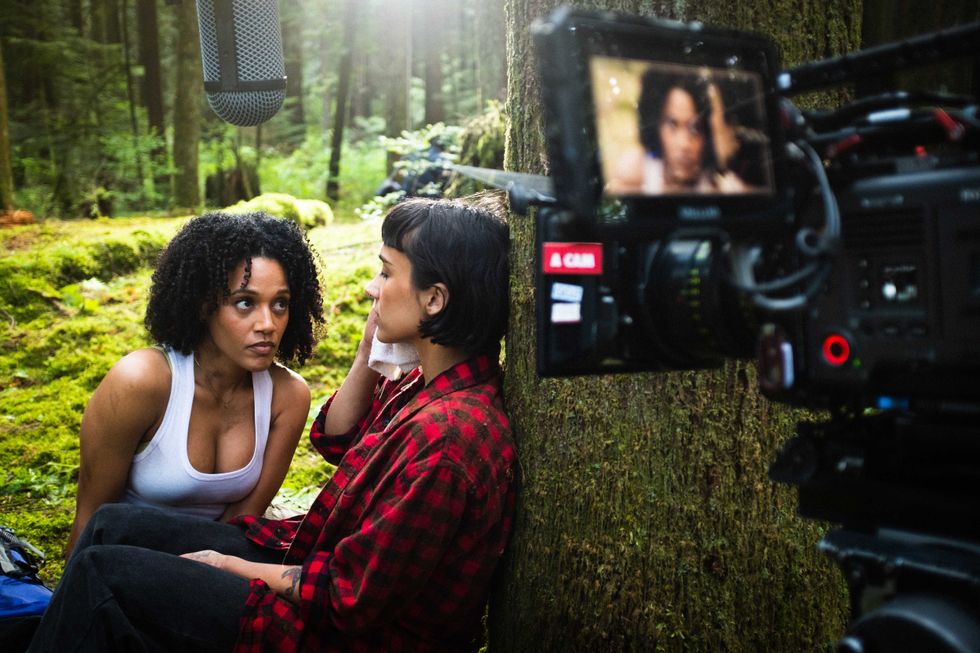
Camera(s) used: Sony Venice (Super-35mm Mode), Blackmagic Pocket 6k (B-Cam), Sony A7IV (C/Crash Cam)
Reason why: My cinematographer Devan Scott and I picked these cameras for a mix of practicality and aesthetic. We had an almost entirely outdoor shoot with some night scenes, so we needed a camera that we could haul through the forest, and fast lenses to shoot in low light.
- Gloria Mercer
Dead Eyes
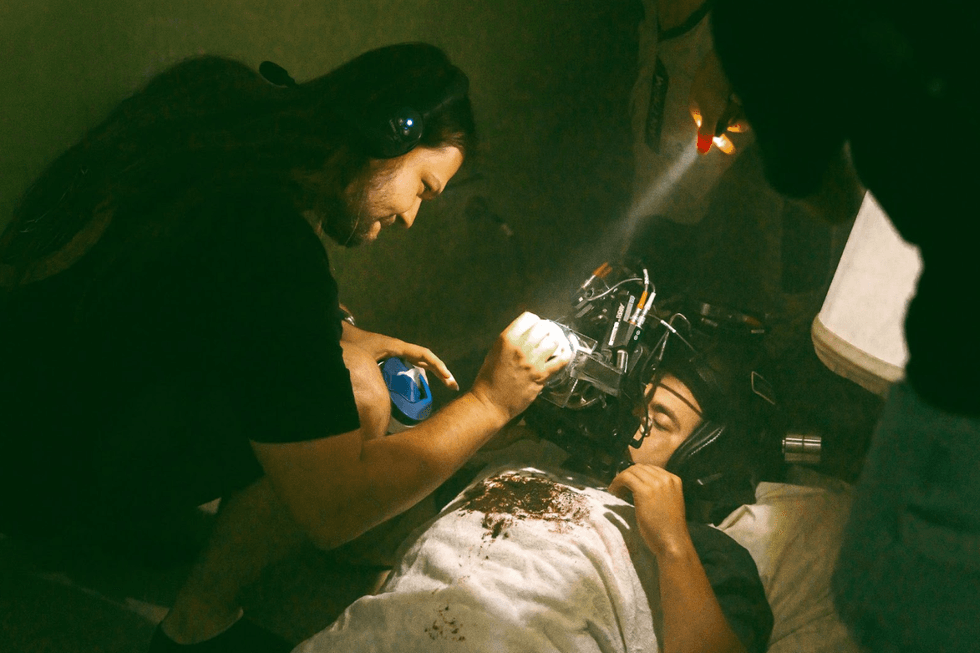
Camera(s) used: Sony Venice Rialto
Reason why: A critical part of shooting first person POV is having a slim camera that allows for your operator to hand act, which really grounds the perspective. While there are smaller cameras than the Rialto, we weren’t willing to sacrifice image quality, so we needed to stick with a cinema camera.
- Julian Panetta
Never After Dark
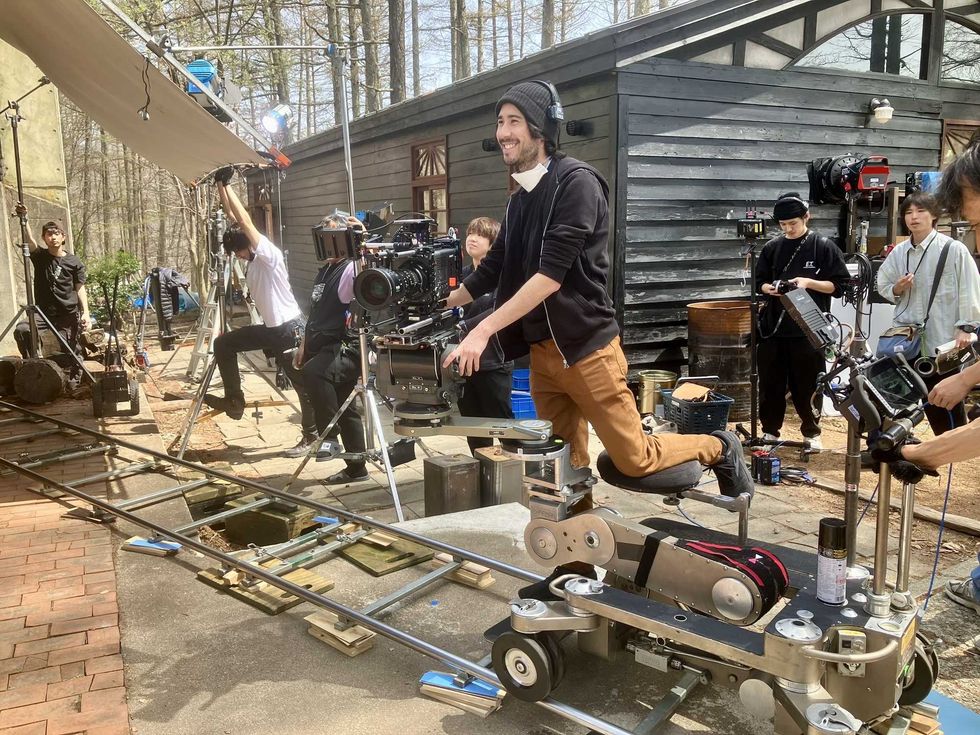
Camera(s) used: Sony Venice 2 and FX3
Reason why: I chose the Venice 2 for its versatility. I always like to shoot with a 10% pad to allow for stabilization and repositioning in post, and the Venice's high resolution allows for that with no compromises. The full set of internal NDs is great for practical and creative reasons. It’s easy to finetune the depth of field on every single shot because auditioning a new level of ND and different T-stop takes only a few seconds. I also used the high base ISO to switch to a higher frame rate for slow mo or for when we used probe lenses. I love the ability to go back and forth between FF and s35 depending on the lenses I’m using. We used the Sigmas in 8.2K FF and the Cabrio 19-90mm in 5.8K s35 for some 1970s-style zoom shots. The FX3 was used for specialty shots, such as some car work and a shot where the camera was rigged to a door. I also used it for a handheld shot where I wanted to sprint with the camera as fast as I could.
-Patrick Ouziel
Be sure to check out the rest of our SXSW 2026 coverage!
- The Best Film Festivals For Networking ›
- Blackmagic URSA Cine Immersive Camera Debuts at SXSW 2025 ›
- Exploring the Cameras Behind the 2024 SXSW Film & TV Festival ›
- Steven Spielberg Gave a Filmmaking Masterclass at SXSW and Here are His 6 Lessons ›
- From ARRI to iPhone: SXSW Filmmakers Explain Their Camera Picks ›
- Shooting Intimacy, Using Natural Light, and Throwing Away the Plan ›
- This Director Borrowed a Friend's Black List Login ›
- SXSW 2026 Was Where Film and AI Met as Frenemies ›
- Here are the Winners of the SXSW 2026 Film & TV Festival Jury and Special Awards ›
- Exploring the Technical Filmmaking and VFX Techniques Behind This Insane SXSW Short ›