Read 'The Odyssey' Screenplay
It's a lot shorter than all the translations out there.
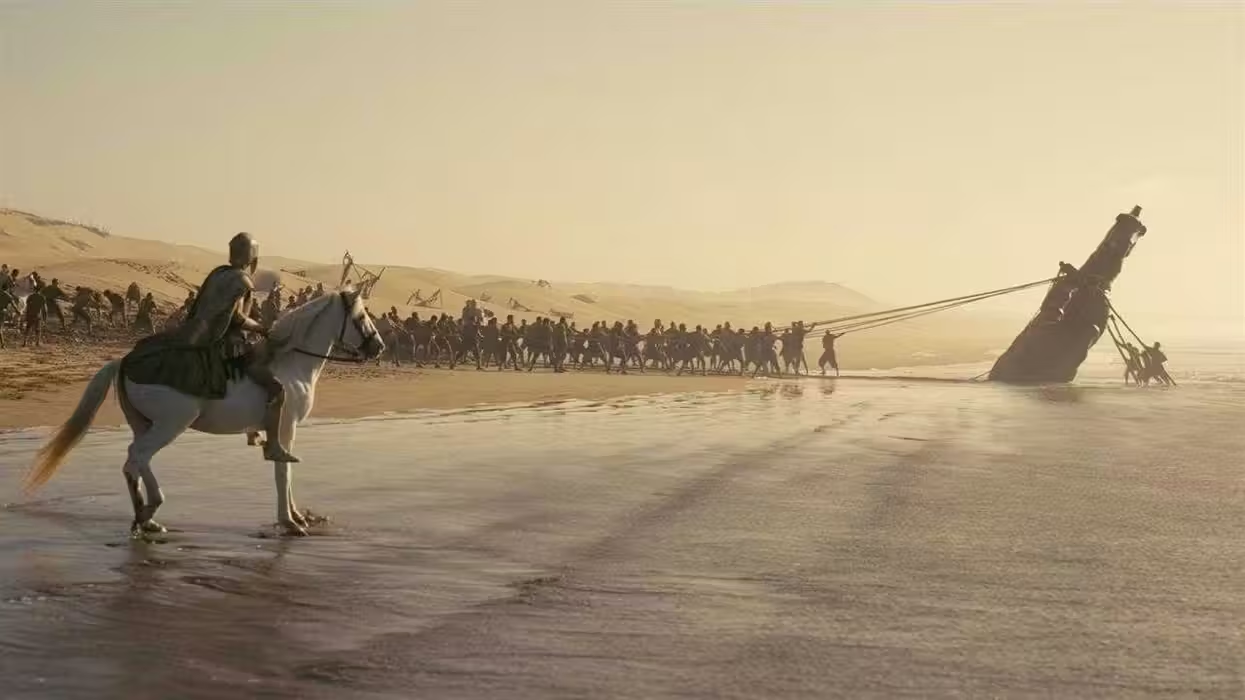
'The Odyssey'
The biggest hit of the year, so far, is The Odyssey, which rocketed past a billion dollars worldwide today and will probably top off somewhere around $1.5 billion, making it Nolan's top-grossing film ever and solidifying it as one of the top-grossing movies this year.
As with any movie, it starts with a screenplay. This one is an adaptation of Homer's epic, where Nolan read a few translations of the work, as well as the Aeneid, Iliad, and other poems, in order to add some details to the story.
It will surely be in the conversation for the Best Adapted Screenplay Academy Award.
Today, we're proud to link you to The Odyssey screenplay.
As always, this is for educational purposes only.
Lessons From The Odyssey Screenplay
The core of any successful adaptation is a thematic anchor that grounds the whole idea in something that stays tangible for the audience.
In this movie, it's Xenia, or Zeus's law, which is the hospitality rule that the Greeks are supposed to follow.
While the whole movie is sort of an exploration of home, identity, and the price of hubris, all that gets summed up in how people treat their guests one stop after another on the journey home.
Of course, Nolan was never going to tell this story in a straightforward way. He loves these fractured timelines that blend the years that are passing in the past and present.
We have grounded markers like the aging dog to help us, but the narrative opens in media res with the telling of Odysseus's story and then flashes to the aftermath of the king's absence.
Every storyline has propulsion. Odysseus is trying to remember one, trying to get home in a boat, and you also have Telemachus’s active search for news of his father.
That urgency sustains the page length and keeps us excited, although I think Nolan's name on the script would help, versus if you or I turned in a 175-page screenplay.
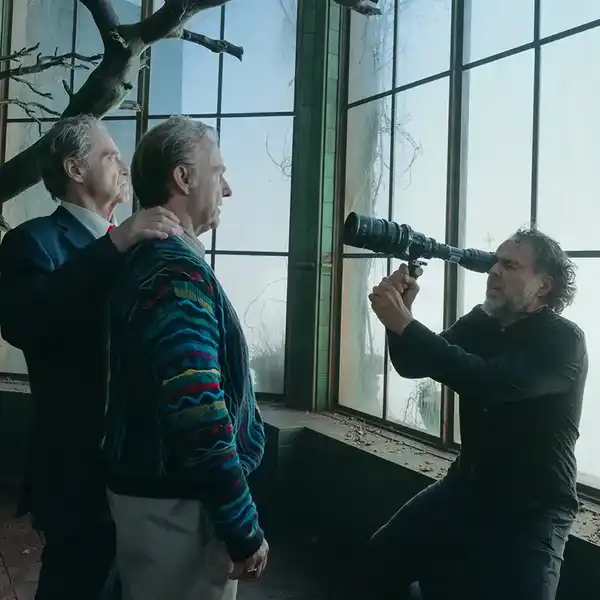
The clear goals and moral tale all make for a great read, and Nolan's camera direction and sparse action writing are interesting directorial trademarks on the pages. We sort of can imagine him imagining different scenes, and leaving the others to figure it out on set.
This was a fascinating read, and one I hope you enjoyed as much as I did.
Summing It All Up
This was a clever adaptation for the modern era that used the best parts of the epic poem and filled in the rest to tell a story about both hospitality and home.
What did you learn reading the screenplay?
Let me know what you think in the comments.