What is Christopher Nolan's Writing Process?
How does the auteur director get his words onto the page?
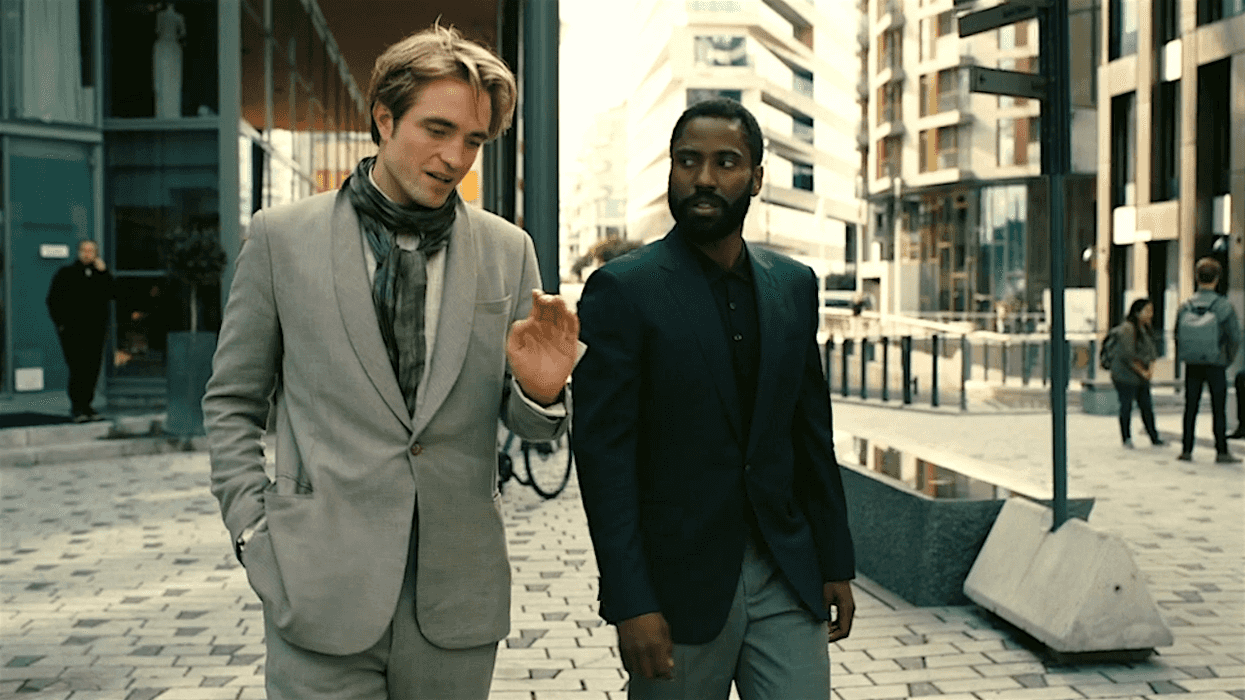
When it comes to writers you want to be like when you grow up, Christopher Nolan is a great option. The guy is absolutely one of our most important storytellers working, and someone I have great admiration for.
When he talks, I think we should all listen.
In this Scriptnotes podcast clip, Christopher Nolan explains his writing routine, how he approaches a story, and the one thing he's learned that every writer needs to know.
Let's dive in.
Christopher Nolan's Writing Process
You can find the whole ScriptNotes with Christopher Nolan here.
The main takeaway is that Nolan is just like the rest of us. He thinks writing is hard, and he has a hard time doing it — something we can all relate to.
But here are some other great lessons you can learn from Nolan:
The Trick to Avoiding Black Page Paralysis
At the top of the video, Nolan gives us another great idea. He took a class from novelist Julian Barnes and got a lesson he still uses to this day: end your writing session mid-thought.
This may seem counterintuitive, but it provides a clear and easy starting point for your next session, eliminating the dreaded blank page paralysis.
It helps Nolan forge forward.
Discipline is Your Ally
I'm not a guy who writes all night. I like having dedicated hours to doing this kind of hard work.
Nolan emphasizes the importance of treating writing like a job, with regular "office hours."
This approach helps to build momentum and steady progress, even on days when inspiration feels distant or you don't put out as many pages.
You are always moving forward.
Seize the Spark of Inspiration
Nolan also acknowledges that ideas are fleeting and stresses the importance of capturing them the moment they arise.
He recounts a personal anecdote from writing Oppenheimer, where he woke up in the middle of the night with the final scenes crystal clear in his mind and immediately wrote them down so as not to lose them.
So, put some paper by your bed, and get ready to tap into that creativity when it arises.
The Soundtrack to Your Story
I go back and forth on this one, because I like listening to music when I write, but I am also so easily distracted if I do, so I have to find something that really fits the mood.
Music can be a powerful tool for writers, helping to evoke specific emotions and create the right mindset for a scene.
You can create playlists that align with the emotional tone of your project, allowing you to quickly re-engage with the material, even after a long break.
I actually think this helps a lot to set the tone of scenes as well.
Writing from the Heart
At the end of the day, you should be sharing a piece of yourself with the audience that comes from the heart.
While the planning and structuring of a story can be an intellectual exercise that we love and that feels good, the act of writing itself is deeply emotional. You are often alone to figure out what goes on the page, and to make these big decisions.
Showing your work to people should feel like standing naked in front of them.
Nolan encourages writers to tap into their feelings and write from an emotional perspective, as this is where the true heart of the story lies.
Summing It All Up
By embracing Nolan's techniques, you can unlock your potential and navigate the creative process with greater ease and confidence.
Watching Nolan movies, listening to his interviews, and reading Nolan screenplays can help educate you even further.
Let me know what you think in the comments.
- Christopher Nolan's 20 Tips for Writing Screenplays ›
- Directing Lessons From Christopher Nolan Movies You Need to Know ›
- Why is Christopher Nolan so Obsessed with Time? ›
- Christopher Nolan Almost Directed 'Troy' ›
- Nolan Doesn't Know If He Likes Tarantino's Retirement Plan ›
- Stop Trying to Decode Christopher Nolan’s Movies While Watching Them | No Film School ›