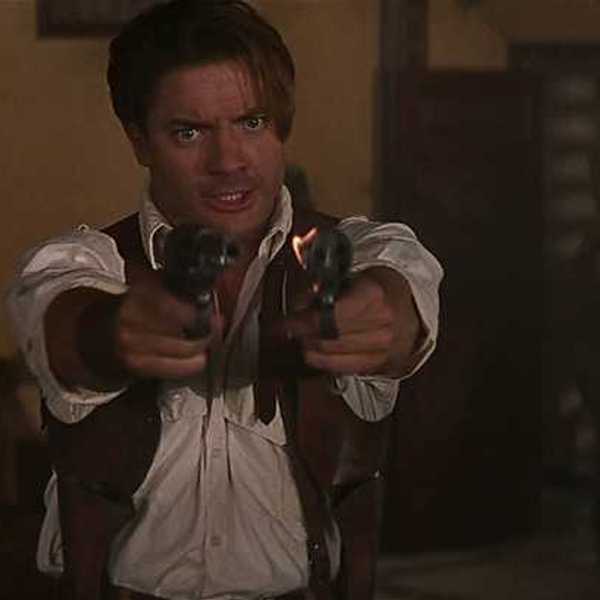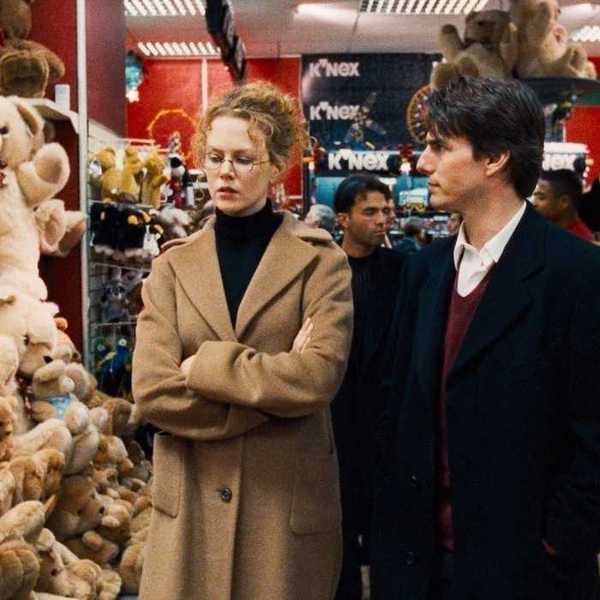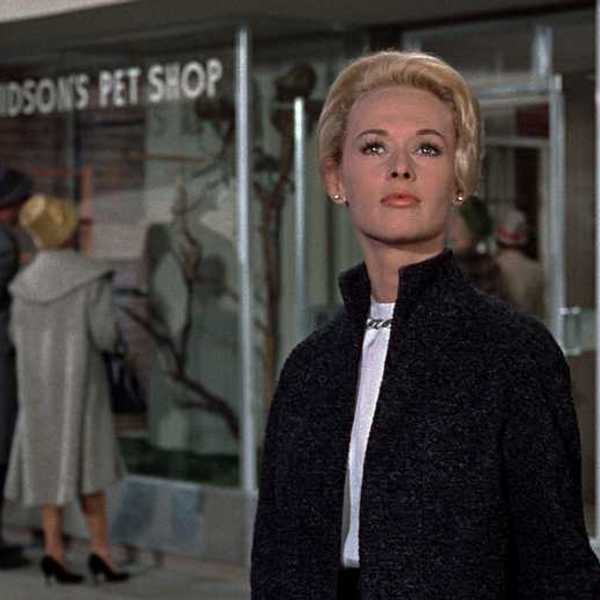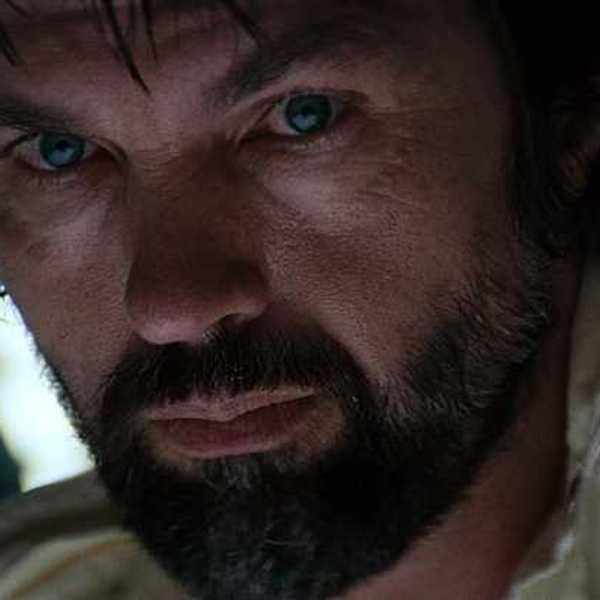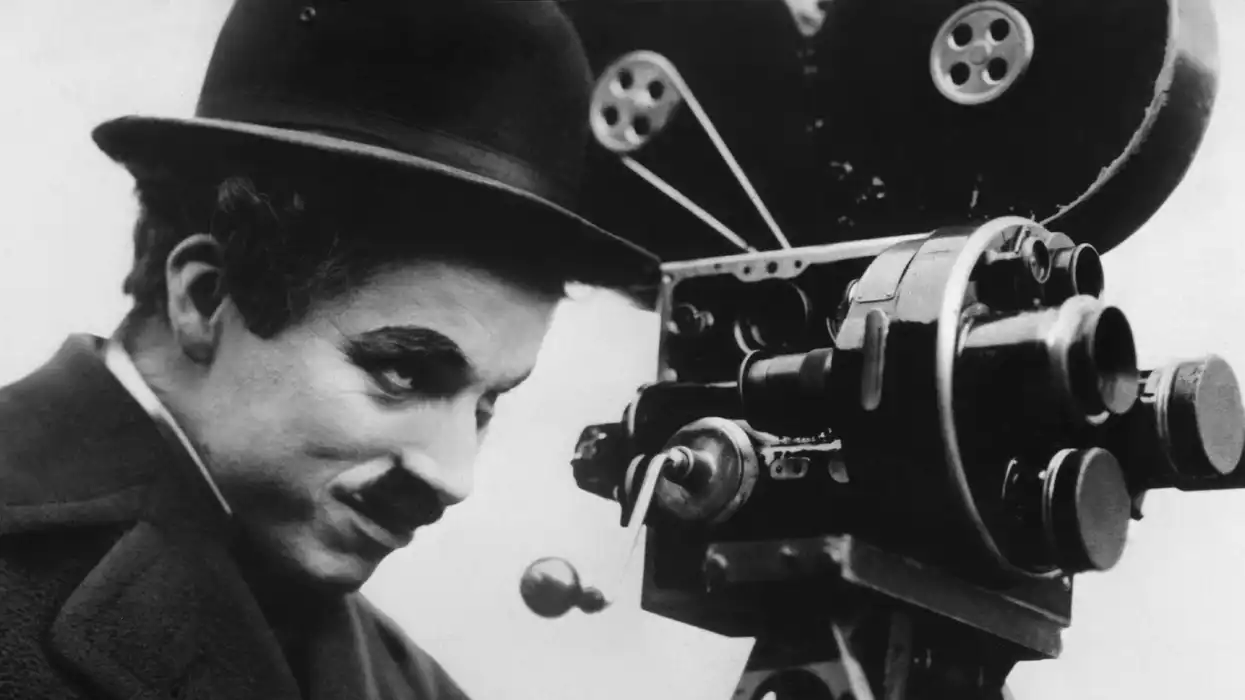
Given the option, most of us would probably jump at the opportunity to shoot something on film stock. There's just something about the color, the depth, the grain, the jitter that can't be emulated. And most of us would probably also say that modern movies don't feel like "cinema," whatever amorphous thing that means to you.
The first thought might be to blame digital and just move on. A video from the channel _tographer goes a little deeper. His argument is that when film was replaced by digital, it dragged a dozen other things out the door with it (the camera, the lenses, the grain, the lighting, the sets, the color, the audience) and they all turned over in the same short window.
So the thing you're squinting at has a dozen culprits, not one. That's a bigger swing than the old film-or-digital debate usually allows. Let's dive in.
- YouTube www.youtube.com
The Camera Stopped Being a "Mystery Box"
Film ran on faith. You framed your shot, but you couldn't see what the stock was actually doing with the light. The video calls the film camera a "black mystery box," and yeah, that tracks.
You metered, you trusted the lab, and you prayed. And focus was brutal. The 1st AC never looked through the lens, so they couldn't see whether a shot was sharp while it happened.
Before digital monitors and peaking, a tape measure and a set of marks were standard on the job. Digital got rid of the guessing. Everybody watches one feed at video village, peaking tells you what's sharp, and you can shoot wide open and still nail the face.
Grain Became Noise
Grain is what people mean when they say a film looks like film. On stock, it's a living, spontaneous texture. It makes the image feel like it has a pulse.
Digital doesn't grain. It "noises." If you've ever played around with Photoshop, you know the "Add Noise" tool, which speckles up a clean digital image.
Camera makers have spent twenty years trying to get rid of that noise, thinking it was a detriment. Bigger sensors plus dual-gain chips like the one in the ARRI Alexa 35 will shoot a scene lit by a phone screen and hand you something spotless. But it's so clean and crisp, it's not what movies have traditionally looked like.
Which is exactly why filmmakers turn around and smear grain back on in post. We spent two decades killing the texture, then started buying plugins to counterfeit it.
The Lights Got Soft
Early film was starved for light. The stock was so slow it needed brutal amounts of it, first blazing sun, then carbon-arc lamps once shooting moved indoors, harsh and blistering hot, because the softer theatrical bulbs were too dim to register on the negative. That's the origin of the big, bright, shadow-carving Hollywood look.
Then sensors got sensitive enough to nearly see in the dark, and all that became optional. Modern sets go dimmer and softer, lighting only the sliver of frame that matters. Sometimes it goes too far. Remember that pitch-black Game of Thrones battle half the internet swore they couldn't see (including us)? Under-lighting is its own complaint now. No one wants to have to sit at home in a dark room to watch a dark screen where the characters look like mud.
We've written about how naturalistic lighting is almost always a lie, rigged with enormous effort to look like nobody rigged it at all.
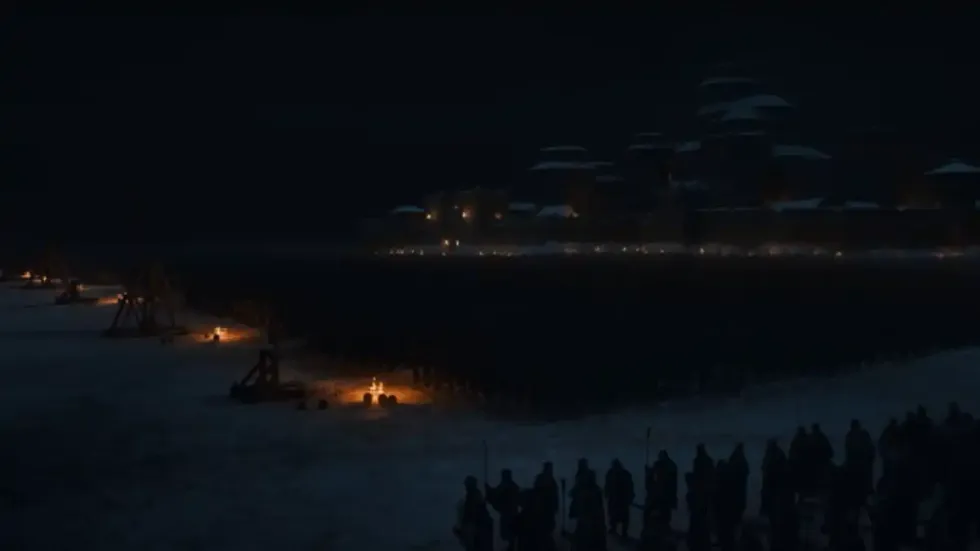 'Game of Thrones'Credit: HBO
Everything Moved to Post
"Fix it in post." You've probably heard that, at least as a joke.
When filmmakers were working with film, color got locked in a lab. A timer adjusted the red, green, and blue printer lights, and once it printed, changes were slow and expensive. Digital changed that totally.
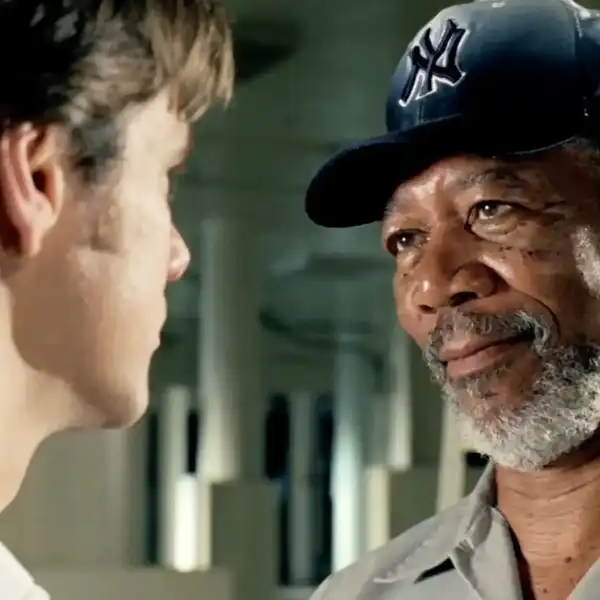
Since O Brother, Where Art Thou? became the first feature with every shot digitally color-graded, colorists went from three controls to hundreds per shot. You can mask shots, relight frames, or change the colors in a shot entirely.
The video points out that a green-leaning starting point and a flat, desaturated, lifted-shadow grade a lot of people now read as "cinematic." The green part is just hardware (because sensors carry twice as many green photosites as red or blue).
Our rundown of iconic grades makes the case that real cinematic color leans into contrast, so we're hoping that's a short-lived trend. That muddy-gray wash or Netflix lighting isn't a standard (we hope).
The Audience Changed Too
Stay with me here. Old Hollywood sold the family outing. One ticket for the kids, the parents, and grandma, back when your options were basically G, PG, and R. As the video puts it, "You had family movies, kid movies, and adult movies," and that was the whole menu.
PG-13 didn't exist until 1984, when the heart-ripping in Indiana Jones and the Temple of Doom and the microwaved monster in Gremlins finally forced the MPAA's hand (we broke down how those two movies minted the rating).
Now the theatrical slate skews PG-13 and R, older and meaner, and the genuinely kid-friendly stuff has decamped almost entirely to animation.
A market hunting teenagers and adults wants a darker, edgier, more "serious" look, and that appetite lines up generally with the muted, low-contrast, shadow-heavy grade the digital toolkit is primed to deliver. The tech made it easy, and the filmmakers thought they needed to give it to a particular kind of audience.
Blame… Uh, Reagan? He Does
The video jokingly pins the whole problem on Ronald Reagan and the millennial generation. Early-'80s deregulation gutted the rules on children's TV, and cartoons mutated into half-hour toy commercials, so stuff like He-Man was to drive sales.
His claim is that the kids marinated in all that, and millennials grew into the most relentlessly marketed-to humans alive, and now get their own childhoods sold back to them as nostalgia.
"It has felt like my whole life, the world has been built to sell to me," he says in the video.
It's a little bit of a jump, but his last point has some weight. Digital is the better tool, but it still can't save you.
"None of those technicals actually make the movie itself better," he says.
Film can produce a beautiful image. But it, and your camera, doesn't really matter. Shoot your film on glorious 35mm, and you'll get a gorgeous version of the same broken story if your script just sucks. A filmic look won't rescue bad writing.
- 'Side by Side,' the Film vs. Digital Documentary Produced by Keanu Reeves, is Now on Netflix ›
- Why Oscar-winning DP Vittorio Storaro Thinks the Film vs. Digital Debate is Bullshit ›
- Can You Tell the Difference? Film & Digital Go Head to Head in This Stop Motion Video ›
- Can’t Decide Whether to Use Film or Digital? Here Are the Pros and Cons of Both ›