Detective Noir vs. Cozy Mystery: Two Very Different Ways to Solve a Crime
Understanding the key differences between the two "mystery" subgenres.

'Enola Holmes'
If you had to get someone hooked on literature or movies, I think crime is the best place to start. I began my journey with cozy mysteries, and by high school, I was addicted to the noir genre.
Many believe that cozy mysteries are best for younger viewers and those who want happy endings, as they warm the mind, while detective noir is a fuel for adult fans of grittier stories, sharpening both analytical and comprehension skills.
In this article, let’s compare the two subgenres in mystery, cozy mysteries, and detective noir, to understand the key differences between the two.
What Is a Cozy Mystery?
A cozy mystery is a crime story in which a sleuth (usually a civilian) seeks to identify a culprit.
More often than not, the crime occurs off-screen, after which the protagonist or sleuth becomes involved (often not as a suspect) and investigates. A cozy mystery revolves around the classic whodunnit or whydunnit, where the protagonist solves a series of clues and circumstantial evidence to unmask the culprit.
Key Features of a Cozy Mystery
1. The Content Is Usually PG-13
Cozy mysteries keep their narratives clean. No sex, no violence, and no gore. While these stories cover all kinds of crime, the narratives are usually “soft-boiled,” i.e., diluted, which suits a wide range of audiences.
2. Complexities Are Limited
Cozy mysteries are not morally complex. The stories are based on the good-versus-bad trope, in which the sleuth competes with the criminal to uncover the truth. Think of it as a compilation of riddles, visual clues, and other elements to solve to unravel the mystery.
3. A Neat Wrap-Up
Cozy mysteries aim to tie up loose ends by the end of the story. The resolution is never open-ended: the culprit is unmasked, justice is served, and social order is restored.
What Is a Detective Noir?
A detective noir dives into the moral rot and psychological fallout of a mystery. While the focus is on solving the crime, much like a cozy mystery, the greatest detective noirs explore the dark underbelly of society without inhibition.
Key Features of a Detective Noir
1. The Content Is Usually Explicit
Detective noir films explore crime in intimate detail. The visuals are usually gory and focused on the nature of the crime and violence to completely immerse the viewer in the darkness. You see everything as it happens.
2. Exploration of Strong Themes
Detective noir stories interrogate the moral grays of our society—power, corruption, lust, greed, and more. They explore the darkness in mankind through both the protagonist and antagonist.
Most of the time, the sleuths or detectives in these narratives are as flawed as the antagonist, but only the latter violates the law by acting on their impulses.
3. Mystery Balanced with Ordeal
Unlike cozy mysteries, which are primarily centered on solving mysteries, detective noir is more like an ethical trial, with the narrative unfolding as a quest rather than a series of misdirections.
According to Blake Snyder's Save the Cat, a “whydunit” (his term for detective mysteries) isn't just about who committed the crime, but meticulously explores the motivation behind it.
4. Open Endings
Detective noir may not provide closure or justice for its victims. These narratives force you to think through moral questioning and intentional ambiguity.
Difference Between Cozy Mysteries and Detective Noir
Cozy Mystery | Detective Noir |
Lighthearted mysteries | Gritty and complex mysteries |
A non-professional sleuth, who’s driven by curiosity or an inadvertent involvement with the crime. | Usually a professional detective, who’s often troubled in their personal life. |
They are centered on clue analysis, solving logical puzzles, and misdirection. | They are centered on psychological deductions, laced with moral ambiguity. |
The ending is always closed, with all loose ends tied. | More often than not, the ending is ambiguous and denies an expected closure. |
They deal in everyday ethics, social collapse, and community bonds. | They explore the complexities of life with flawed protagonists and antagonists. |
Examples of Cozy Mystery Movies
1. The Thursday Murder Club (2025)
Four retired friends, who solve mysteries in their free time, are confronted with a mind-bending whodunnit murder case.
2. Enola Holmes (2020)
Enola Holmes, Sherlock Holmes’ spirited sister, sets out to track down their missing mother and unravels a dark conspiracy.
3. Green for Danger (1946)
A classic whodunnit, Green for Danger follows Inspector Cockrill as he investigates the mysterious murder of a wounded patient during a minor surgery in a rural English hospital during the Second World War.
Examples of Detective Noir
1. The Maltese Falcon (1941)
Detective Spade is hired for a simple investigative task, but is soon roped into a dark conspiracy revolving around an invaluable bird statuette and the people who are desperately trying to get hold of it.
2. Kiss Me Deadly (1955)
While attempting to help a woman escape her perpetrators, private investigator Mike Hammer becomes collateral damage. After managing to survive a fatal attack, he proceeds to investigate her death only to uncover destructive secrets.
3. Laura (1944)
While investigating a woman’s murder, a detective realizes that he’s developing feelings for the woman. The investigation leads only to dead ends until one day something unusual occurs, giving him a new perspective on the case.
It is extremely easy to distinguish between a cozy mystery and detective noir just by their tone and treatment.
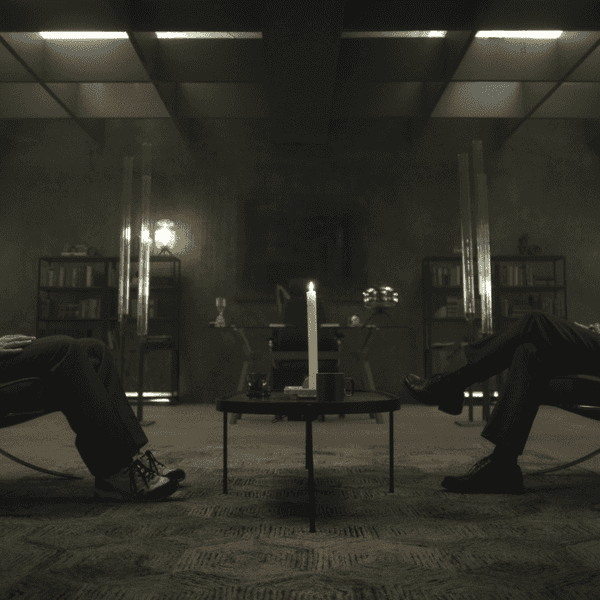
Cozy mysteries rely on bright colors, soft, natural lighting, and quaint settings. The overall tension is balanced by humor, wit, and emotion, providing the audience with a well-rounded, fulfilling experience. Detective noirs do the exact opposite in terms of treatment—chiaroscuro lighting, gritty urban setup, and a limited sense of humor.
Which one do you prefer more?