Imagine a character who just committed a bank robbery, and before entering his house, he puts on a doctor’s coat and a stethoscope, and joins his family at the dining table. Right away, you are invested, aren’t you?
I get butterflies in my stomach every time I see a character living two lives on screen. Because my brain is already firing off a list of hot questions — “Who are they? How long have they been doing this? Why are they doing this? How long are they going to keep doing this?”
Today, we’re going to be talking about one of the most popular and risky tropes — the “Double Life” trope.
What is a “Double Life” Trope?
A double life trope consists of characters who maintain two separate or parallel identities. One of them is a fabricated lie that they live to get their goals done.
Leading double lives is often accompanied by a conflicting nature between them — one can be moral, and the other immoral, or one can be a regular life, while the other is exciting. Only then does the trope become interesting enough to watch the characters carry the facade while hiding it from others.
The reason the double life trope works so well is that characters will go to great lengths to ensure their worlds, real and unreal, do not collide with each other. Stakes are high — if they don’t keep them separate, they risk getting caught.
 'Dexter' Credit: Showtime
Why the Double Life Trope is Popular
1. When We Know About Them, and They Don’t
I love it when I know something that the character doesn’t in a film or a TV show. It feels very personal to be aware of the secret identity that they wish to keep from everybody. Suddenly, we are engaged with the choices they make in the movie because we start caring about the outcome.
2. Exploring the Characters’ Depth
Living two lives automatically means lying, hiding, or manipulating information to keep the other identity hidden from the world. The problem is, with those choices, a character is bound to be in a constant struggle with their internal conflicts; they go through feelings of guilt, shame, loneliness, and much more.
One might call it the price of sustaining multiple lives on screen. However, this allows us to gaze into a character’s emotional depths for longer.
3. An Ordinary Person with Secrets
Everyone likes to know about others’ deepest, darkest secrets because what’s on the surface is usually boring stuff. Finding an arsenal of guns in the garage of an ordinary tech engineer is not safe, but it surely is an exciting revelation, isn’t it? These kinds of secrets expose the other side of characters. We are attracted to them because somewhere deep within, we too have a different side we don’t want people to know.
4. The Dual Nature of Morality
In reality, people are often quick to term a person good or bad by the choice they make in a situation. But it’s not always white or black: their choice can be entirely good or bad, but not the person. The same goes for fictional characters with a double role. With their conflicting personas, we witness their good and bad actions, and still get invested in them. This is because the double life trope helps us explore how people are not entirely good or entirely bad.
 'Spider-Man' Credit: Sony Pictures Releasing
Types of Double Life Tropes
Although there are several double life tropes, we’ll mention some of the major ones that we normally see in TV shows and movies.
1. Masquerade
A secret world of fantasy elements (mostly groups or secret societies) hiding in a real-world setting among ignorant people. The masquerade trope is a writer’s tool to play with suspension of disbelief and plausible deniability — a very common trope in urban fantasy.
2. Naughty by Night
A character who is a regular, boring person by day, but their wildest self by night. What they can’t do out in public, in broad daylight, they unleash it as the sun goes down.
You’ll see the most common examples of women playing this trope on the internet — either a stripper or sex worker to pay her college tuition or bills. But if you closely look, a man with a boring daytime job can also be naughty by night by opening a fight club in a basement.
3. Rich Idiot with No Day Job
The rich character (oftentimes a superhero) who lives an idle, charmed life, and hides his facade under the cover of being called a foolish, spoiled brat. Who knows… some of them might be crime-fighting vigilantes at night.
4. Secret Identity
Characters who conceal their identity from the public eye. There can be many reasons for it — for the safety of their loved ones, or people might fear them, unless they are undercover on a mission to extract classified information, or even better, to assassinate someone. Secret identity is one of the most applied tropes that has its own sub-tropes.
5. Subversion of Gender Roles
When characters pretend to be of another gender for a specific purpose.
These tropes challenge the norms of masculinity and femininity — a man portraying a woman in caring and domesticated surroundings or a woman portraying a man by posing as a leader and an action figure, contrary to popular beliefs.
7 Popular Characters Examples With Double Role Trope
1. Walter White — Breaking Bad (2008 - 2013)
- YouTube www.youtube.com
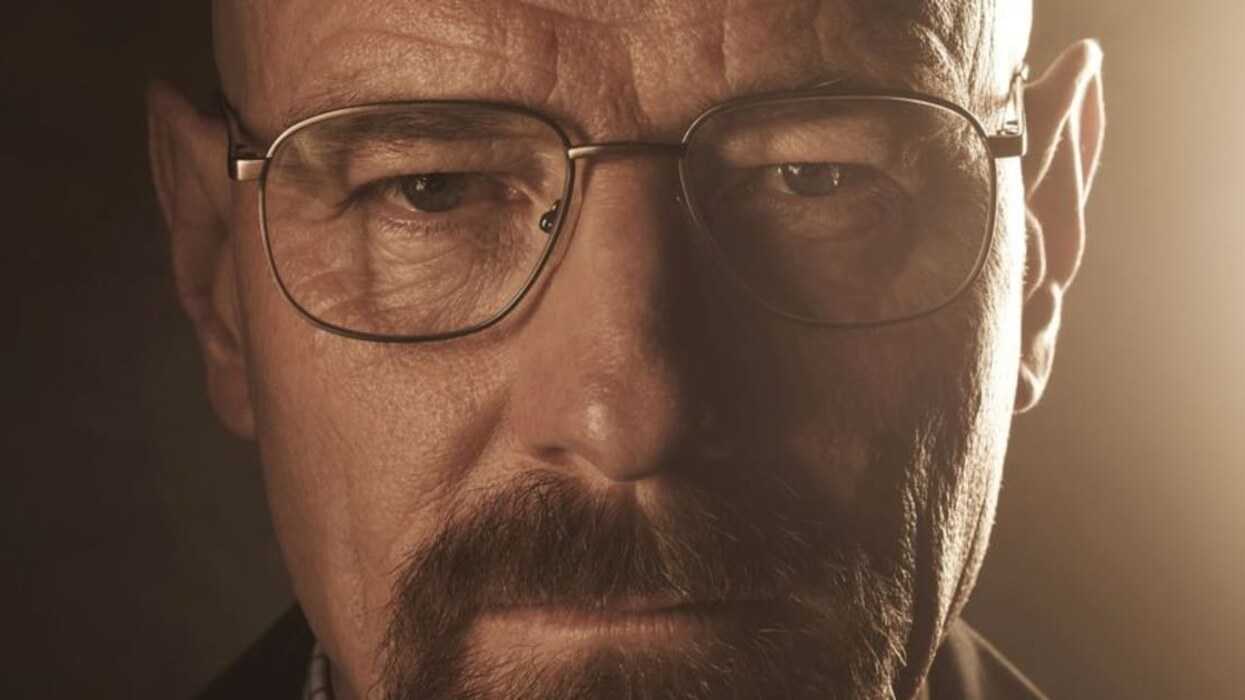
Walter White (Bryan Cranston) is a timid and harmless chemistry teacher in front of his family and his DEA brother-in-law, but is a ruthless and manipulative meth dealer in the underworld of drugs.
2. Dexter Morgan — Dexter (2006 - 2013)
- YouTube www.youtube.com
Dexter Morgan (Michael C. Hall) is a mild-mannered forensic technician who works for the police, but as soon as the sun sets, he turns into a brutal serial killer who kills only bad people who’ve done worse things.
3. Hannibal Lecter — Hannibal (2013 - 2015)
- YouTube www.youtube.com
Hannibal Lecter (Mads Mikkelsen) is a charming and presentable forensic psychiatrist who helps people. But secretly, he is a manipulative cannibal who goes undetected for his crimes until the very end of the show.
4. Peter Parker — Spider-Man (2002)
- YouTube www.youtube.com
To protect his loved ones, Peter Parker (Tobey Maguire) puts on a mask to fight bad guys. Even though he was written way before in comics, Peter’s character is one of the few characters who consistently struggle with the moral aspects of leading a double life. In addition to Spider-Man, almost every superhero character shares the same secret identity trope.
5. John and Jane Smith — Mr. & Mrs. Smith (2005)
- YouTube www.youtube.com
John Smith (Brad Pitt) and Jane Smith (Angelina Jolie) tell their friends and family (to each other) that they work in the construction business and tech consulting services, respectively. In reality, they are both skilled assassins working for rival agencies.
6. Barry Berkman — Barry ( 2018 - 2023)
- YouTube www.youtube.com
After reaching Los Angeles to execute a job, Barry (Bill Hader) starts living a double life as a regular person after he joins an acting class, and doesn’t want anyone to know that he’s a highly skilled contract killer on the payroll.
7. The Incredible Family — The Incredibles (2004)
- YouTube www.youtube.com
A family with superhero abilities adopts a civilian identity to hide their powers from the world, because superheroes had been barred from the world for more than a decade.
Summing It Up
Introducing the double life trope in your screenplay is like playing hide and seek with the idea of private vs. public. You keep their two worlds separated as long as you can, generate the anticipation, and the audience will engage with the character.