Why We Love Enemies-to-Lovers: A Timeless Storytelling Trope
Love that starts on the wrong foot only to land on the right side.
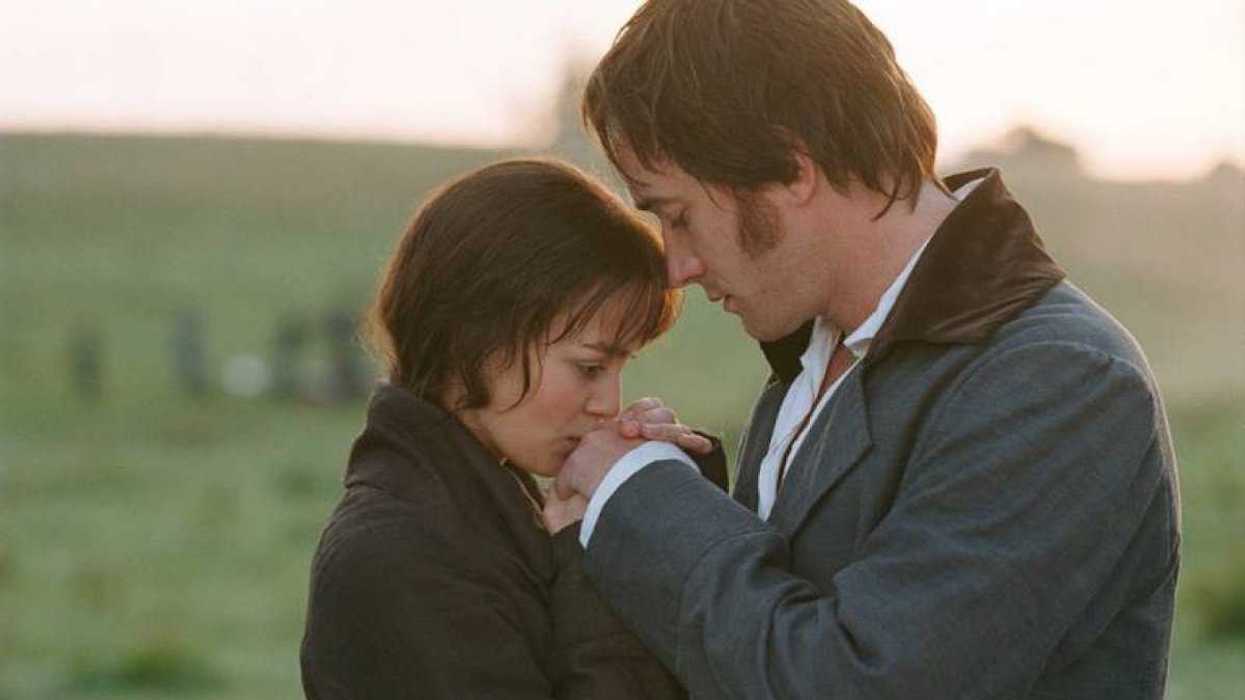
'Pride and Prejudice' (2005)
He thinks she’s a bit of a brat, she thinks he’s a jerk, and we think they both are a perfect match. Isn’t this the way most of our beloved love stories start in films?
But why are we so drawn toward these conflicting characters in cinema? The answer lies in the emotional tension that lingers between the characters.
Let’s jump in and understand more about the Enemies-to-Lovers trope.
What is an Enemies-to-Lovers Trope?
As the name suggests, it’s when two characters start off with a mutual dislike for each other, only to find their feelings dramatically change into love over time.
The degree to which these characters can hate each other may vary from extreme to as simple as an argument based on car parking.
As the plot unfolds, we realize that their exterior selves were just a defense mechanism and a way of self-preservation.
What Makes the Enemies-to-Lovers Trope Irresistible?
There are several factors why we swoon over enemies turning lovers. Let’s discuss.
1. Drama Erupting from Conflict
Conflict is the recipe for great drama, and at the heart, Enemies-to-Lovers is an emotional conflict.
The first heat-up meet-up between characters is largely due to misunderstandings, personal flaws, or conflicting events in a story. Their hostility towards each other sets the stage for compelling romance. It heightens the emotional tension between them that leads to an emotionally satisfying payoff at the end.
2. The Journey of Change
The characters who grow by confronting their flaws, beliefs, and prejudices to love another are always fun to watch. The intensity of the emotions and willingness to surrender to vulnerability highlight their depth of transformation. It’s endearing and bold, and it gives us the courage to change in love.
3. Opposites Attract
“Opposites Attract” is the key to romantic love stories, and Enemies-to-Lovers further elevates the concept even more.
Watching characters with unique personalities disagree on things to finally work well together mirrors real-life relationships. Friction in a relationship makes their bond more honest, grounded, and profoundly human.
4. Witty Banter
The niche of romantic love stories tends to reflect soft, hopeful, and tragic elements. Enemies-to-Lovers make those stories spicy as characters with opposite views don’t agree most of the time. Their way of confronting each other’s reality is through witty dialogue, sarcastic replies, and intelligent insults.
The infusion of humor makes the romantic drama more enjoyable and engaging.
Top 5 Enemies-to-Lovers Movie Examples
1. Pride and Prejudice
Following the adaptation of Jane Austen’s classic novel, this 2005 film features an intelligent young woman, Elizabeth Bennet (Keira Knightley), and a wealthy landowner, Mr. Darcy (Matthew Macfadyen).
In their first encounter, Darcy turns out to be a mean and rich brat. He describes Elizabeth as “Tolerable, but not handsome enough to tempt me.” Elizabeth overhears the comment and is not pleased. This leads to an ego tussle between them.
Later in the film, when Darcy proposes to Elizabeth upon falling in love with her, she rejects him. Darcy is forced to reconsider his beliefs and presumptions toward Elizabeth. On the other hand, she begins to see beyond her own prejudices. As the story unfolds, misunderstandings clear out, and feelings start to take over.
2. 10 Things I Hate About You
The movie was such a crowd-pleaser in its time that only a few people know it is loosely based on William Shakespeare’s play, Taming of the Shrew.
For Cameron (Joseph Gordon-Levitt) to date Bianca Stratford (Larisa Oleynik), Patrick Verona (Heath Ledger) has to woo the elder sister, Kat Stratford (Julia Stiles). He is paid to do that, and it shows in his insincere efforts. He tries to provoke her by double-sided compliment, but Kat sees right through Patrick’s facade and doesn’t buy his bad-boy demeanor at all.
She knows Patrick falls in line with those non-serious boys who just want to get in her pants. Patrick, too, realizes that Kat is a tough nut to crack. But a well-timed, orchestrated song change sways Kat’s feelings for Patrick. And the catch is that while trying to woo Kat through consistent advances, Patrick actually falls head over heels for her.
3. You’ve Got Mail
The story of You’ve Got Mail is a classic case of professional foes-to-lovers. Kathleen Kelly (Meg Ryan) runs a bookstore passed down by her mother. Her business is threatened when Joe Fox (Tom Hanks) opens a new bookstore around the block. Kathleen starts hating on Joe as his bookstore reduces Kathleen’s traffic. It doesn’t sit right with her, and she fights back. She thinks that Joe is a liar who spies on her and uses his cleverness to take her out of business. Kathleen even publishes a column to draw negative publicity to Joe’s bookstore.
All the while, they form an online romantic bond with different names. They are unaware of each other’s real identities. After Joe finds out that her online muse is his rival, his feelings change. He wants to de-escalate and form a bond with her offline self before their real identities are revealed.
4. The Proposal
Due to her pushy and dominating behavior towards her employees, Andrew Paxton (Ryan Reynolds) despises his boss, Margaret Tate (Sandra Bullock).
The plot takes a turn when she proposes a fake marriage to him to save her job, but not her feelings. She praises Andrew in public, while in person, she belittles him to the core. But Andrew doesn’t just sit and take jabs — he obliges her with sarcastic comments and a vivid reluctance on his face.
Their journey to Alaska (to Andrew’s home) and constant bickering are enough to show their polar-opposite nature. But as they are forced to spend time together, they share vulnerable moments and start complementing each other in their own ways.
5. Silver Linings Playbook
Silver Linings Playbook is too good to leave out, as it contains some elements of the Enemies-to-Lovers trope.
The first meeting between Pat Solitano Jr. (Bradley Cooper) and Tiffany Maxwell (Jennifer Lawrence) is an awkward mess of a dinner. Pat calls her a mean woman who has no social skills, while Tiffany calls him a scary person who says the most inappropriate things.
Moreover, Pat tries to avoid Tiffany on a morning run, yet she keeps up. Guess what Pat does — he indirectly calls her a slut. Their relationship is an unusual one. Tifanny doesn’t take much offence at Pat’s erratic behavior; instead, she tries to help Pat win her ex-wife back. But in return, Pat has to join her in a dance competition. Through the course, they both find the silver linings in their lives.
Summing It Up
The Enemies-to-Lovers trope is a powerful cinematic tool to elevate your narrative with humor, warmth, vulnerability, and transformation through love, all in one.
All you need is a warm blanket and a partner to hold and enjoy these kinds of stories.