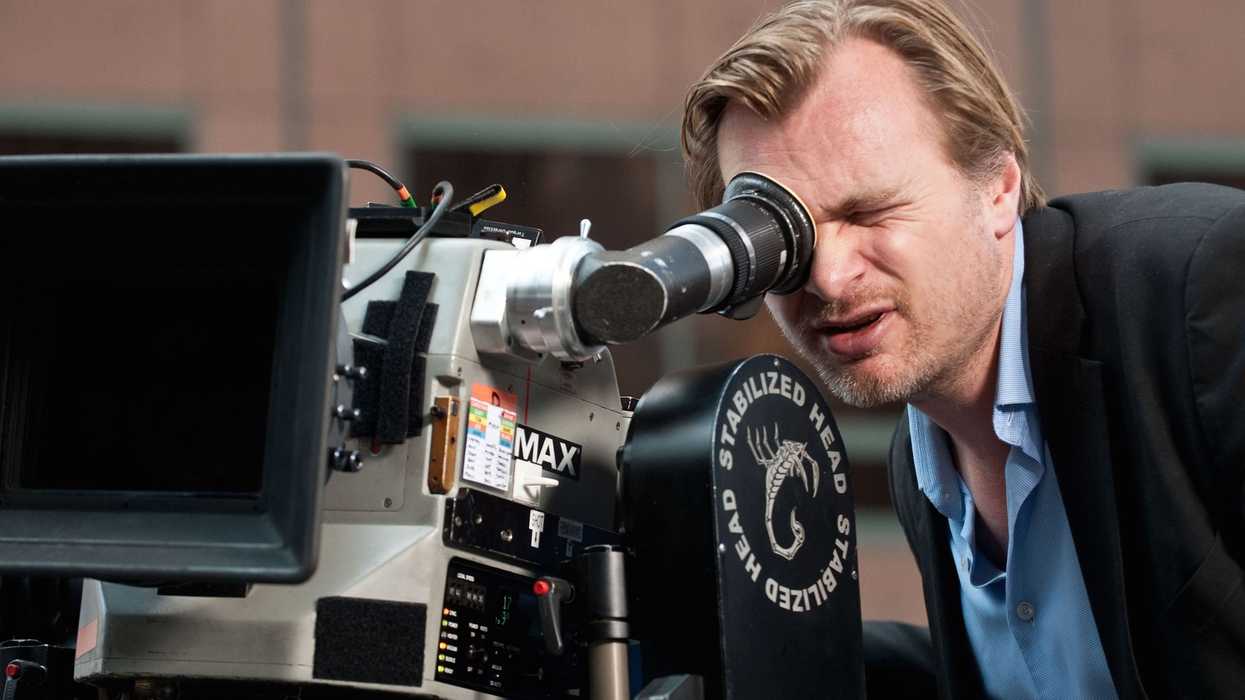
Look, it should go without saying, but we watch a lot of director interviews, MasterClasses, and film commentary around here. Because that's a huge way to learn this difficult art of making movies—how does a director behave on set? What strange rules do they follow (looking at you, Nolan)? How do they talk to actors? How does a director discuss story and achieve their vision?
Filmmaker Theo Gee has a useful way of thinking about this. He's not saying famous directors are wrong. He's saying their advice falls into three categories, and only one of them is safe to absorb without thinking harder about it.
Check out his video here.
- YouTube www.youtube.com
Craft, Career, and Personality
Gee's first bucket is craft. That is, how a director chose a particular shot, directed an actor through a scene, or thought about pacing in the edit.
"That stuff's brilliant," he says, "and you can study that for years, and it will definitely keep paying off." No notes. So we'll keep watching those breakdowns and bringing that advice to you. We've written before about what you can actually learn from director interviews, and the craft stuff holds up.
The second bucket is career. That's how a director got their first feature funded, how they landed at Sundance, how they navigated the business side. Gee's issue here is survivorship bias.
Tarantino was a video store clerk before Reservoir Dogs, so now that's part of the myth. But there were thousands of video store clerks at the time, and we never hear from the ones who didn't go on to direct Reservoir Dogs. They just got other jobs.
Gee also points to something called the "fundamental attribution error," in which people overrate the role of personality in someone's success and underrate the role of context. It's a form of cognitive bias.
Successful directors tend to credit their own choices for what happened, even though much of it was timing and luck. And even when they're being sincere, there's an expert blind spot at work. The better someone gets at something, the worse they get at remembering what it was like not to know it.
As Gee puts it, they're "reverse engineering an explanation that sounds coherent."
The Personality Trap Is the Dangerous One
The third bucket (personality) is where Gee thinks the damage happens, and it's the one nobody warns about.
Watch enough stories about directors burning crews, refusing to compromise, treating producers like obstacles, and you start absorbing the idea that that's the whole job. Is it stubbornness that makes someone great? Do you need to be a diva to survive?
"The personality of an auteur is like a luxury good. It only works once you've built the thing that protects it," Gee says, "which is this body of work and a reputation that means people will put up with you because of that work. Without that protection, what you've got is not auteur energy. You've just got someone who, excuse my French, is a bit of a c**t to work with."
And filmmaking, as Gee points out, is one of the most reputation-driven industries that exists. Almost every job comes from someone who worked with you before, or someone they talked to.
We've made a version of this same case before. Your reputation is your most valuable asset in this industry, and it cuts both ways. The phrase "difficult to work with" doesn't read as "the uncompromising artist" when you're not yet the one calling the shots. It reads as "don't book them again." If you make demands, terrorize your crew, and refuse to compromise, it's a recipe for disaster. (Also, wouldn't you rather have fun doing this? It's hard enough already.)
There's also a quieter cost. Watching enough of this content can make you feel like a failure by comparison. Nolan was shooting his first feature on weekends, Damien Chazelle's Whiplash short turning into one of the most successful directorial debuts ever.
Gee's big takeaway is that none of that comparison has anything to do with the directors themselves. It's just what happens when you consume that content uncritically.
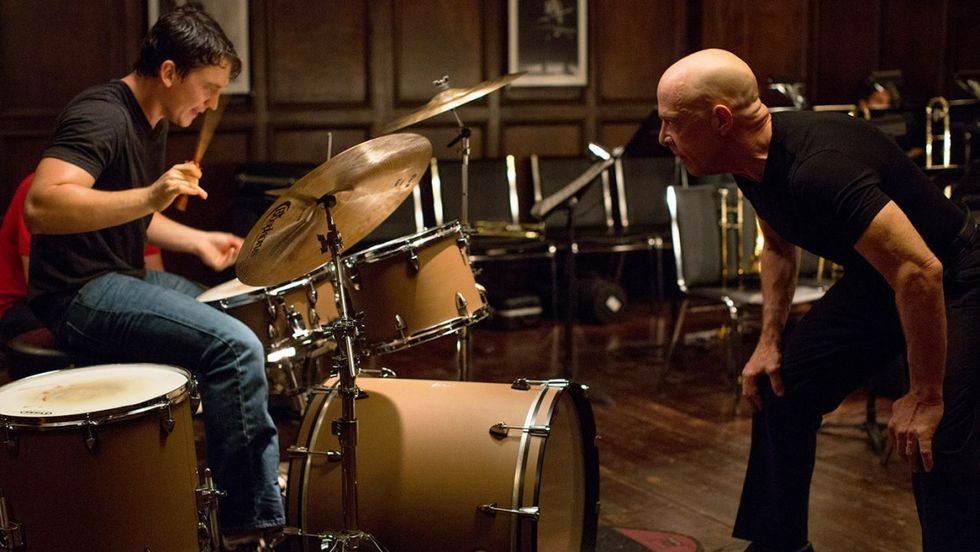 'Whiplash' Credit: A24
The Middle Tier Nobody Talks About
There's a huge middle tier of working filmmakers who almost never get discussed. These are the people making a living doing work that moves people, picking projects they care about, and having weekends or vacations. They're not Christopher Nolan, but they're also not waiting tables. They're working creatives. Maybe they work on commercials or in another form of video.
Gee is clear that aiming higher than that is fine if that's what you really want. But there's nothing wrong with not wanting that either, and building toward it is its own kind of success.
If you're early in your career and trying to figure out what your version of "making it" even looks like, our breakdown of breaking into the film industry is a decent place to start mapping that out.
4 Adjustments to Make
Gee lays out four small shifts rather than a full rebrand.
First, keep watching craft content, but stop treating it as a must-follow roadmap for your own career. Everyone's path is different.
Next, try swapping out at least a portion of the creative and career advice from famous and auteur directors for creators who are one or two steps ahead of where you actually are. Gee name-checks working documentary cinematographers on YouTube over full-time YouTubers who happen to make filmmaker content. But again, watch a variety of stuff and keep learning as much as you can.
Stop modeling your personality on directors you've never been on set with. Model it on the kind of person you'd actually want to work with yourself.
Finally, redefine success in terms you can measure. What's your ideal income range? Are you proud of your last few projects? Are you able to choose your schedule or take breaks? That's all important.
It's less dramatic than chasing prestige. But Gee's right that it's also a lot more useful.