The Philosophy Behind the Most Quoted Line in 'Fight Club'
Tyler Durden’s most prophetic line reveals how consumerism quietly takes over our lives.
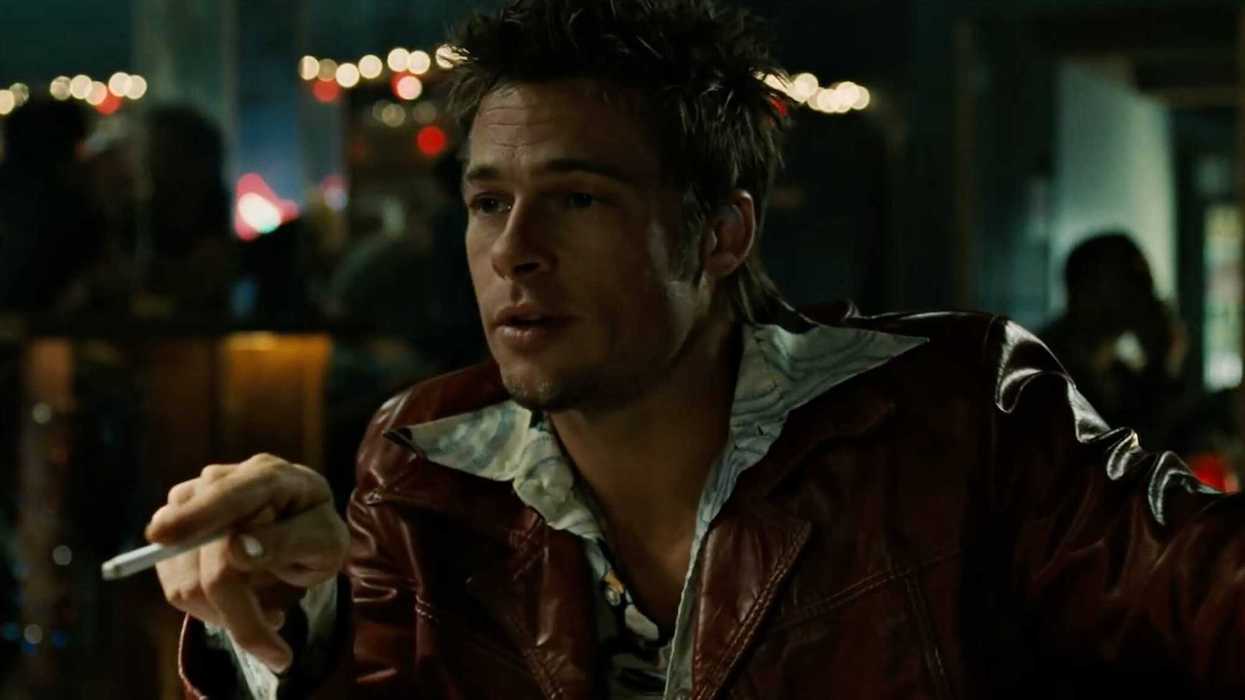
Brad Pitt in a still from Fight Club (1999)
Some ideas, at first, seem ordinary, but as their full meaning dawns upon you, they quickly snowball into a dread or a philosophy of your entire life. In Fight Club (1999), that line is:
“The things you own end up owning you.”
Today, we live in a world where our identities are marked with brand names and come sleekly packaged in boxes. Clothes, gadgets, cars, home decor, credit cards, subscriptions; this “stuff” is what defines us now. We “make a statement” through things we own. We no longer just buy things; we gather collectibles. And we never realize when we start feeling the pressure of becoming the things that we collect. The film stresses this point and asks what happens when you stop being a person and become a walking shopping list.
The line doesn’t ask you to relinquish the comforts or fine things, but it asks you to question your dependence on them. It questions your mindset, not the product.
Aside from its obvious real-world implications (which, I am sure, you can identify with), the quote also parallels the protagonist’s arc and pierces through his war with sanity. The line comes early on in the movie, but it plants the seeds of doubt and rebellion that ultimately drive the narrative.
The Moment and the Line
What Tyler Durden Says
After an explosion destroys the Narrator’s (Edward Norton) apartment and all the “lifestyle essentials” with it, he meets Tyler Durden (Brad Pitt) over a beer. Seeing his consumerist soul worried about losing his material comfort, Tyler says:
“The things you own end up owning you.”
The moment is humdrum, really. Nothing poetic or dramatic about it. But it’s also straightforward. It gives voice to the odd guilt we carry over the modern aspects of our lives, or the apprehension that our collectibles are slowly becoming a responsibility.
Character Context
The Narrator, thus far in the story, is revealed to be suffering from insomnia. He feels unheard and has no emotional outlet. So he frequents various support groups, pretending to have all sorts of random diseases and ailments, just so he can put his head on someone’s shoulders, cry in someone’s embrace, and have someone listen to him. He finds comfort in (or distracts himself through) material things. He buys “stuff” with an “I have to have it” attitude. In short, he is in a place in life where it feels like a catalog page pretending to be a personality.
Tyler, on the other hand, is the exact opposite. He is still not the fight club leader, the messiah, that he goes on to be. He makes and sells soaps. But he has a different perspective that the Narrator lacks. He knows a different route that the narrator has yet to try. He implies that to gain true freedom, the Narrator has to start by cutting his dependence on his “stuff.” Burn it if he has to.
Through the Viewing Glass of the ‘90s
The culture of the late ‘90s was marked by aspects like malls, brands, and personalizing your office cubicle with things to give it your identity. This was as much a routine as it was a trap and a prison. It made you look successful, but felt empty.
Today, the curated apartments have replaced catalog furniture, online shopping has replaced mail order or phone order, and now we have automatic renewals and subscription benefits; the “static wallpaper” may have changed to dynamic, but the quote still resonates.
The Film’s Critique of Consumer Identity
The Narrator’s personality comes across in the IKEA scene, where he reflects on his own consumerist identity. He is literally sitting on the toilet, a catalog in his hands, and phone clutched between his head and shoulder as he orders furniture—the ‘90s version of doomscrolling. Without realizing it, he is mapping his worth through brand names and furniture styles, instead of through experiences or values.
The scene neither intends to call it stupid nor tries to romanticize being broke, but it exposes the cultural trap that wants you to believe that a curated home is the same as a curated life. Possessions are just things until they become necessities and start shaping your choices and making your decisions, leaving no space for “you” to move around.
Real-World Relevance Today
The same idea is alive today, but in different forms. The objects are still relevant, but now we have added to the list things like digital skins, gaming avatars, streaming libraries, curated aesthetics, and phone upgrades. All these things quietly but constantly keep telling us what to aspire for, what to buy, and who to be.
Today’s consumer culture is not only about stuffing your closets and handbags, but it’s also about filling your screens, molding your habits, and adjusting your routines. Our desires are generated, stimulated, and maneuvered by algorithms, social media drops, micro-trends, and a never-ending nudge to remind and prod us to keep on shopping.
This is the age of renting identities, instead of living them. The film’s warning is applicable now more than ever: ownership is not dangerous, but forgetting who is in charge is.
Conclusion
It’s we who possess the things we own, not the other way around. These things cannot define us, unless we let them. The film is only asking to introspect. Minimalism and moral superiority are wonderful—good if you achieve that—but that’s not the movie’s message. Its message is about freedom.
This is a situation where you don’t need to seek answers, at least not elsewhere, but inside you; this situation calls for a question: are you choosing your life, or are you being groomed for the version of it that someone else is choosing for you?
The best takeaway from Fight Club is its message. When you start feeling anxious about losing yourself, or feel overwhelmed by your increasing pile of collectibles, take a step back and remember this message:
Freedom begins when your possessions stop deciding for you.
- David Fincher Says He's Not Responsible for the People Who Don't ... ›
- 10 Screenwriting Lessons from Fight Club (Free Script Download ... ›
- Why Does 'Fight Club' Have a New Ending in China? | No Film School ›
- How Voiceover Saved 'Fight Club' From Being "Sad and Pathetic ... ›
- 10 Screenwriting Tips from the Writers of 'Fight Club' | No Film School ›
- Watch: 'Fight Club' Demonstrates the Visceral Power of Sound ... ›
- Why The 'Fight Club' Special Edition DVD Is Almost Better Than the ... ›
- Watch: Screenwriter Jim Uhls on Adapting 'Fight Club' for the Big ... ›
- The Final Line That Made ‘Fight Club’ Immortal ›
- The Unexpected Production Link Between ‘X-Men’ and ‘Fight Club’ ›