One of the things I've noticed about the last decade in entertainment is that things are constantly changing. You're in a constant battle with people over their attention spans, and we're always losing.
That's because people have phones that deliver news and entertainment, and connections all in their pockets. They scroll on things and lose track of time and even reality.
In addition to all that, there's AI, which people use just to get answers without doing any research or learning anything themselves.
All of this has overflowed into colleges and universities, where professors are not only having a hard time connecting with kids, but also keeping their attention spans.
The Atlantic just did a deep dive on film students and the dire state of the issue.
Let's dive in.
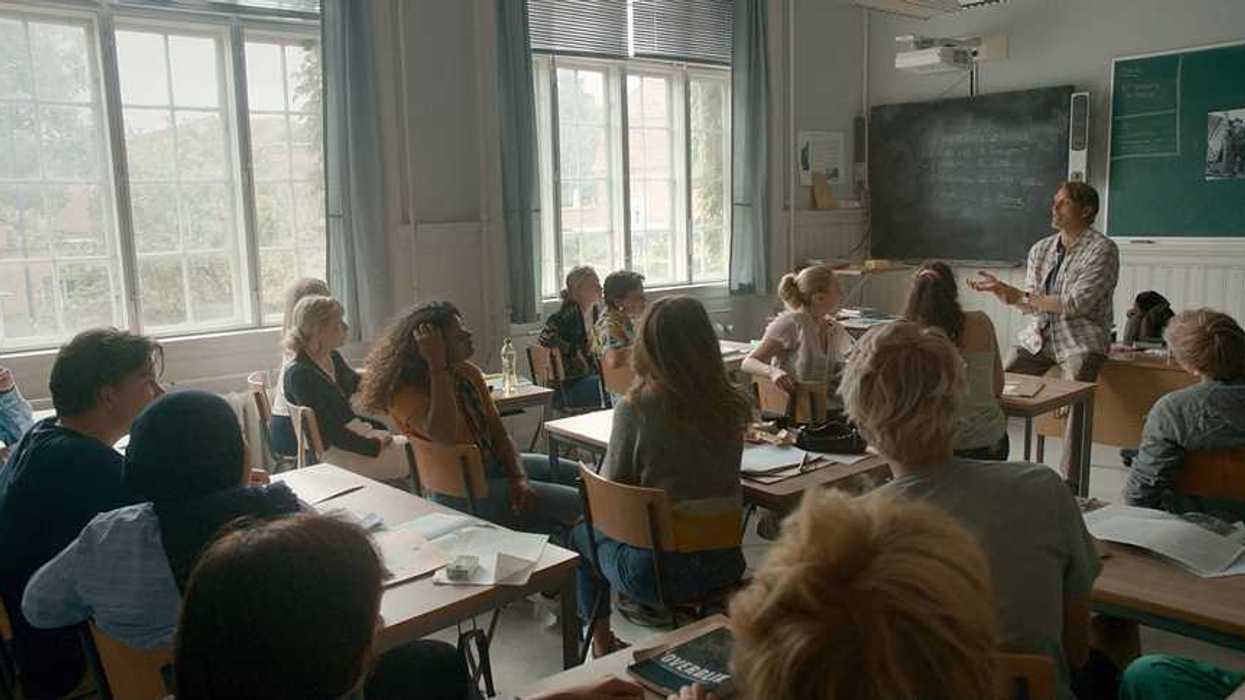
 'Sex Education' Credit: HBO
The Kids Are Not Alright
Last year, I taught a few film classes for a community college, and my experience was a great one. But I hardly walked in there and became Mr. Keating from Dead Poets. In fact, I felt more like I was Wallace Shawn from Clueless, who everyone thought was old and a dweeb.
But here were some kids who embraced the movies and history and had a good time. And maybe that's all you can ask from them.
But it's so different from how it was in my day. Maybe I am old.
For decades, film professors considered "watching a movie" to be the ultimate easy assignment. And when I was a student, I thought it was the "best homework ever".
But in this Atlantic article, we learned that the cinematic experience has become a source of anxiety for students rather than enjoyment.
Here are a few bigger concepts I pulled out to talk about:
The "Withdrawal" Effect
Akira Mizuta Lippit, a professor at USC (home to one of the world's top film schools), compares his students to "nicotine addicts going through withdrawal." During screenings of classics like Francis Ford Coppola’s The Conversation, students fidget, squirm, and eventually succumb to the urge to check their phones.
They are missing the very scenes they were told were essential. I saw this a lot with older movies, even genre ones I thought would hit. Sometimes you need to find newer stuff to teach the same lessons just to keep them in line. But some professors have resorted to just showing scenes and not full movies, which is wild.
The Death of Slow Cinema
Students are increasingly hostile toward "slow" films. Long takes, silence, and deliberate pacing, which you find as the hallmarks of auteurs like Tarkovsky or Ozu, are now often viewed as "boring" or "pretentious" rather than artistic.
This kind of goes to what I was saying, they're so resistant to this stuff, you may have to look for other versions of it, but that's easier said than done. And it shouldn't be so hard to get them to sit for a movie.
Physical Restlessness
Professors in the article described a "palpable" shift in the room. Even when electronics are banned, students often stare blankly or grow visibly frustrated by the inability to skip forward or increase the playback speed.
This just speaks to our addiction to our phones and how it has affected young people who have had them their entire lives.
 'Clueless'Credit: Paramount
The Culprits: TikTok, COVID, and Dopamine
Look, we can play the blame game all we want, but it's really three things we all know that pretty much everyone living in the 21st century is addicted to or suffering from, thanks to societal conditions:
- The Algorithmic Loop: Apps like TikTok and Instagram Reels have rewired the brain to expect a new "reward" or dopamine hit every 15 to 60 seconds. Compared to this high-frequency delivery, a 90-minute narrative arc feels like an eternity.
- The Pandemic Hangover: Years of remote learning normalized "second-screening." Students became accustomed to having a movie on one window while scrolling social media or playing games on another. The ability to focus on a single, uninteractable screen has atrophied.
- The "Productivity" Trap: Modern students are under immense pressure to be "efficient." Spending two hours on a single piece of art without multitasking feels, to some, like a waste of time or a "low-yield" activity. These kids are always trying to max out, and watching an old movie doesn't feel like that to them.
The Pedagogical Pivot
We know the problem, but there have been a lot of ideas about solutions out there. The idea that people are showing scenes instead of full movies is so annoying to me, because it defeats the purpose of the art form.
Professors from the article are pretty split on ways to solve this crisis.
Some professors, like Malcolm Turvey at Tufts, have doubled down on "dark room" screenings. Basically, it's the idea that the struggle to pay attention is itself a necessary part of the education.
It's an unapologetic version of locking the phone up and making them do what you want. This is probably my preference as well, when given a choice.
They argue that film is a "time-based art" and that shortcutting the experience destroys the art itself.
Then you have the people on the other side who are just giving in, because they feel like the best way to get these lessons to kids is to adapt to their needs.
They are shortening their syllabi, opting for clips instead of full features, or selecting more "high-octane" contemporary films to keep students engaged.
The true answer might be a mix of all this stuff. And I think starting with a "No Phones" policy and then pivoting to newer films seems like a compromise that everyone can get behind.
But maybe it won't work. And maybe it's only going to get worse.
Why This Matters To Filmmakers
The article argues that this isn't just about "kids these days" being distracted. It represents a fundamental shift in how humans relate to time and narrative.
We're making movies for wide audiences, well, what if the wide audience is a bunch of idiots with attention span issues?
How do we sell our stories then?
And if film students, who are supposedly the future creators of our culture, cannot engage with long-form storytelling, the very nature of cinema will change.
As an old man yelling at the sky, it seems like it's changing for the worse. I feel like this is a shift ot content and junk food for the brain, like we're locked in Idiocracy.
Summing It All Up
The article freaked me out, and it also kind of put a boot in my ass about teaching. I have been trying to teach more college classes, and now I want to go in with a real policy and pick films that I hope can engage and teach. I want to break the trend.
Film professors are on the front lines of a battle to save the human capacity for boredom, and the very state from which deep reflection and creativity usually spring is at stake.
Will we win out?
Let me know what you think in the comments.