The best crime movies of the 1980s can be the epics on the rise and fall of anti-heroes (Scarface) or the mysteries that dig into small-town secrets (Blue Velvet). But what about the ones that fell through the cracks?
There are hidden gems from the decade that didn’t receive the attention or the enduring legacy that they deserved, and five of them are on this list. Each one takes you into the underbelly of Los Angeles, New York City, and Paris. Gena Rowlands and Michael Caine are famous faces who play dangerous characters. And you can expect the police to be as corrupt as the mobsters roaming the streets.
Don’t let these crime movies be forgotten any longer.
1. Gloria
Release date: October 1, 1980
The family of a Puerto Rican boy is killed by the mob, leaving him under the protection of a reluctant neighbor, who is stuck as his surrogate parent and bodyguard.
 ‘Gloria’ (1980)Credit: Columbia Pictures
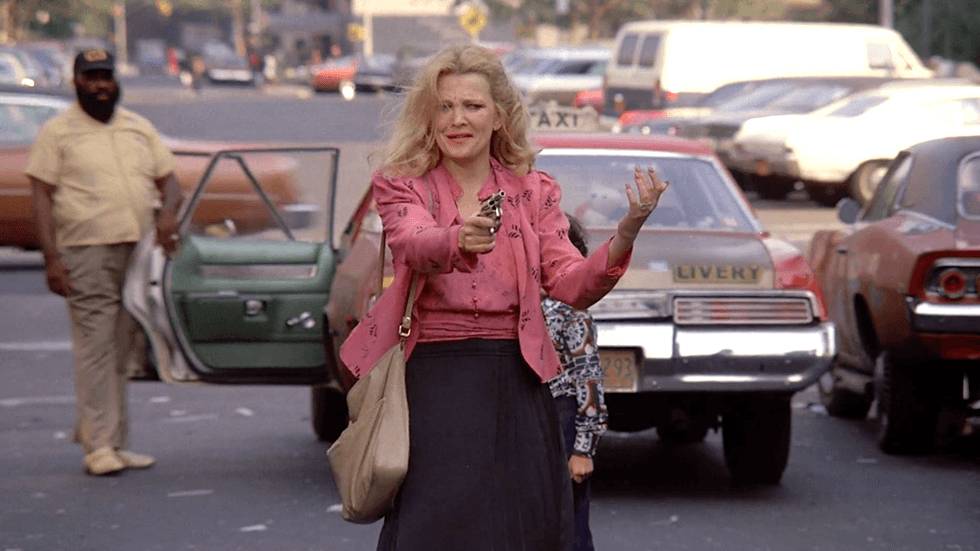
Directed by John Cassavetes, known for A Woman Under the Influence, which starred his wife, the legendary actress Gena Rowlands, Gloria is a crime thriller set in a gritty New York City where, if you lower your defenses, you won’t stay alive for long. In the titular role, Rowlands is unapologetic and brassy. “I got my gun. It’s nothing for me to blow someone’s brains out, believe me,” she says, and you believe it.
When Gloria isn’t ambushed by mobsters trying to get to Phil (John Adames), she grows closer to him even as he aggravates her. Rowlands is outstanding, although Phil’s character might be a hit-or-miss with audiences. Cassavetes writes him with mature dialogue that doesn’t fit his age, but the boy is supposed to be too macho for his own good. Gloria is worth the watch to see the mobsters chase the main duo through the apartments and subways of NYC, and see its leading lady become a one-woman threat to anyone who dares to get the boy.
2. Diva
Release date: March 11, 1981
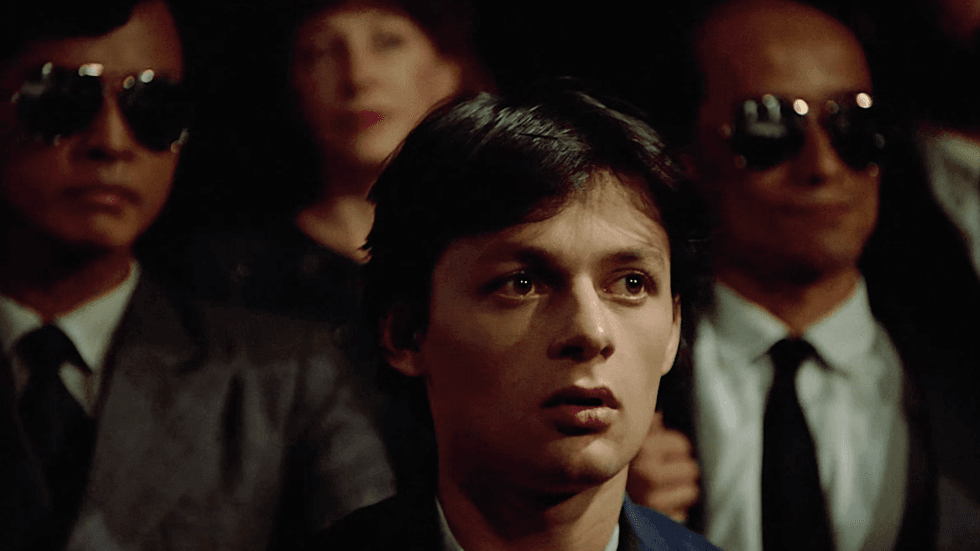
Pirated opera recordings, knife-throwing henchmen, and police corruption blend in this arthouse mystery.
 ‘Diva’ (1981)Credit: StudioCanal
Jules (Frédéric Andréi) is a young opera-loving postman in Paris who secretly records his favorite singer, Cynthia Hawkins (Wilhelmenia Fernandez). Soon after, he runs into a frantic woman on the street, who hides an incriminating recording in his bag. With two different recordings that two different parties will kill for, Jules becomes a wanted man in the City of Light.
Directed by Jean-Jacques Beineix, the languid first half plays out like a romantic drama as Jules gets to know Cynthia and introduces a cast of odd characters. Blue is a recurring color in the lighting, wardrobe, and set design that brings Diva closer to “style over substance.” If you stick it out, you will reach the unexpected action scenes in the second half: a car chase through the Parisian streets is one highlight that pays off the viewer’s patience.
3. Vice Squad
Release date: January 22, 1982
 ‘Vice Squad’ (1982)Credit: Avco Embassy Pictures
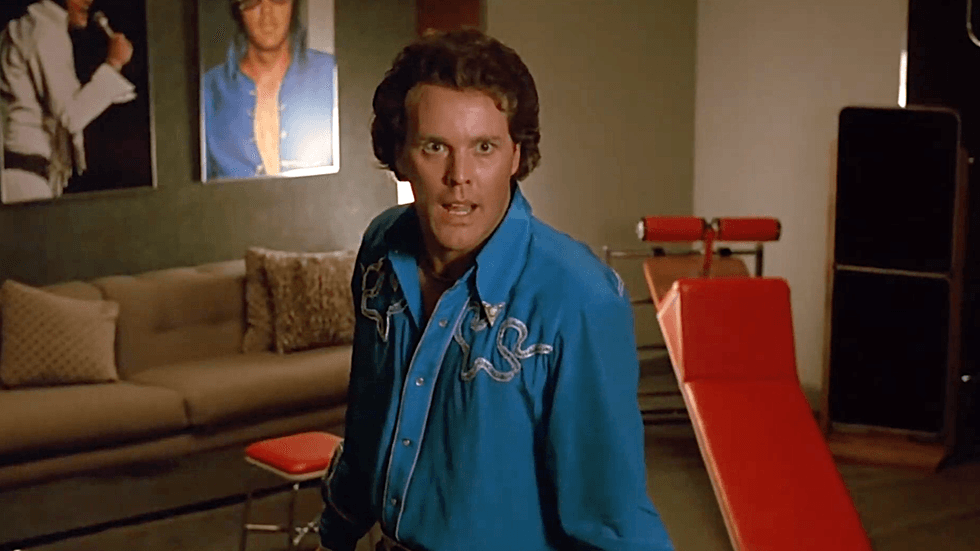
“Everybody’s drownin’ in the neon slime!” These lyrics from the opening song are heard over a montage of L.A. nightlife, where cops arrest prostitutes. It’s also performed by actor Wings Hauser, who had his breakthrough role by playing this movie’s despicable villain.
Princess (Season Hubley) is a sex worker forced by the LAPD vice squad to go undercover and help them catch the vicious pimp, Ramrod (Hauser). When he escapes police custody, Ramrod goes to find Princess to seek revenge. Taking place over one night, there are kinky clients and an out-of-nowhere comedic scene where a pair of obnoxious cops get beaten by an older man. But for all the eccentric touches, this is a very dark crime story.
The distressing scenes of sexual violence stop short of being graphic, but it’s enough to be unsettling. Responsible for the horrific acts is Ramrod, and Hauser portrays him as a misogynistic monster. The vulgarity from the cops makes them less heroic, with many eager to get their hands dirty. “Come on scumbag,” one tells Ramrod during his arrest, “make your move and make my day!” But these officers are the only ones who can save the day, leading to a tense and memorable chase, where they use their radios to coordinate who follows behind Ramrod’s speeding vehicle.
4. Deathtrap
Release date: March 19, 1982
 ‘Deathtrap’ (1982)Credit: Warner Bros. Pictures
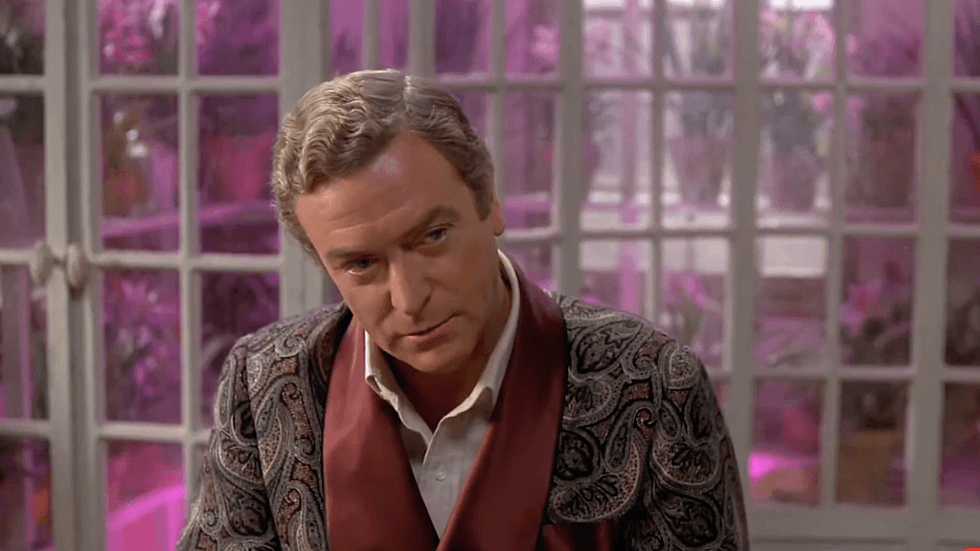
Playwright Sidney Bruhl (Caine) is at a low point in his once lustrous career, and his anxious wife Myra (Dyan Cannon) cannot console him. Putting salt in Sidney’s wound is the draft he receives of a mystery play written by his former student, Clifford (Christopher Reeve), a draft that is so good Sidney feels he could kill for it. This sets up the first 20 minutes, leaving the rest of the runtime to be a darkly funny thrill ride of surprises.
Except for a few limited scenes, Deathtrap is confined to Sidney’s lavish, secluded home, fit with great visuals. A brick fireplace lies in the middle of the main floor, a corner office has a wall lined with real weapons and fake props, and a master bedroom is at the top of a windmill tower. Adding to the funhouse quality is how this movie is about plays; it’s staged like a two-act play, and the screenplay is adapted from a play.
Never heard of Deathtrap? Stay in the dark so you can be treated to all its zigzagging plot twists in a powder keg of a story where greed and jealousy set off the deadly fuse.
5. Angel Heart
Release date: March 6, 1987
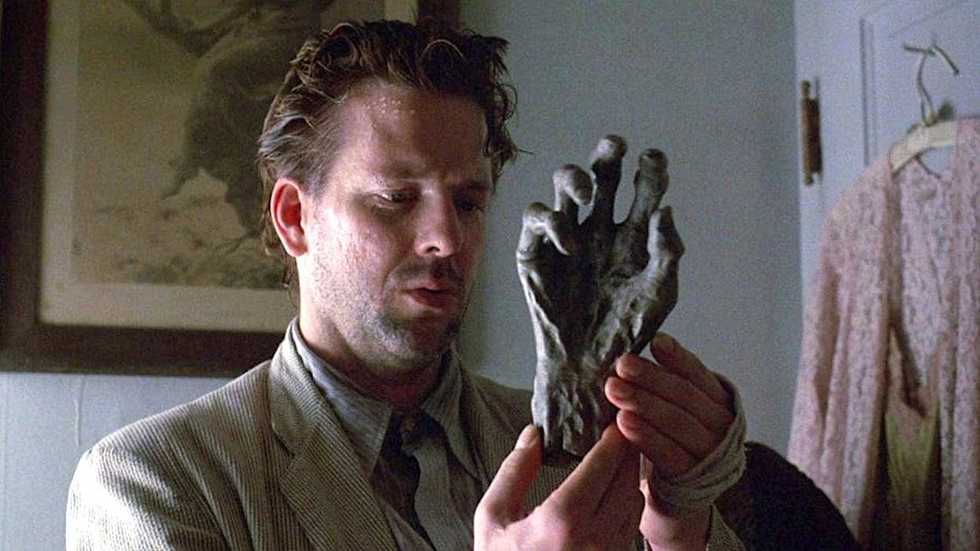
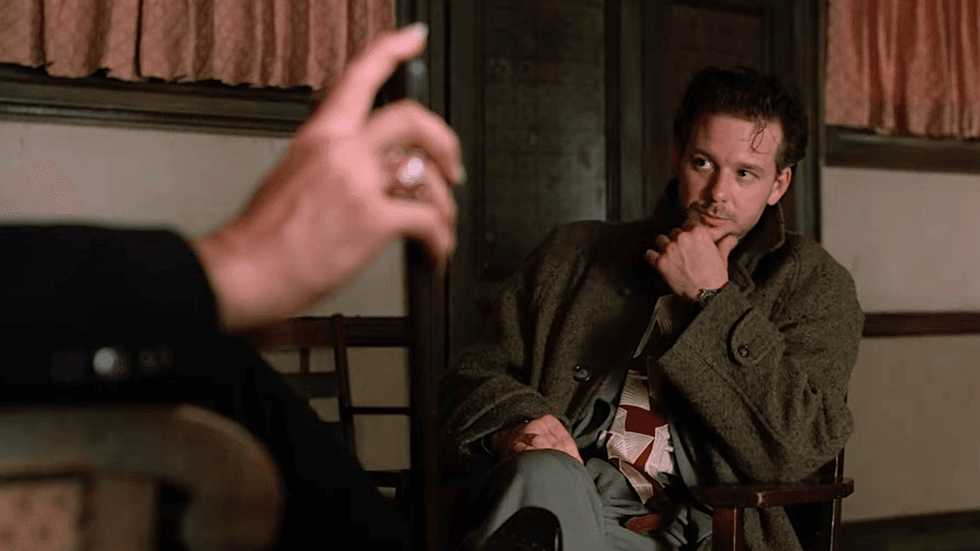
1955, New York City. Private investigator Harry Angel (Mickey Rourke) is tasked with finding a missing crooner named Johnny Favorite. When he descends into dark magic and murder, this neo-noir/horror story gives Rourke one of his best roles.
 ‘Angel Heart’ (1987)Credit: Tri-Star Pictures
The flirty personality to Angel when he meets any woman in his path is left behind as he increasingly unravels into a tormented mess. If he isn’t fleeing from men who want him off the case, he’s left overwhelmed and confused by dreamlike visions which he doesn’t know are real or not.
The man who gives Angel the assignment is none other than an elegantly dressed Robert De Niro, whose performance carries a subdued, insidious tone. How he cracks open an egg to eat can make Angel nervous. By taking the shape of a neo-noir with classic tropes, Angel Heart twists itself into a phantasmagoric Southern Gothic.