When you are writing a story, there are a few unspoken rules that you agree to. Namely, that you as author are positioning yourself as an observer of some kind (omniscient, most likely) retroactively sharing the events that you've "seen," fictional or not. In screenwriting, you almost put yourself in the audience's shoes to relate what they will see.
Sometimes you use what's known as a framing device to help you in your storytelling. A framing device is how a script answers who is telling the story, when, and why. It's a device that positions your storyteller more clearly, sometimes as a character.
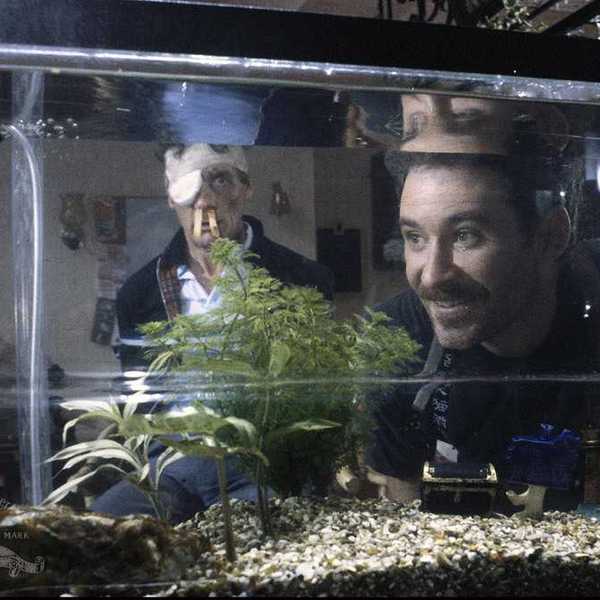
In Interview with the Vampire, the framing device is that a vampire is telling his story to an interviewer. In The Princess Bride, the grandfather reads the story from a book that we can visualize as the movie. In The Grand Budapest Hotel, there are a couple of layers—a girl in a cemetery reads a book, and then we enter the book's author's point of view, who speaks with Zero Moustafa, whose perspective we're in for most of the film. (Whew.)
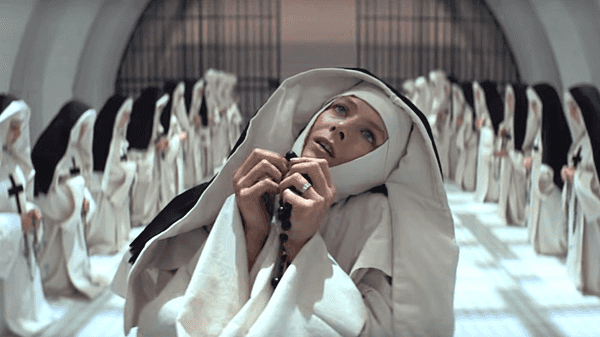
The point is, you can get creative. And the horror genre is one area where filmmakers get very creative. Most films never draw attention to these devices. The ones that do, through voiceover, a confession, or a camera someone forgot to turn off, are making a promise about how the story reached us.
This week, during a YouTube scroll, my algorithm brought me to Roughest Drafts' video about a framing device he hates in horror storytelling. This device shows up a lot in creepypastas, but I think it's worth looking at no matter what you're writing.
Watch the video below.
- YouTube www.youtube.com
When the Framing Device Breaks
This trope is common in online writing. You've followed a character's journey, then suddenly you learn at the end that they're supposedly writing down their tale in real time. In this example, the character has fled a witch and is hastily jotting down her final thoughts, with a wish that someone finds it someday.
This trope doesn't work in these settings because it's a rug-pull. If an entire story is written traditionally, with dialogue and punctuation and detail, it requires a huge suspension of disbelief to think a person, this character, would take time for all that.
"If you were in a horror movie scenario and you had your final moments to write out what happened to you, not knowing when death might come, how deeply would you embellish your story?" Roughest Drafts says.
"If anyone finds this" has become a trope within creepypastas because these writers often want their readers to believe everything is "real," but it achieves the exact opposite feeling. It feels more fake and silly.
Your Frame Is a Contract
So why does this matter for screenwriting and making film and TV? It matters because if you frame your story one way and then suddenly turn it into something else, you risk losing your audience.
And audiences might accept the supernatural, but the ordinary parts of the story still have to hold up. If the framing device doesn't make sense, the whole thing can fall apart.
Voiceover is one of the most common framing devices in film, and it makes the same kind of promise. Does it make sense for the character to reflect on this story? Why are they telling it to the viewer or another character?
Remember Crimson Peak? It opens with Edith stumbling through the snow and telling the viewer in voiceover, "Ghosts are real. This much I know." The entire movie is a "real-life" experience that inspires her to write a published gothic novel titled Crimson Peak. Her voiceover is the novel. Edith is a writer, so the story is hers to tell.
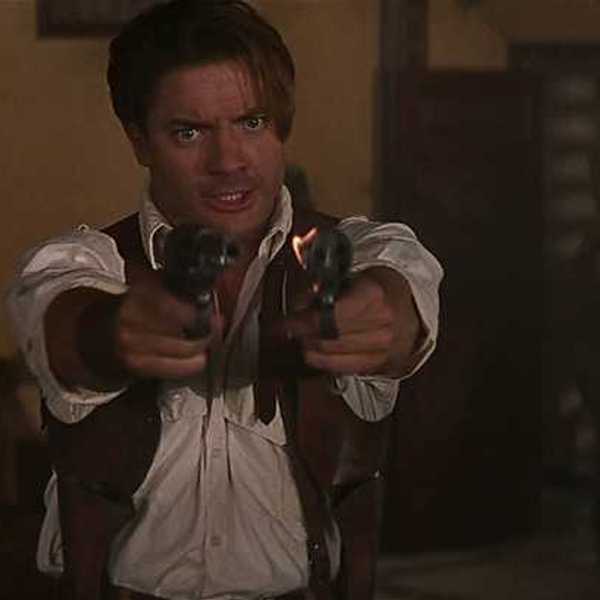
In horror, found footage is another common framing device. Think Blair Witch, or Cloverfield, or Paranormal Activity, or The Visit, or many others. Someone has to be filming, and they need a reason to keep going. [REC] establishes a news crew entering a building, for example. Blair Witch is a student film crew.
You shouldn't pick found footage as your frame unless it really makes sense. The person holding the camera needs a reason to be recording.
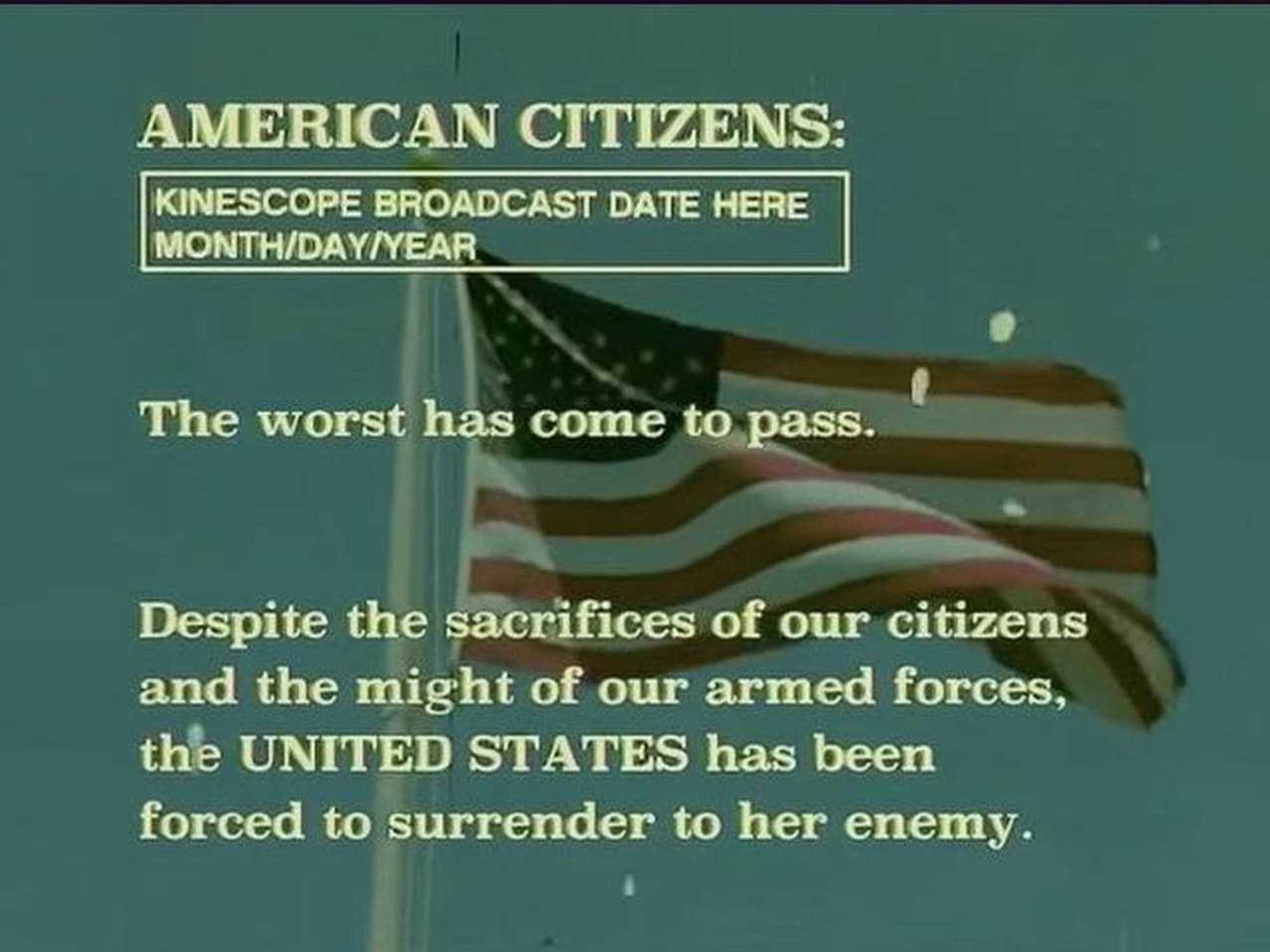
As Roughest Drafts points out, it's best to establish your framing device early, we'd say in the first 10 or so pages. That applies whether it's voiceover, a camera, or a desktop. If it shows up in act three, it will feel like a cheat.
 Credit: LOCAL58TV/YouTube
Adapting Internet Horror Means Adapting the Frame
Let's say you want to adapt a popular online story into a film narrative. The online story may have started as a creepypasta, an alternate reality game (ARG), or an analog horror series. Like, say, The Backrooms.
If you watch analog horror, you know that many of them are presented as old tapes or discoveries after the fact. Viewers are often encouraged to investigate and theorize, giving them that ARG element. If it's a series, the entries are dispersed over long periods, sometimes years.
That's something you just cannot do in a traditional film narrative. And Kane Parsons, who helped popularize Backrooms lore, opted to tell a more traditional story in his film version of the Backrooms while incorporating some of its found-footage elements in a way that made sense. Thank goodness.
But going with a traditional narrative doesn't always mean success. In 2017, BuzzFeed artist Adam Ellis posted a Twitter thread that went viral, chronicling in real time his encounters with the ghost of a boy named Dear David. I loved this thread. It was so fun. This story gets away with its "as it happens" framing because it was established that way from the beginning, and it fits the platform.
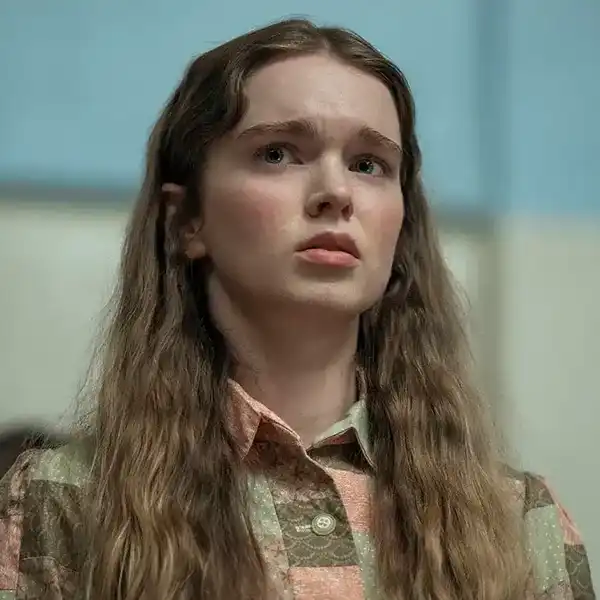
But then John McPhail directed a film adaptation in 2023, and it just couldn't capture that feeling. Roger Ebert said the film couldn't recreate the dread readers felt following Ellis' posts live. Paste agreed that Ellis' original tweets and phone videos were scarier. (I'd say Zola, while not horror, is a better example of a Twitter thread transferred to film.) The film simply lost what made the thread fun.
If you ever get the opportunity to adapt an internet horror story, the delivery mechanism is part of the IP, so you need to figure out what it was doing for the story and find a screen equivalent.