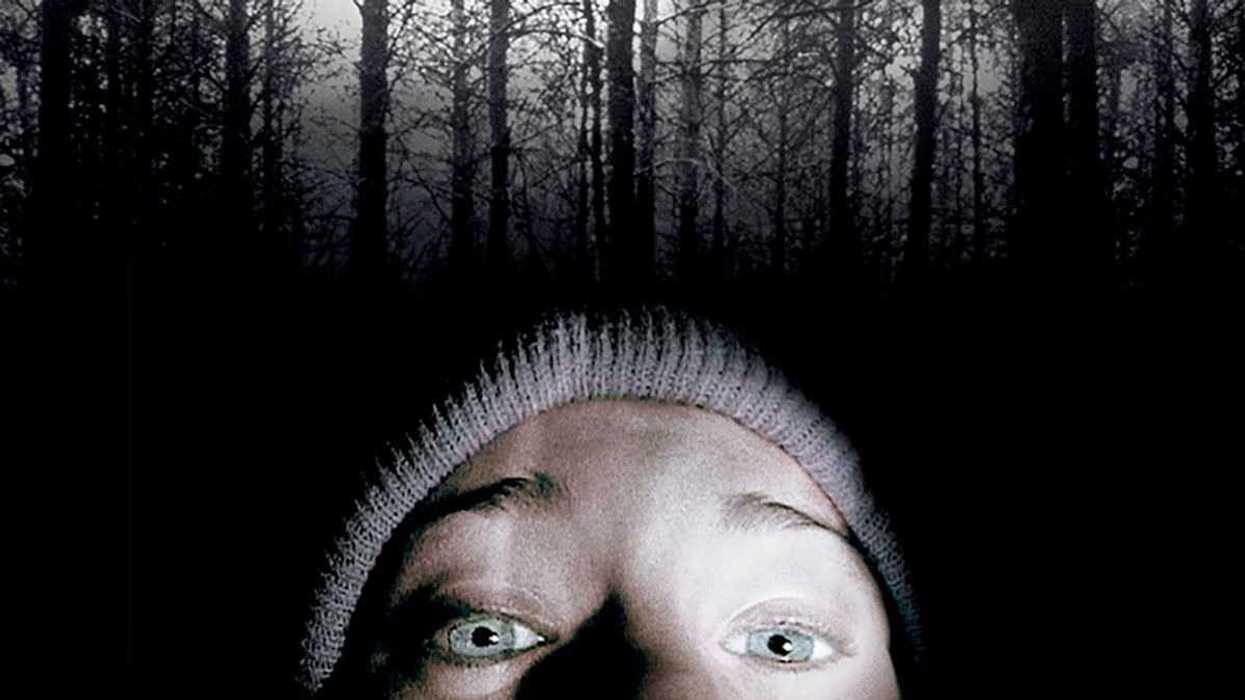
For The Blair Witch Project to work its magic on the box office, people needed to believe that the story was real.
Presented in found-footage style, the movie's horror quotient relies heavily on the narrative’s rootedness in reality. That’s what directors Daniel Myrick and Eduardo Sanchez leveraged when marketing the film.
In this article, let’s examine The Blair Witch Project’s ingenious marketing strategy that convinced audiences that three students went missing after they went into the Maryland Woods to look for a legendary local witch.
The Blair Witch Project and Found Footage Filmmaking
To understand the motivation behind the marketing strategy, it is important first to examine the movie’s approach.
 'The Blair Witch Project'Source: Summit Entertainment, Filmflex, Artisan Entertainment
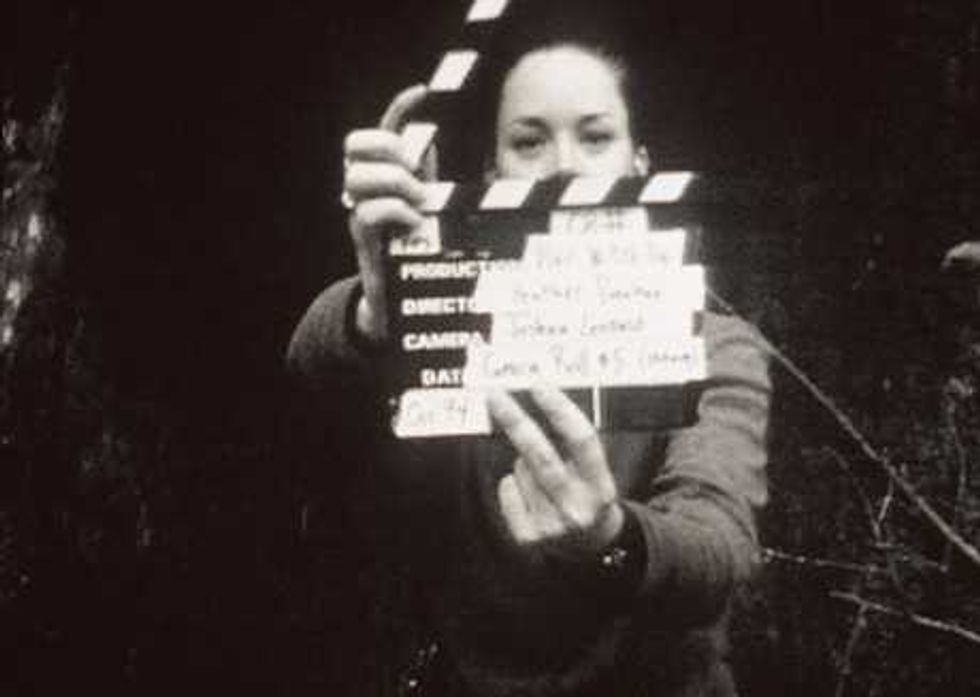
The Blair Witch Project presents the story of three filmmaking students who go to the Maryland Woods to make a documentary on the Blair Witch, only to vanish into thin air. Their story is later revealed through footage from their Handycam, which was rescued from the woods.
Every piece of footage is accompanied by the voiceover of the troupe leader, Heather, who is also the documentary's director. Along with her are camera operator Josh and sound recordist Michael.
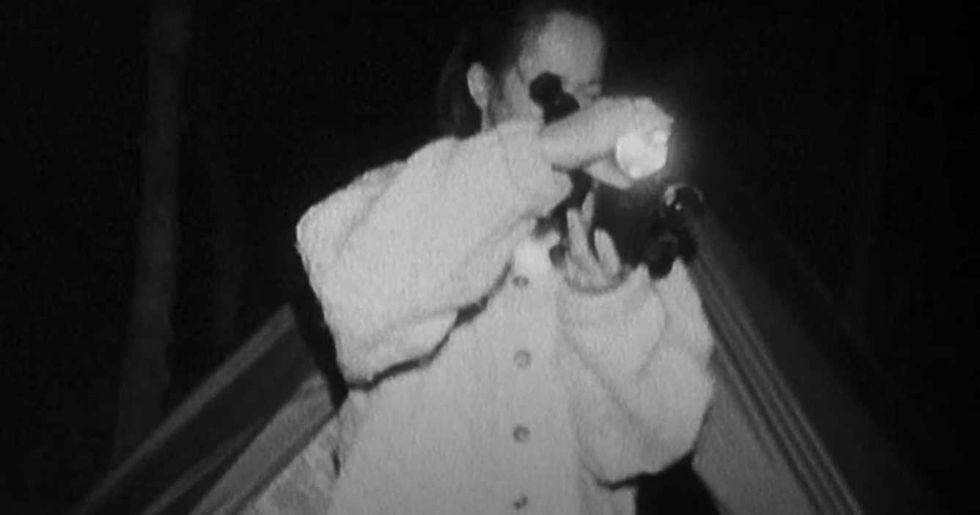
Myrick and Sanchez steer clear of showing any gore or death explicitly in The Blair Witch Project, toying with our fears by leveraging our fear of the unknown and the invisible. The three come across multiple items that suggest the presence of an ominous and dangerous entity around them, but with no outright proof in hand, they are left desperate. At the same time, they find themselves lost in the woods, with minimal resources and no map.
The combined threat of the supernatural and the wilderness heightened the horror in The Blair Witch Project.
The Marketing Strategy of The Blair Witch Project
 'The Blair Witch Project'Source: Summit Entertainment, Filmflex, Artisan Entertainment
The Blair Witch Project was released in 1999, during the period of digital transition. The world was just getting used to the internet, using it at school, libraries, and offices. Not everyone had internet access at home. Nobody had internet access on their phones like we do today. So, if you heard a particular news story, you wouldn’t be able to check its credibility right away.
If we were in 1999, and you told me a totally real story in a convincing way, with details that make sense, I’d probably believe you.
Probably that’s what favored The Blair Witch Project’s marketing strategy the most.
Who doesn’t love a good horror story that’s real? Its virality was practically guaranteed.
The director duo ran a campaign presenting their movie's story as a real incident. They created a hoax around the disappearance of three adolescents who went into the woods and went missing after they were seemingly attacked by a supernatural entity.
Myrick and Sanchez made a promo that aired before the theatrical release (after the movie was released at Sundance).
The actos’ plight was presented with such conviction that it tricked many into believing it was true. Rumors have it that an Albany police officer offered to help find the missing kids. The story was also supported by missing-person posters distributed at colleges and public places. The promotional campaign even listed the actors as “missing, presumed dead” on IMDb during the film's first year of release.
They also backed the story with a real website that featured a compelling narrative, pictures, sound bites, and random clues about the incident that people could refer to if they wanted. It was an early version of an alternate reality game experience.
The website also made it easy to share the news. Not like everyone believed it, but the hoax definitely sparked intense conversations, which only added to the buzz.
Would you market your film like The Blair Witch Project did? Let us know your thoughts in the comments.
- Scary Good Filmmaking Wisdom from 'Blair Witch' Director Daniel Myrick ›
- State of Horror: 'Blair Witch' Co-Director Talks Tech, Terror, and Tomorrow's Filmmaking Landscape ›
- Did You Know? This Iconic Indie Horror Movie Had Almost No Script ›
- The Horror Movie That Terrified Audiences Without a Single Kill ›
- How 'The Blair Witch Project' Changed Horror with Cheap Shaky Cameras & Genius Marketing ›
- Who's Telling Your Story? The Framing Question Horror Writers Keep Getting Wrong | No Film School ›