7 Most Iconic Fashion Films of All Time
These films are as much about the realities of life, as much as they are about high-end fashion.
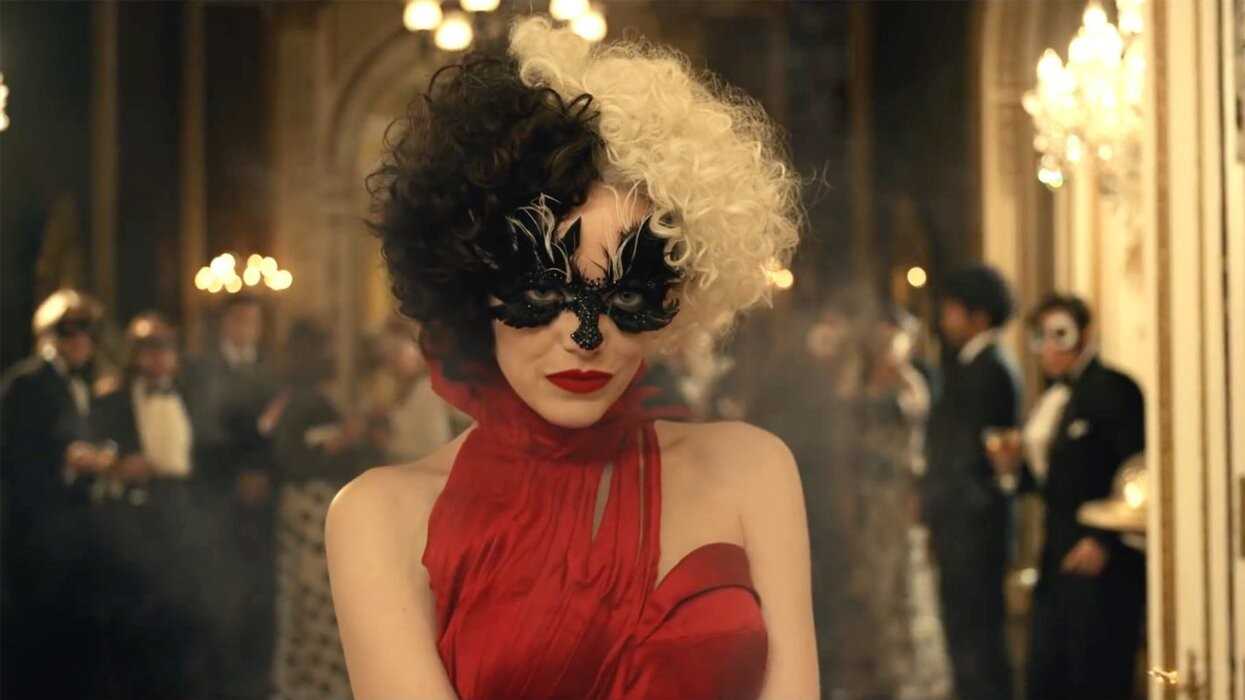
Cruella (2021)
Remember the “cerulean blue” monologue by Meryl Streep in The Devil Wears Prada? Well, I think that knocked some sense into a lot of us who took pride in underestimating what clothes can do for us.
For the longest time, I believed that fashion films were not my cup of tea (since I’m one of those who purely dress for comfort), until I realized that behind pretty dresses, on-point makeup, sleek hair, and stilettos, fashion films mirror societal changes. While they set new trends and inspire new fashion standards, these films also promote inclusivity and representation, offering visibility to both diverse cultures and marginalized communities.
So, if your exposure to fashion films is limited to The Devil Wears Prada, here is a list of the best fashion films that are sure to hit the mark.
7 Best Fashion Films
1. Mahogany (1975)
A story of transformation, love, and ambition, Berry Gordy’s Mahogany follows Tracy Chambers (Diana Ross), a young, ambitious woman from Chicago, as she strives to realize her dream to become an internationally acclaimed fashion designer. Tracy’s journey not only captures her hustle but also explores gender inequality and racism with nuance, highlighting how it’s never been easy for women. Not only is each piece of clothing a statement in itself, but the movie features some of the most iconic quotes that have become a part of pop-culture vernacular.
2. Funny Face (1957)
While most people can only dream of becoming a supermodel, what happens when fashion finds you? Stanley Donen’s Funny Face is a timeless musical that centers on a simple bookstore sales girl, Jo (Audrey Hepburn) who ends up becoming the muse of Maggie Prescott (Kay Thompson), a leading fashion editor, and Dick Avery (Fred Astaire), a fashion photographer, after they discover her talent for modelling in an impromptu fashion shoot at the bookstore.
Jo’s transformation from a nerdy individual to a Parisian model satirizes the superficiality of the idea that beauty and intelligence are mutually exclusive. Jo’s journey showcases how authenticity can co-exist with glamour. The film is seminal in how it interweaves fashion and cinema, influencing generations of designers and filmmakers. At the same time, the film is a credible depiction of the fashion industry owing to Richard Avedon’s close involvement as “Special Visual Consultant.”
3. Prêt-à-Porter (1994)
Set against the backdrop of the Paris Fashion Week, Robert Altman’s Prêt-à-Porter (Ready to Wear) is a satirical comedy that takes a dig at the Paris fashion industry. The narrative critiques the vanity, superficiality, and betrayal within the insular and extravagant fashion industry with humor, by intertwining the personal and professional lives of ensemble characters.
Although the film didn’t perform too well at the box office, Prêt-à-Porter (1994) is an ambitious, star-studded satire that spotlights the chaos, glamour, and absurdities of the fashion industry, by giving us unprecedented access to the behind-the-scenes of the Paris Fashion Week. The film is widely considered to be a notable time capsule of the 90s haute couture and fashion culture.
4. Coco Before Chanel (2009)
A dramatic biography of Gabrielle “Coco” Chanel (Audrey Tautou), world-renowned French fashion designer, Anne Fontaine’s Coco Before Chanel, is more focused on Chanel’s life before she tasted success (although it covers it all). Through the life story of a global icon, the narrative explores independence and a desire to break free.
Fontaine’s narrative humanizes Coco Chanel, presenting her as a flawed yet admirable woman who emerged out of poverty and revolutionized fashion forever. Special mention to Catherine Leterrier’s impeccable costumes that won her a César Award.
5. The Neon Demon (2016)
A soft swerve from quintessential fashion movies, Nicholas Winding Refn’s The Neon Demon is a psychological horror that delves into the dark and fatally competitive nature of the fashion world, through the journey of a 16-year-old, Jesse (Elle Fanning), who arrives in L.A. with the dream of becoming a successful model. The narrative explores beauty as both power and a toxic obsession, culminating in the literal consumption of the beautiful.
The movie also vividly etches out the dark side of ambition and desire. Fanning’s portrayal of Jesse is haunting, as she balances Jesse’s vulnerabilities with her emerging menace, anchoring the film emotionally. The Neon Demon is distinguished for its vibrant, neon palette and masterful use of mirrors, reflections, and geometric shapes as visual motifs.
6. Phantom Thread (2017)
Paul Thomas Anderson’s Phantom Thread explores themes of love, obsession, and power dynamics between two lovers against the backdrop of 1950s London haute couture. Starring Daniel Day-Lewis and Vicky Krieps as Reynolds Woodcock, the emotionally guarded dressmaker, and Alma Elson, his muse and lover, Phantom Thread is notable for its nuanced exploration of the complexities of romantic relationships and artistic obsession.
Not to mention, the film is especially close to Day-Lewis's fans, as the movie marks his retirement from cinema. Not a hardcore fashion film when compared to The Devil Wears Prada, Funny Face, or Mahogany (although it is centered on a talented and obsessive dressmaker), the costumes in Phantom Thread are one of the biggest highlights of the movie and won Mark Bridges the Academy Award for Best Costume Design in 2018.
7. Cruella (2021)
Call it a stretch, but I live for such experiments. Cruella is Disney’s fantastical take on the fashion world via a 101 Dalmatians prequel that tells the origin story of the original film’s villain, Cruella. The narrative traces her early life as a renegade fashion designer who challenges the soft, floral 1960s London style with her dark and dramatic choice of fashion. The film beautifully externalizes Cruella’s inner flames through her style and designs, characterizing her journey by defiance against social norms.
Emma Stone is dynamic in her portrayal of both Estella Miller and Cruella de Vil, embodying both the former’s vulnerability and the latter’s flamboyance and audacity with poise and fire. In addition to its inclusivity of queer characters and diverse friendships, Cruella freshly reframes a classic Disney villain, establishing Cruella as a symbol of creative rebellion, feminist ambition, and self-empowerment.
Did your favorite movie make it to this list? Which of these have you watched?