Inside 25 Years of Tribeca: What Independent Filmmakers Need to Know
“Programmers want to discover films. They live in fear of missing something amazing. They want to build those relationships.”
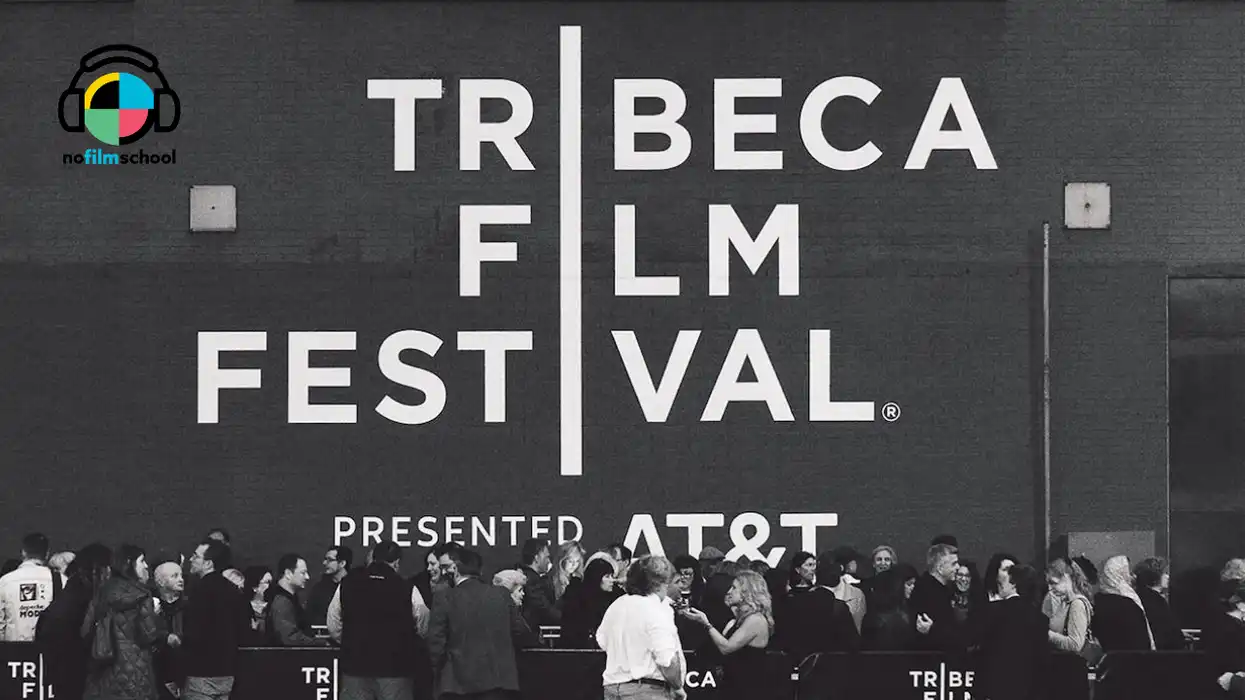
In this episode of the No Film School Podcast, Tribeca Festival Director and SVP of Programming Cara Cusumano joins host GG Hawkins to reflect on 25 years of Tribeca and explain what independent filmmakers should understand about today’s festival landscape.
Cusumano discusses Tribeca’s evolution from its post-9/11 roots into a multidisciplinary storytelling festival, how programmers evaluate nearly 14,000 submissions, why filmmakers should build relationships with their peers instead of chasing gatekeepers, and how festivals are responding to shifts in film distribution and audience behavior.
She also shares how emerging filmmakers can participate in festival communities even without a film in the lineup and why creating distinctive work matters more than waiting for the perfect opportunity.
In this episode, we discuss:
- How Tribeca’s founding mission of community, connection, and celebrating movies has endured across 25 years
- Cara’s path from attending the first Tribeca Festival as a film student to becoming Festival Director and SVP of Programming
- Why networking is really about building relationships with your contemporaries and growing together throughout your careers
- How programmers view filmmakers and why they are actively looking for work to champion rather than trying to keep filmmakers out
- What makes a project feel distinctly right for Tribeca, from independent storytelling to memorable audience experiences
- How Tribeca manages and evaluates nearly 14,000 film and project submissions
- Why passionate advocacy inside the programming room can matter even when programmers disagree about a film
- Why festival feedback is complicated and how programming decisions can depend on the composition of the entire lineup, not simply the quality of an individual film
- How Tribeca expanded beyond features and shorts into television, podcasts, games, VR, immersive work, and creator-driven storytelling
- The value of human curation as an alternative to algorithmic discovery
- Why Tribeca is interested in projects that blur the boundaries between film, games, immersive media, podcasts, and other formats
- How the role of film festivals is changing as selling an independent film directly out of a festival becomes more difficult
- Why festivals increasingly function as places for talent discovery, career building, networking, and demonstrating audience demand
- How the in-person festival experience can create moments that cannot be replicated through individual at-home viewing
- How emerging filmmakers can participate in Tribeca through programs like the Storytelling Summit even if their work is not selected
- Why Cara hopes Tribeca remains flexible enough to respond to new forms of storytelling that do not yet have an established industry category
- Her advice to stop waiting for the perfect moment, keep collaborating, and make work because of the story rather than its potential festival or distribution outcome
Guests:
Subscribe to the No Film School Podcast on:
Get your question answered on the podcast by emailing podcast@nofilmschool.com
Listen to more episodes of the No Film School podcast right here: