Inside the Minds of Master Filmmakers: Takeaways from the THR Director Roundtable
James Cameron, Kathryn Bigelow, Ryan Coogler, Chloé Zhao, Yorgos Lanthimos, and Joachim Trier answer your biggest questions.
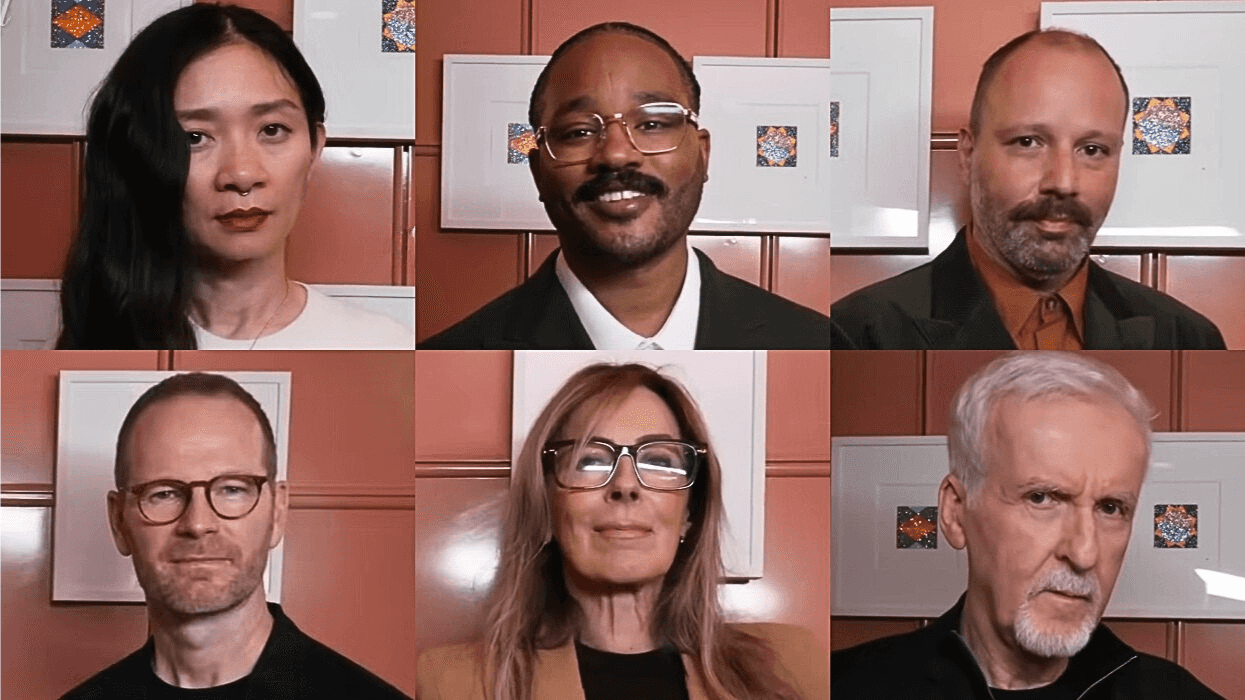
Chloé Zhao ('Hamnet'), Ryan Coogler ('Sinners'), Yorgos Lanthimos ('Bugonia'), Joachim Trier ('Sentimental Value'), Kathryn Bigelow ('A House of Dynamite'), and James Cameron ('Avatar: Fire and Ash') join THR in our Director Roundtable.
It's that wonderful time of the year, awards season, where all the best artists sit down to talk about the processes and what drew them to their projects.
And my favorite tradition is the Hollywood Reporter Director Roundtable, where some of the best minds are brought together.
This year, James Cameron, Kathryn Bigelow, Ryan Coogler, Chloé Zhao, Yorgos Lanthimos, and Joachim Trier sat together for nearly an hour. These titans discussed everything from their "alternate lives" to the deeply personal wounds that drive their storytelling.
Let's dive in.
1. The Careers That Never Were
We all have backup careers, even the most famous among us. I often think about what I'd do if I weren't working in Hollywood; sometimes it can be a scary thought, and sometimes I embrace it for inspiration.
But what about the people sitting at this table? What would these directors be doing if they hadn't found cinema? The answers were surprisingly humble.
- James Cameron: An explorer or scientist (a path he still balances today).
- Kathryn Bigelow: A painter.
- Ryan Coogler: A coffee shop owner (he’s reportedly quite good at making espresso).
- Yorgos Lanthimos: A baker.
- Chloé Zhao: A private detective.
2. Facing the "Mother Wound" and Death
While all the people in this video have careers and projects that worked out, there were always hesitations with what they'd step into and embrace when it came time to pick them.
Take Chloe Zhao, in one of the most moving segments, she discussed her hesitation to direct Hamnet. She revealed that the film’s focus on a mother losing a child was triggering because of a deep "mother wound" she carries.
She had never portrayed a mother in any of her other movies, and she was worried that making a film about moms and swimming in those ideas was scary for her to want to deal with, and it became cathartic for her.
The character of Shakespeare was actually what helped carry her through the process of directing it, mirroring the character arc of the movie.
3. The Power of Repeat Collaborations
Another thing I loved learning about was how these directors all have actors they love working with time and time again.
For instance...
- Ryan Coogler and Michael B. Jordan: Coogler recalled casting Jordan in Fruitvale Station because he needed someone with "movie star" quality to ground a tragic real-life story. And that quality has taken them across several films, where Jordan's charisma allows Coogler to write these big characters.
- Yorgos Lanthimos and Emma Stone: Lanthimos explained that Stone has become a producer on his films because of their immense trust and shared sensibilities.
- James Cameron and Sigourney Weaver: Cameron joked that he "brought her back from the dead" for Avatar by writing a new character, noting that working with his "troop" of actors feels like a theater company.
4. Reclaiming "Misunderstood" Films
This collection of directors has made some of my favorite films, but not everything they've done has been appreciated in its time.
When asked which of their films deserve a second look, the directors didn't hold back:
- Kathryn Bigelow nominated Detroit, calling it a "horrible tragedy" that was misunderstood by many.
- James Cameron championed Strange Days (which Bigelow directed and he wrote), noting that "nobody showed up" at the time, but it remains a work he is deeply proud of.
- Chloé Zhao stood by Eternals, describing it as a "Greek play" about the nature of humanity.
5. The "25-Year" Deal
Earlier in 2025, Ryan Coogler was the talk of the town when we learned that he would get the rights back to Sinners after a period of time.
He explained that the decision was fueled by the "existential" state of the industry and a desire to look out for his legacy, much like trailblazers Tyler Perry and M. Night Shyamalan.
It was a symbol that he could own his art again, and the idea resonated with everyone at the table, including James Cameron, who quipped, "I wish I had that deal when I made Avatar."
Summing It All Up
There was a lot of wisdom in the conversations at this round table. I really enjoyed hearing about the process of these filmmakers and digging into some of the greatest lessons they learned making their movies.
What were your favorite quotes and parts?
Let me know what you think in the comments.