Analyzing the ‘The Last of Us’ Line That Reveals the Real Joel Miller
When the grief is too big to resolve in a lifetime.
'The Last of Us'
We all strive to be heroes, but we often forget that we already are—through the everyday battles we fight to live and through the griefs that we overcome as we walk the path called life.
Joel Miller in The Last of Us definitely didn’t consider himself to be a hero, but he was. Not only because he stepped up for Ellie but because he did so despite his trauma and fear.
It was not easy, not then, not now, considering their dire circumstances, but this time, when things begin to turn ugly, Joel is fear-stricken. He is not ready to go through the pain all over again.
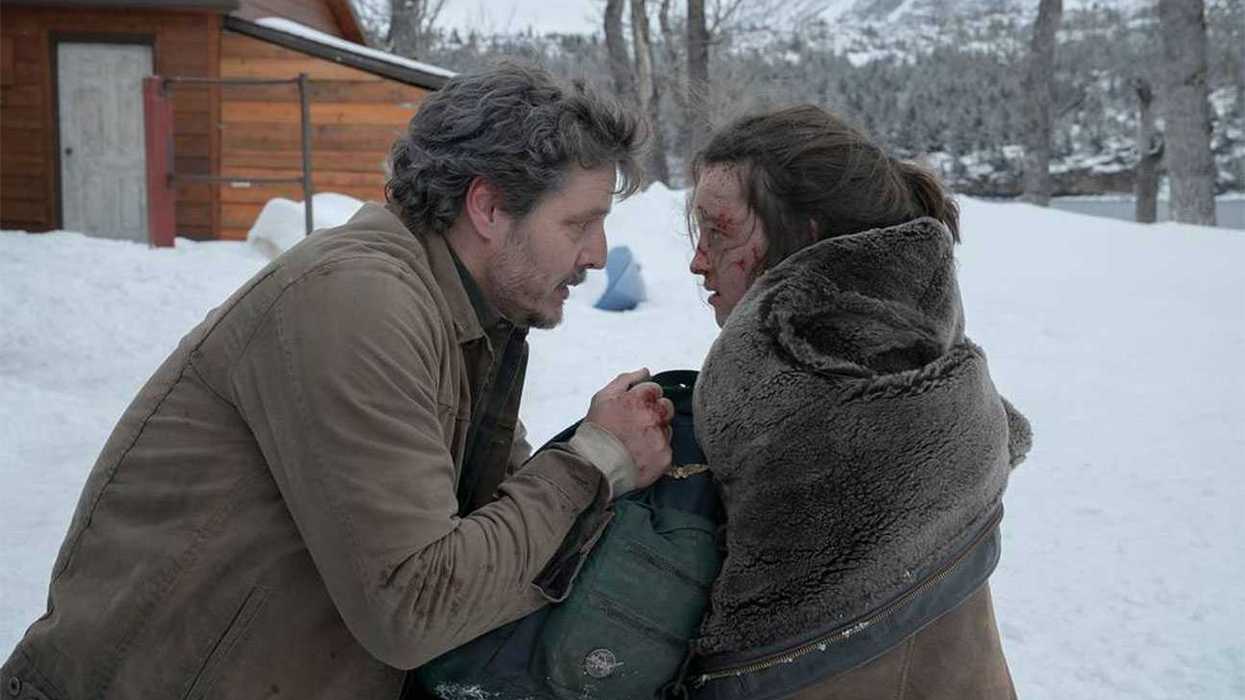
In The Last of Us, when Joel says to Ellie, “You have no idea what loss is,” it’s his cry for help in a way we won’t ever understand.
In this article, let’s analyze “You have no idea what loss is,” the line from The Last of Us that defines Joel's cause and actions in seven words.
To Give You a Little Context…
Based on the popular video game of the same name, The Last of Us centers on a post-apocalyptic world devastated by a global pandemic. Joel, one of the survivors, is tasked with protecting a 14-year-old girl, Ellie, who may be humanity's last hope.
Joel grew up with his brother Tommy. He married and became a father. While the marriage ended shortly after Sarah’s birth, his daughter remained the nucleus of his life.
Joel was raising Sarah as a single parent, and the two were each other’s world. Then the outbreak hit. One fateful night, after Joel returns from work, they are attacked by some of the infected. Joel, Sarah, and his brother Tommy make a run for their lives, but the city is in complete disarray.
Eventually, they lose their vehicle in an accident. With an injured Sarah in Joel’s arms, dodging and fighting infected humans, Joel tries to escape to safety when an armed soldier stops them. Joel tries to convince him that they are not sick, but the soldier doesn’t believe them.
In a melee, the soldier opens fire on them. Joel tries to take cover, but it is already too late. They are hit. The soldier comes forward to fire one last time to kill them, but thankfully, Tommy shoots him just in time to save him.
Joel is hit in the stomach, but the wound is not fatal. That’s when Sarah’s whimpering cuts through the eerie silence. They rush to her, only to find her fatally shot. She cries in pain. She dies in Joel’s arms as he frantically tries to pick her up.
Realizing she is gone, Joel hugs her in disbelief and shock.
Analyzing How the Line Defines Joel
The death of a beloved family member can become the greatest trauma of our lives, but a parent losing a child is often considered the worst of all.
Your connection with your kid is not only biological or emotional—it’s spiritual too. The loss of a child is a grief too heavy to process in a single lifetime. To see a living, breathing part of you, someone who was your future, raised in your care, breathing their last, can seriously break you.
Sarah’s death left Joel without a purpose. Without his daughter, he turns cold, mechanical to survival, and brutal in his means. With Sarah gone, he has no one to live for until he meets Ellie.
“You have no idea what loss is,” is a form of surrender on Joel’s part. It’s probably the first time that he admits to himself in a long time that he is grieving.
Sarah’s death is a testament to uncertainty in the universe, and as he gets attached to Ellie, looking for a form of fatherhood in their relationship, Joel is scared to lose her, but too hardened to accept it out loud.
Over the episodes, the threat to Ellie rises, and so does Joel’s paranoia about her safety. So he tries to send her off with Tommy, who knows the area better than him and is a trusted ally.
When Joel says, “You have no idea what loss is,” it is him reliving that moment once again when Ellie mentions Sarah and her death.
The line “You have no idea what loss is” in The Last of Us embodies Joel’s entire existence. It underscores his trauma, something that is easy to misunderstand just by judging his actions.
Honestly, it saddens me a little that the biggest tragedy of his life is what led him to become one of TV’s most memorable characters in recent years.
- How 'The Last of Us' Sound Team Designs the Sound of a Post-Apocalyptic World ›
- ‘The Last of Us’ Writers Want Gamers to Be In Charge Of Adaptations ›
- 'The Last of Us' and How to Write Great Video Games ›
- How ‘The Last of Us’ Creators Turned the Video Game into Prestige TV ›
- How Season 2 of 'The Last of Us' Deviates from the Game ›
- Learn How the Insane Plot Twists of 'The Last of Us 2' Were Written ›
- What Are the Core Storytelling Elements in 'The Last of Us' Game and TV Show? ›