AMC Theatres Plans to Distribute Small and Mid-Budget Movies Directly to the Big Screen
In a move that could reshape independent film distribution, the world’s largest theater chain is taking direct control of screen space.
AMC Theatres Plans to Distribute Small and Mid-Budget Movies Directly to the Big Screen
As Nicole Kidman says, we come to this place for magic, and maybe the best magic of all is getting a movie made. And now, AMC is dipping its toes into that, too.
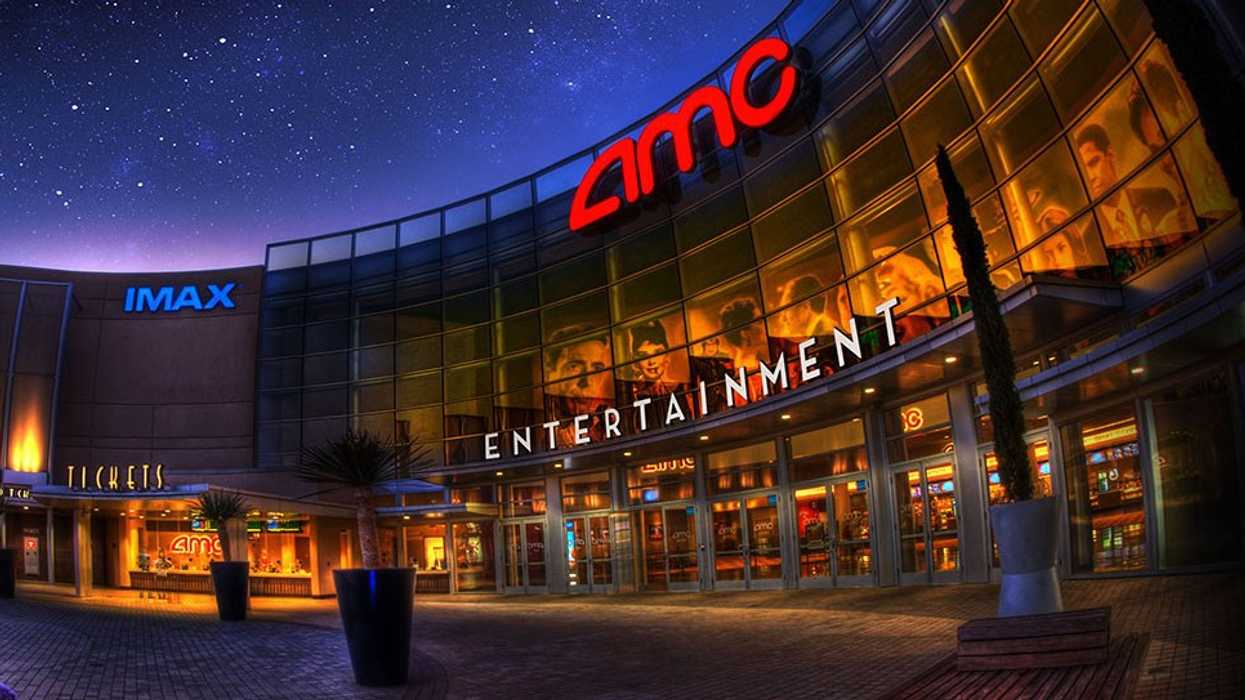
The world’s largest exhibition company is officially stepping into the distribution business with the creation of Leawood Films. It's a new banner dedicated to getting small and mid-budget movies onto the big screen.
There's a lot to unpack here, so let's dive in.
What Is Leawood Films?
This is a new company named after the location of AMC’s corporate headquarters in Leawood, Kansas.
The whole idea here is for the theater chain to have a distribution arm that bridges the gap between completed independent projects and commercial multiplexes.
The short of it is: AMC has screens to fill and wants to fill them with movies it has vetted that might come with an inherent audience.
AMC is Not A Prodco
AMC is not turning into a traditional production studio. They are not buying and financing your script. You will not be pitching them on the AMC Origins story movie.
Leawood Films operates on a low-risk distribution model. It involves acquiring or partnering on projects that are already fully financed or completed, then using AMC’s infrastructure to market and promote them across North America (and potentially internationally), bringing them to movie screens.
The plan is for the first theatrical slate under the Leawood Films banner to roll out in 2027 or 2028.
AMC CEO Adam Aron took to Twitter to talk about this plan:
"On Monday, AMC made quite a consequential announcement. We have created a new venture, Leawood Films. It’s a disciplined, low risk way for AMC to distribute movies to movie theaters in the US and around the world. Our goal is simple – get some movies made and released into theaters that might not otherwise be greenlit for theatrical exhibition.
Obviously, our bread and butter will always come from major Hollywood studios, and our other key distribution partners. But if we can get some extra movies made, it will be gravy for AMC as well as for other movie theater operators with whom we will work.
We are pleased to be taking this innovative step forward."
Why This Matters to Independent Filmmakers
Indie directors, producers, and writers have seen the theatrical pipeline shrink drastically over the last five years. Imagine you can talk to investors and tell them you have a theatrical rollout secured and that all you need is cash to finish your idea?
That conversation would be a lot easier with a placel ike Leawood endorsing you.
It also helps address some of the biggest hurdles for independent movies, especially those that cater only to adults.
- Guaranteed Screens: The hardest part of distribution is convincing exhibitor chains to give up screen real estate needed to program your movie. Well, the biggest chain in theaters is offering them up!
- Co-Exhibition Model: Aron explicitly noted that Leawood Films intends to share these releases with other theater operators, meaning these won't just be AMC-exclusive runs. It remains to be seen how they do it, but it is cool to get your movie shown worldwide.
- Leveraging Built-In Marketing: Small films often die in theaters due to lack of marketing budgets. AMC controls one of the largest direct-to-consumer moviegoing audiences in the world via its AMC Stubs loyalty program, app, and digital channels. So they can help get the word out for you.
The Bigger Picture
We saw a version of this last year when AMC bypassed legacy studios and directly distributed Taylor Swift's The Eras Tour concert film.
That movie made so much money and became an event.
And in smaller versions, we've seen AMC run Netflix shows or movies in limited theatrical releases, and even sign deals with Markiplier for Iron Lung, which took over theaters and also made bank.
Leawood Films feels like the logical evolution of that experiment, especially the more we see filmmakers with stories that people want to see.
Honestly, Obsession might have gone this route if it had been available last year.
If Leawood Films succeeds, it will provide a viable theatrical alternative for mid-budget cinema and give indie directors a genuine shot at commercial box-office survival without having to sell their rights to a streaming queue.
And if it doesn't, well, nothing changes, but it is totally worth the risk because the upside is so high. And it helps keep the theatrical experience alive.
We'll keep an eye on its launch.
Let me know what you think in the comments.