How One Line in ‘Love Story’ Became Both Iconic and Infuriating
“Love means never having to say you’re sorry” defined a generation, but its meaning and sagacity have been questioned ever since.
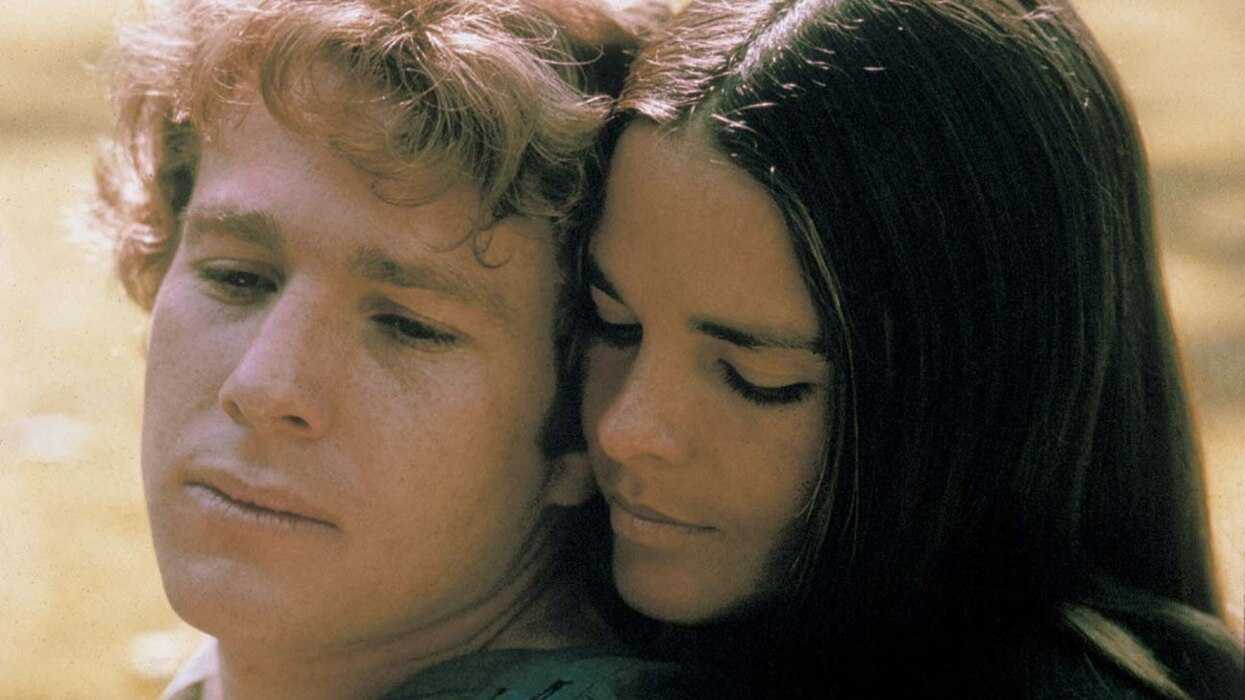
Love Story (1970)
This is one of the most famous lines in cinema. A philosophy of love condensed into eight words:
“Love means never having to say you’re sorry.”
It was everywhere. You could see it on posters and love letters. It was repeated by lovers everywhere. It was repeated in wedding vows. It was parodied in comedies. Marriage counselors had a crazy time battling it in their sessions.
The line was the soul of Love Story (1970), a romance-tragedy based on Erich Segal’s bestselling book. The hopeless romantics waited for the scene where Jenny (Ali MacGraw) says it to Oliver (Ryan O’Neal), and once she did, they felt as though romantic devotion was expressed in the best possible words.
For all this adoration, the line was—is—also subjected to a lot of criticism. The rationalists came out, wielding their counter-reaction, and tried to expose the careless, misguided sentiment it was trying to normalize.
So, what is it? An expression of unconditional love or the worst relationship advice?
The Birth of an Iconic Line
Before it blazed on screen, Erich Segal birthed it in his bestselling novel, Love Story. The novel set the stage for how this line would be delivered and interpreted.
Novel and Screenplay in Tandem
Not many know, but Segal wrote the screenplay first. Paramount requested him to adapt it into a novel as part of the film’s marketing campaign to generate publicity for the film. The strategy paid off. The novel was a phenomenal hit, and the line had already sparked the debate before the movie was even released.
The Line
The line, neither in the novel nor in the movie, was used as an offhanded statement. The entire story was built around it. It is said twice: first, Jenny says it to Oliver—quite early on in the story—when he loses his temper and apologizes. Then, in the denouement, when Jenny has died, Oliver repeats it to his father, who has just apologized for his past behavior. This repetition gave the line thematic relevance.
Filming the Moment
Regardless of your take on the line, it feels powerful in the movie, and that power comes from its delivery. When Jenny says it to Oliver, her tone is gentle and soft, like a playful rebuke. Her tone signifies that the level of understanding is so deep that apologies are kinda pointless.
When Oliver repeats the line to his father, he is grief-stricken, and his voice is breaking. When he says the line, he is not making a philosophical statement; he is grieving the loss of his love.
Even though the tones differed, director Arthur Hiller maintained intimate close-ups while filming both scenes. This encouraged the audience to emotionally connect with the characters and their respective sentiments. The emotional weight and the tactical filming of their deliveries both helped turn this quote into cultural shorthand.
The Great Divide
After the novel’s publication, and even more so after the movie’s release, the line became a phenomenon. However, its honeymoon period was short. Once the overwhelming love-stricken emotion wore off, critics and the audience started to question its profoundness.
The Romantics
Those who make a case for the quote usually emphasize the word “say.” According to them, the line doesn’t imply that you shouldn’t “be” apologetic. It’s just that there isn’t the need to say it out loud, because your partner understands your heart completely. They know your remorse before you speak. The apology is already understood. True love is a package that includes total understanding and total acceptance. In true love, mistakes are forgiven before they are even made.
The Rationalists
While the rival camp might agree that love can mean unconditional forgiveness, they object to the prospect of never having to be accountable for one’s mistakes. For them, this simplistic and romantic interpretation doesn’t fly; they think of it as immature, unrealistic, and even toxic. They argue that understanding and acceptance are only two pillars of a healthy relationship; the other two are accountability and communication. You take down one pillar, and your relationship collapses. Skipping an apology isn’t deep love; it’s emotional avoidance and a recipe for resentment.
The Legacy
Ever since it came out, the line has also been the subject of scrutiny within the industry. The most prominent take on the quote came from the 1972 movie What’s Up, Doc? In the airplane scene, Judy (Barbra Streisand) says this line to Howard (Ryan O’Neal—the same one) and coyly flaps her eyelashes. Howard gives her a hard stare and, in a deadpan delivery, says, “That’s the dumbest thing I’ve ever heard.”
This lighthearted moment was an indication that the cultural tide had turned. The line was on its way to becoming a punchline.
Conclusion
It’s been over 50 years, and the line is still as provocative as it was then. The line also captures the romantic ideal of the ‘70s, when the time and people both had the propensity to be naive in love—if they wanted to.
It may never be universally embraced—but that’s exactly its power. It is both a quintessential representation of romantic film and a flawed piece of advice; loved and criticized in equal measure. One could say that it is, in fact, sustained by that very tension. It’s quite evident, because the debate it started has outlived the movie itself.
It may not be sound relationship advice, but the line’s true legacy is not as a philosophy anyway. It’s more of a conversation starter, much like love, beautiful, messy, and endlessly complicated.
And maybe that’s the real secret—love, like this line, is never finished being interpreted.
- What Are The Best Romance Movies of All Time? | No Film School ›
- Defining Romantic Comedies With Examples in Film and TV | No ... ›
- How To Shoot Romantic Comedies Like 'Zoey 102' | No Film School ›
- The Core Elements of Romantic Comedy Genre | No Film School ›
- The 25 Best Valentine's Day Movies | No Film School ›
- The Best Films About (Failed) Love According to Director John Waters ›
- The Romance Genre in Film and TV (Definition and Examples) | No ... ›
- 7 Movies That Prove Love Doesn’t Always Mean Togetherness ›