Why McConaughey and Caine’s AI Move Just Changed Hollywood
If it works, it means people can license your voice long after you're dead.
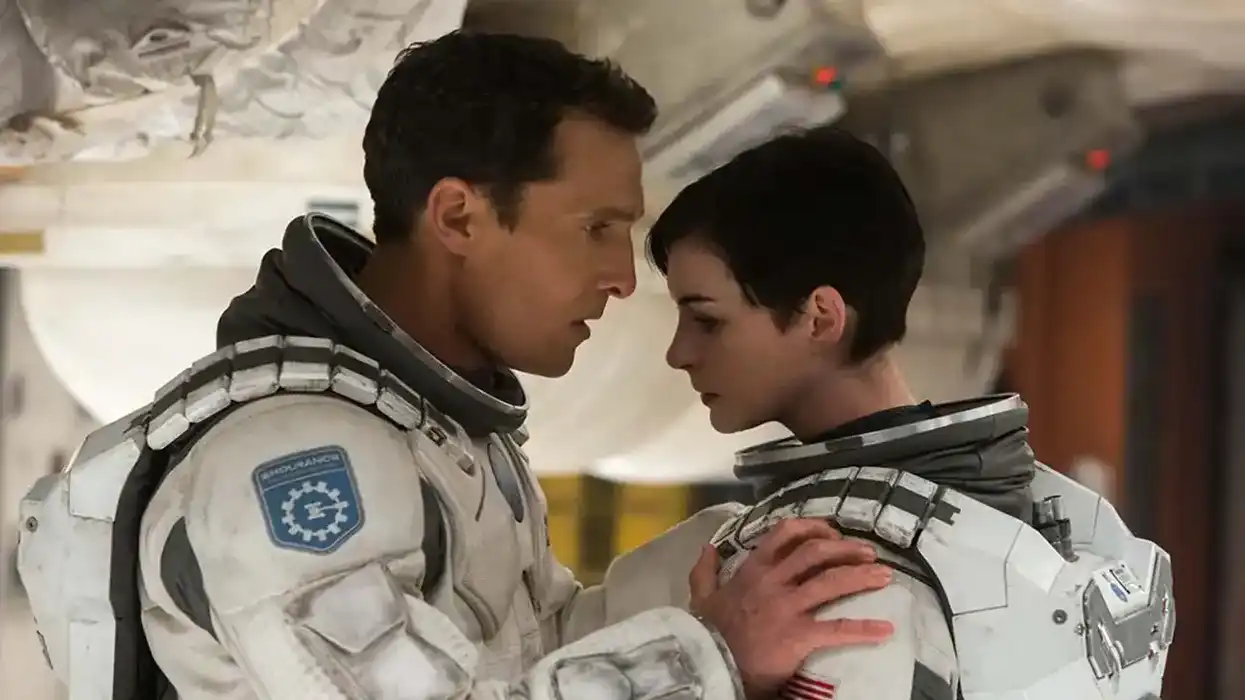
'Interstellar'
It feels like we're covering a new AI in Hollywood topic every day, and that's because AI in Hollywood sounds like a threat most of the time.
But two big stars are embracing one advantage of AI, which is sort of making their careers last forever...theoretically.
According to Variety, Matthew McConaughey and Michael Caine have a new partnership with the voice cloning company named ElevenLabs to clone their voices so audiences have access to them long after they pass.
This is a seismic shift that’s redefining what an acting career—and a legacy—looks like in the 21st century.
Let's dive in.
Putting the 'Human' Back in AI Licensing
For years, the talk around digital voices has been about fear and exploitation. People were worried about their voices being stolen - we saw Scarlett Johansson's voice stolen!
Actors and their unions have rightly worried that studios would just scan their voice once and use it forever without a second dime or a word of permission.
But ElevenLabs’ new Iconic Voice Marketplace is the first real attempt to flip that script and get actors paid for their vocals.
By featuring legends like Caine, Liza Minnelli, and even John Wayne, they’re establishing a model where a company can’t just take a voice; they have to request approval and cut a formal licensing deal with the rightful owner or estate. It turns a vulnerable resource into a protected asset.
And it can pay your family long after you're gone.
For a 92-year-old like Michael Caine, he can continue to lend his instantly recognizable voice to projects—like narrating a documentary or an audiobook—without having to sit in a booth for hours.
McConaughey said in a statement, “Since our first conversation, I’ve been impressed by how the ElevenLabs team has taken the magic of the core technology and turned it into products that creators, enterprises, and storytellers use daily. I launched my newsletter, ‘Lyrics of Livin’,’ as a way to share stories and ideas in my own voice with those who want to listen. Now, thanks to ElevenLabs, ‘Lyrics of Livin’’ is expanding with a Spanish language edition, allowing us to reach and connect with even more people. To everyone building with voice technology: keep going. You’re helping create a future where we can look up from our screens and connect through something as timeless as humanity itself — our voices.”
The Creative Revolution (and the Roadblocks)
The ability to ethically license a voice opens up dazzling possibilities, but it also forces us to wrestle with some tough questions that should worry Hollywood.
Being able to license the voices of historical figures like Alan Turing or Maya Angelou means future documentaries and educational content can feel incredibly authentic, allowing us to hear their words delivered as they might have sounded.
But you're also putting words into these people's mouths that they may not believe, stand by, or even want.
You are allowing their families to profit off them and their legacy when they're dead, and the family may not have the best intentions moving forward.
They might just want money!
Going along with that...what about the voice actors? The people who make a living narrating and doing these things, and are not famous?
The industry will have to quickly figure out how to equip those professionals to use AI models of their own voices, too. If they don't, the mid-level voice-over market could face serious disruption.
Summing It All Up
AI comes with a lot of baggage but also a lot of possibilities. While this is an interesting take on selling a voice after death, it also worries me that every company will opt to use a famous person's voice, potentially putting many voice actors out of work. However, I suppose time will tell.
Let me know what you think in the comments.
- Can AI Really Learn Method Acting? Timur Bekmambetov Thinks So ›
- SAG-AFTRA Comes Out Against AI "Actress" Tilly Norwood ›
- Hollywood Agencies Race to Sign AI "Actress" Tilly Norwood as Critics Push Back ›
- The Story Behind “Alright, Alright, Alright”: Three Words That Made Matthew McConaughey Untouchable ›