The Social Code of “On Wednesdays We Wear Pink”
What “On Wednesdays we were pink” really meant for the Plastics.
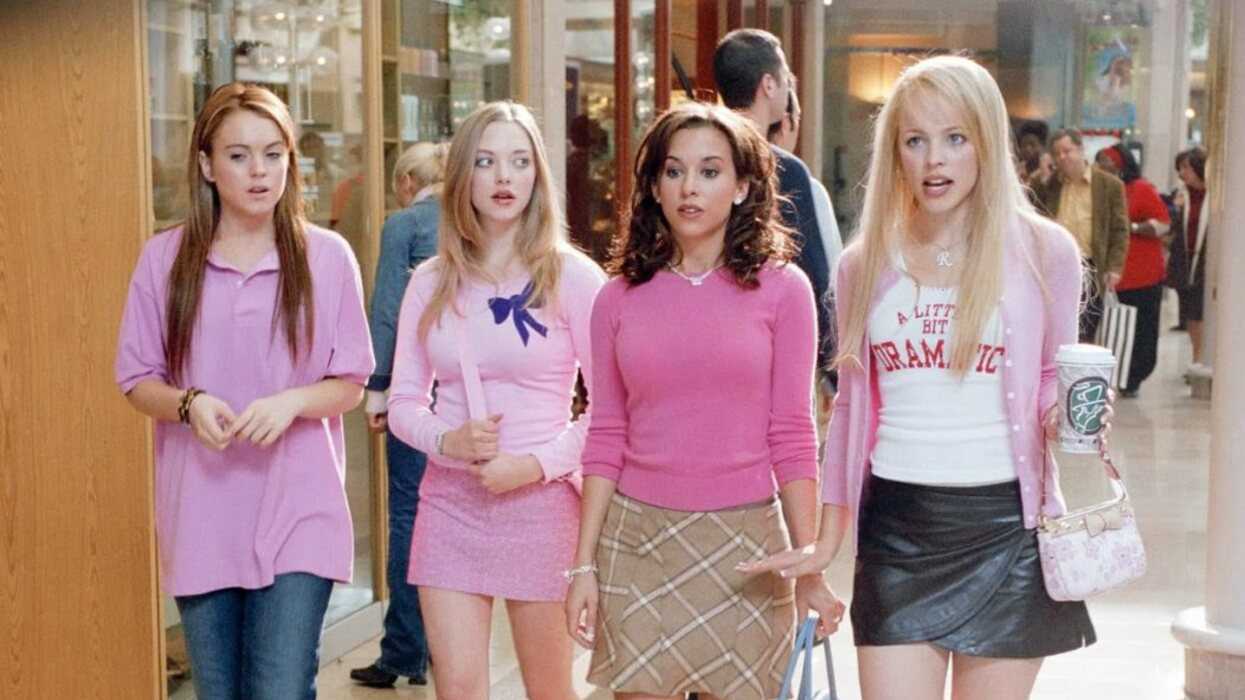
A still from Mean Girls (2004)
There is nothing new or shocking about the fact that the high school world often operates on a set of invisible rules: which table to sit at, which jokes to laugh at, who to avoid, and so on. It’s a complex set of social high school rules that every high-schooler just knows how to navigate, but only a few get to set.
Mean Girls (2004) explores one such prestigious circle that gets to dictate the behavioral code of its members: the Plastics. Led by formidable Regina George (Rachel McAdams), the Plastics turn this invisible set of rules into spoken, almost legislative, doctrine.
Among their many bizarrely specific rules that are aimed at carving their niche, even superiority, one stands out:
“On Wednesdays we wear pink.”
What is the logic behind it? What purpose did it serve in their intra-school social structure? And how? And more importantly, why has this phenomenon remained an indelible mark on the pop culture decades later?
Let’s see.
The Unwritten Laws of the Cafeteria
Before we plunge into the Plastics’ infamous rule, it would help to know where it originated and how they decided that it would give them an edge in the socio-political world of North Shore High.
The Influencers Before “Influencer” Was a Thing
There are intimate circles of like-minded people, there are sororities, and then there are the Plastics, the most sought-after institution. They are comprised of Regina, their queen bee; Gretchen Wieners (Lacey Chabert); Karen Smith (Amanda Seyfried); and later Cady Heron (Lindsay Lohan). Beautiful and untouchable, the Plastics have gained aspirational status and ultimate control over the school’s social ecosystem. Their influence means their personal preferences are translated into the standards for everyone else.
The Official Handbook of Rules
Every successful policy implementation requires strict guidelines and even stricter adherence. The Plastics carefully curated their image and maintained their influence through this same principle. You may think these rules make no sense—systematic hairstyle rotations, when to wear jeans, and of course, this “pink” thing—but it ensured that their “brand” remained unique and exclusive. No one else was expected to follow; it was exclusively the Plastics’ charter.
The Pink Mandate
The most visually striking of their rules was wearing only pink on Wednesdays. They used the color pink to accentuate their hyperfemininity and muted dominance. A soft color to impose a hard line. It could also be translated as compliance. Quite a smart move! For Cady, the protagonist, following this rule meant that she had palpably become the Plastics.
A Tool for Control and Conformity
As Cady becomes a part of the group, it’s Karen who introduces her to this rule: “On Wednesdays, we wear pink,” she tells Cady. Within the group, however, at its very foundation, this rule is about the control that remains in the hands of Regina, and Regina alone. When she dictates what her friends can wear and represent, she solidifies her position as their queen, not just their leader. The rule’s weekly compliance by the Plastics is nothing short of a weekly pledge of allegiance to their prima donna. If you disobey the rule, being a fashion faux pas would be the least of your concerns.
The Pink Uniform: The Price of Belonging
Aside from signifying their elite status, this pink uniform also served as a public declaration of their unity. This was a differentiating factor between the Plastics and the rest. It gave them exclusivity, but it also created an “us vs. them” dynamic. Even though it was based on fear, insecurity, and bonkers logic, the rule made them stand apart and stand above.
The Narrative Power of Pink Wednesdays
This strict system of rules, embodied by the Pink Wednesdays, also plays a pivotal part in shaping and driving the narrative. It directly influences the character development and storylines.
Cady’s Initiation and Assimilation
The first Wednesday Cady wears pink is a significant shift in her character. At the beginning, she comes across as an easygoing, casual-mannered girl. But when she is taken over by the idea of being someone whom others look up to, she displays uncharacteristic behavior. She scrambles to find something pink, and when she doesn’t, she borrows Damian’s oversized pink polo shirt. With this, she is trying to tell others that she is not just a new girl; she is the “it” girl.
When the Plastic Cracks
Ironically, laws gain real momentum when they are broken. As Cady starts to get disillusioned with the Plastics, her disillusionment starts to show in her violation of the rules. One day, she wears an incorrect hairstyle, and another day, a wrong dress. Even Gretchen unintentionally wears hoop earrings that the Plastics rulebook clearly states are off-limits. That day, Gretchen was not allowed to sit with the Plastics. The rules that are meant to glue them together are now causing them to disengage.
The “Burn Book” Effect
In the climax, Regina, because of some inside war of egos, makes the Burn Book (a scrapbook in which the Plastics write insulting remarks about the non-Plastics) public. She doesn’t realize that doing so would shatter their—her—world of dominance. And that’s what happens. Now, with their social influence disintegrated, their arbitrary rules no longer matter. And without these rules, without these eccentric dress codes and social mandates, there is no Plastics. Now they are just like everyone else. Non-Plastics.
Why the Line Became So Iconic
The line is simple, specific, catchy, and easy to remember, but most importantly, it captures the ridiculousness of the Plastics’ world. The seriousness with which Amanda Seyfried delivers it brings out its absurdity in a more pronounced manner. It also excellently catches the film’s humorous and satirical tone, and that’s what makes it endlessly quotable.
The Unwavering Rule of an Unforgettable Line
“On Wednesdays we wear pink” was never about the color. It was North Shore High’s social dynamic boiled down into one statement. This statement, in its belly, packs a mishmash of human intricacies. The desire and illusion of control, the lure of belonging, the conformity and the loss of individuality, and the erratic nature of the metrics we use to measure status. All in all, the statement is a commentary on the absurdity of teenage hierarchies.
It’s also relatable. We have all known some or the other version of “Pink Wednesdays” somewhere. And that’s why we still quote it and laugh at it, because we know the heavy truth beneath this pink satin.