7 Incredible “Plant & Payoff” Moments Set Up in the First Act
These small moments in the beginning exploded in the final act.
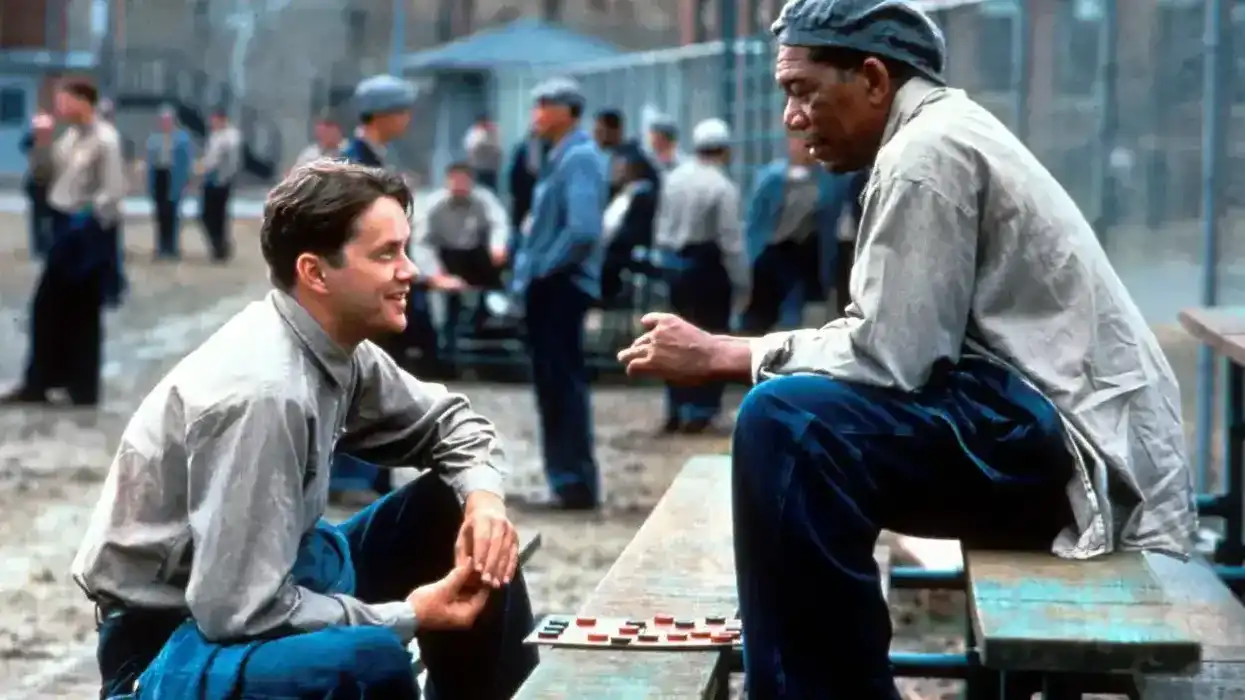
'The Shawshank Redemption' (1994)
The greatest movie endings are often quietly set up in the first act of a story, and we are blissfully unaware of this until we actually witness the ending.
This “engineering” is what makes screenwriting such a clever art form. The most surprising movie endings usually feel surprising because of how and when “information” has been delivered to the audience from the very beginning.
In simple terms, you are more likely to be surprised by a movie ending if your mind is well aware of a “context” first. This context could be quietly planted very early in the screenplay, and the “payoff” happens precisely in a manner that makes you recall the “plant”.
“Plant and payoff” is one of the coolest, most exciting tools a writer could use in their screenplay. It makes a movie’s conclusion feel more satisfying and earned.
Let’s take a look at seven of the greatest “plant and payoff” moments that were set up perfectly in the first act of the movie.
7 Iconic “Plant & Payoff” Moments Set Up Brilliantly In The First Act
Here are seven unforgettable “plant and payoff” moments in movies.
1. ‘The Gold Watch’ - Pulp Fiction (1994)
Directed by Quentin Tarantino
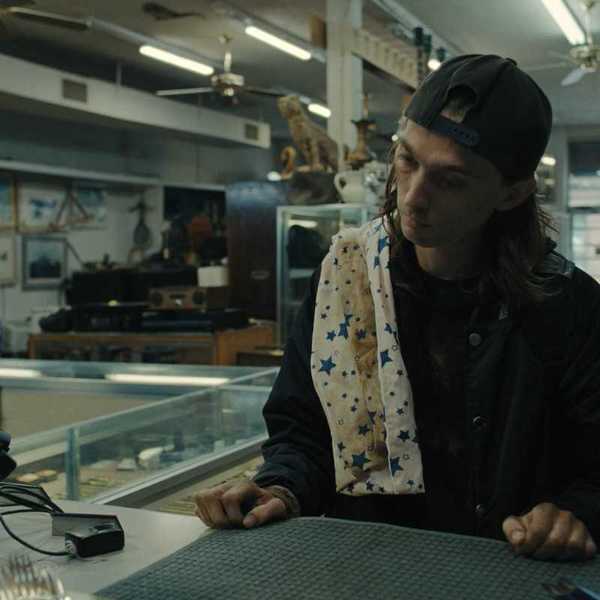
What might seem like a relatively “off-topic” sequence in Quentin Tarantino’s incredible film is a cleverly inserted plant for what would go on to become one of the most crucial elements of the movie. In a hilarious sequence, Christopher Walken’s Captain Koons delivers an unforgettable monologue about a gold watch that has been passed down through generations. A young Butch (played as an adult by Bruce Willis) quietly listens to Koons’s baffling story. The payoff comes when Butch risks everything to recover the watch in the second half of the movie, essentially driving the story to its conclusion. A massive chain of violent events is triggered one after another, all thanks to the gold watch.
2. ‘Rosebud’ - Citizen Kane (1941)
Directed by Orson Welles
Orson Welles’s masterpiece opens with Charles Foster Kane whispering “Rosebud” on his deathbed. This plant serves as the beginning of one of the greatest movie mysteries of all time. What does the word mean? Why did Kane whisper it on his deathbed? The payoff comes at the absolute end of the movie when we learn about the significance of the word, its strong ties with Kane’s childhood memories, and his origins. Rosebud symbolizes his loss of innocence through a lifetime spent chasing power and wealth.
3. ‘Snakes’ - Raiders of the Lost Ark (1981)
Directed by Steven Spielberg
Indy hates snakes! Early on in this Spielberg classic, Indiana Jones’s (Harrison Ford) fear of snakes is made startlingly evident by his horrified reaction to discovering one coiled up. What viewers did not know was that this line established a serious phobia of snakes. The payoff happens when Indy is surrounded by literally hundreds of snakes, toward the end of the movie. That’s not going to help the phobia, is it?
4. ‘Rocks and Posters’ - The Shawshank Redemption (1994)
Directed by Frank Darabont
Early in the film, Andy Dufresne (Tim Robbins) asks Red (Morgan Freeman) for a small rock hammer and posters of movie stars. This is a masterfully engineered plant that provides crucial information without any emphasis on the matter. The impossibility of a prison break and the sheer audacity of doing it in the manner that Dufresne does in this film are brilliantly concealed. Yet, the plant is important because the payoff elevates the movie’s ending. If you did not witness this conversation, the ending would not be as powerful.
5. ‘Previous Caretaker’ - The Shining (1980)
Directed by Stanley Kubrick
While Jack Nicholson’s Jack Torrance is interviewing for the job at The Overlook Hotel, the manager casually mentions the previous caretaker who murdered his family before killing himself. The plant is exceptionally obvious and elaborate, and its brilliance lies in its irony. Torrence is a writer who wasn’t going to be repelled by such a story; instead, it would have the opposite effect on him, which is precisely what happens and sets the story in motion. The payoff, which culminates in Jack’s full descent into madness, is set up perfectly by this plant at the very beginning.
6. ‘The Gun Holster’ - Shutter Island (2010)
Directed by Martin Scorsese
This Martin Scorsese movie is filled with carefully crafted misdirections that retrospectively could be considered smartly conceived storytelling setups. At the beginning of the movie, when Leonardo DiCaprio’s Teddy Daniels and his “partner” Chuck (Mark Ruffalo) enter Shutter Island, Chuck awkwardly handles a gun holster despite being a supposedly experienced agent. Scorsese continuously builds on moments like these, making us feel as though something were “off”. Teddy’s migraines, flashes of trauma involving his wife (Michelle Williams), and frequent imbalance are all paid off in the movie's ending with sheer precision.
7. ‘Sea Turtles’ - Finding Nemo (2002)
Directed by Andrew Stanton
The sweetly innocent opening of this animated classic is a fine example of a storytelling plant. When Marlin anxiously escorts Nemo to school, he is terrified of the dangers of the ocean. What may seem like typical father-son chitchat about sea turtles and their long lives is essentially a plant for the end of the movie, in which sea turtles play a crucial role in finding Nemo. While the plot of the movie might be hinted at in the title, this classic film is all about the “how,” and its payoff is perfectly set up by this soft, rather casual plant in the beginning.
Summing It Up
Plants and payoffs are structural storytelling devices that can drastically elevate a story. They follow a discipline of introducing an aspect to the viewer early on in the movie, only to close the loop successfully by recalling it at the end. Movie endings tend to work better when they feel earned, and a good “plant and payoff” can make the ending more memorable.
Which is your favorite plant and payoff of all time? Tell us in the comments below.
- This Holiday Movie Has Some of the Best Plant and Payoff of All Time ›
- The Only Screenwriting Rule Worth Following: Plant and Payoff ›
- The Ultimate Guide to Screenplay Outlining Tools | No Film School ›
- The Story Elements That Show Up in Every Great Screenplay | No Film School ›
- How to Format a Screenplay: What Matters and What Doesn't? ›