This One Line in ‘Planes, Trains And Automobiles’ Feels Quietly Philosophical
A single line reveals a timeless lesson in patience.
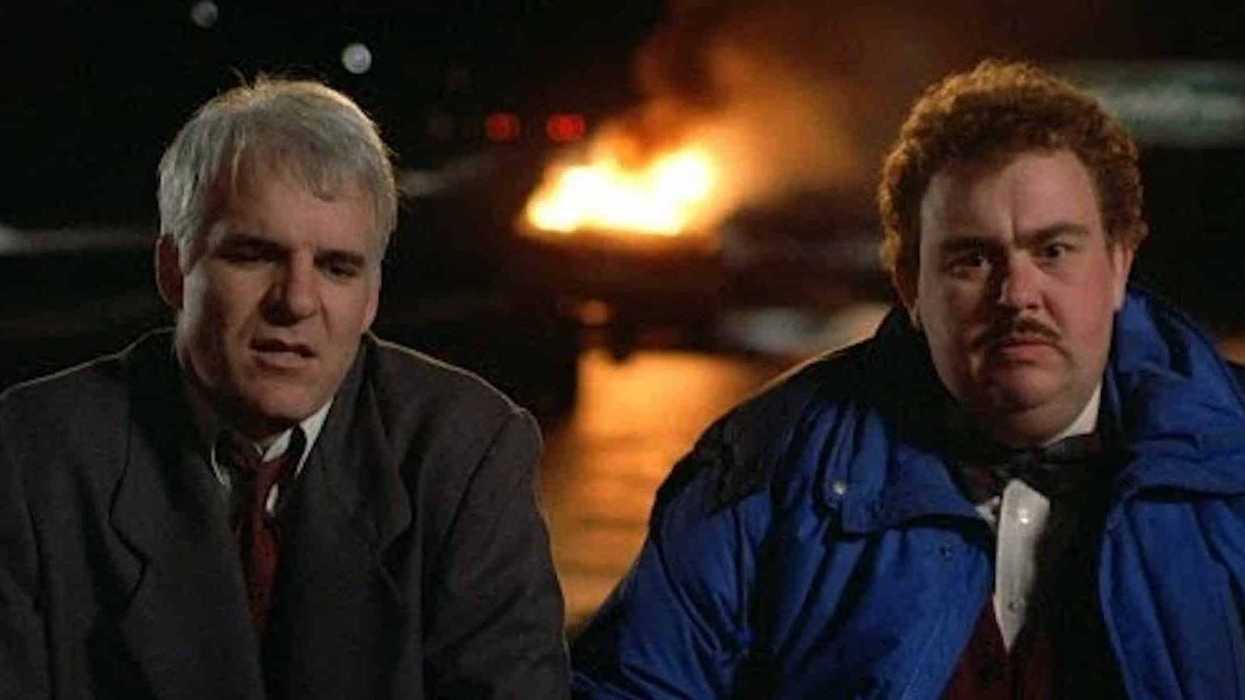
'Planes, Trains & Automobiles' (1987)
One of Planes, Trains and Automobiles’ (1987) greatest lines is not said during a sensational moment but rather in a quietly casual one. Del Griffith’s “We’ll get there when we get there” is one of those lines that is just slipped by a key character but bears tremendous weight in the context of the film.
The line speaks volumes about the pointlessness of fighting uncontrollable circumstances. It isn’t about a character’s frustration but rather a lesson in patience and resilience. Without being preachy, it teaches us to embrace our journey and to avoid being obsessed with our destination. In doing so, it addresses deeper truths than what the characters are dealing with in the scene.
What makes this line feel simplistic yet philosophical? What can we learn from it?
Let’s jump right in and explore.
Context Of The Line
Planes, Trains, and Automobiles (1987) was written, produced, and directed by John Hughes. The film stars Steve Martin as Neal Page, an uptight advertising man, and John Candy as Del Griffith, a chatter-loving salesperson.
In the film, Neal Page is desperate to return home from a business trip in New York City in time for Thanksgiving dinner with his family. Initially, a snowstorm diverts his flight, leaving him stranded with Del Griffith. What follows is a three-day journey of escalating disasters on multiple modes of transport, each with its own shortcomings. Neal and Del bicker, but also bond and develop a cinematically charming connection that reminds us how the unlikeliest connections often make movies so lovable.
During one of their typical back-and-forth conversations, Del says the line “We’ll get there when we get there”. Neal is obsessed with planning his schedule and controlling as many elements as possible. Del’s response is calm, reassuring, but also layered with a deep understanding of what patience actually means. A few simple words establish the difference between those who try to control every little thing they cannot, and those who quietly focus on the task and embrace life.
The Line’s Hidden Meaning
On the surface level, “We’ll get there when we get there” sounds casual, and it is, in the context of the film. But its deeper meanings are hidden beneath the surface. The line masterfully surrenders itself to the unpredictability of life. It does not ask Neal to remain unbothered. It simply reminds him about what is in his control and what isn’t.
Neal’s obsession with schedules and making sure everything is on time spirals out of control the moment his travel arrangements do not go as planned. For a person like that, chaos is a major enemy. From Del Griffith’s perspective, this line isn’t about indifference. Instead, it’s a survival philosophy. He doesn’t say these words to defuse the situation. He genuinely believes in a way of life that aligns with his words.
“We’ll get there when we get there” also brilliantly embodies a profound understanding of acceptance. While Neal and Del make every effort to arrive at their destination on time, the timeline itself is not within their control. This critique of obsession with efficiency is subtle, but it is hard to miss.
Perhaps this line’s meaning bears a closer relationship with the modern world we live in today. Urgency is almost a way of life, and Del Griffith’s philosophy can serve as a guiding light. While there are tons of tasks to focus on, patience often takes a backseat. Del’s sense of calm is actually beneficial during times of modern urgency.
Finally, there is yet another interpretation of this line, which involves the idea of fate. Del Griffith’s words tell us that they’ve done their part, and they mustn’t try to micromanage fate. Del brings attention to being present in the moment and embracing life as it is, as opposed to making desperate decisions to control what they absolutely cannot.
What Writers Can Learn From This Line
Here are a few key takeaways from Del Griffith’s quietly philosophical line, “We’ll get there when we get there.”
Repetition Can Be Lyrical
“We’ll get there when we get there” uses word repetition that sounds lyrical, but carries deep meaning. This isn’t a common scenario, as repetition can often come across as corny. In this situation, however, it works perfectly well and stands out from the rest of the dialogue in the scene.
Understatement Can Be More Impactful
This line does not get into any unnecessary details. It remains minimal in conveying its surface-level intentions and deeper meaning. It does not overemphasize anything. Its objective is clear, and so is its result.
Humor And Wisdom Combine Well
Not just through this line, but as is the case with the whole film, humor attracts most of our attention. It hooks us into the story’s comical elements and serves as a fantastic platform for quiet wisdom. Del Griffith’s line surfaces at a point in the film when the film’s language is clear to us. Humorous incidents attract empathy but also our laughter. Within this blend, wise words such as “We will get there when we get there” provide the film with an enchanting balance.
Life Truths Through Dialogue
As we’ve discussed before, Del Griffith’s words don’t just address the situation they are in. They speak volumes about our obsession with schedules, timetables, and getting things done exactly how we want them. These are universal life truths that most people can relate to.
Summing It Up
“We’ll get there when we get there” is a memorable movie line that balances comedic assurance and quiet philosophy. In a world so deeply concerned with getting things exactly right, these words do the work of a silent guardian.
What is your favorite moment from Planes, Trains and Automobiles? Tell us in the comments below.