Roger Deakins Emphasizes Invisible Cinematography
The best movies keep you in the narrative and disappear you into a world where the images arrest you and make you feel.
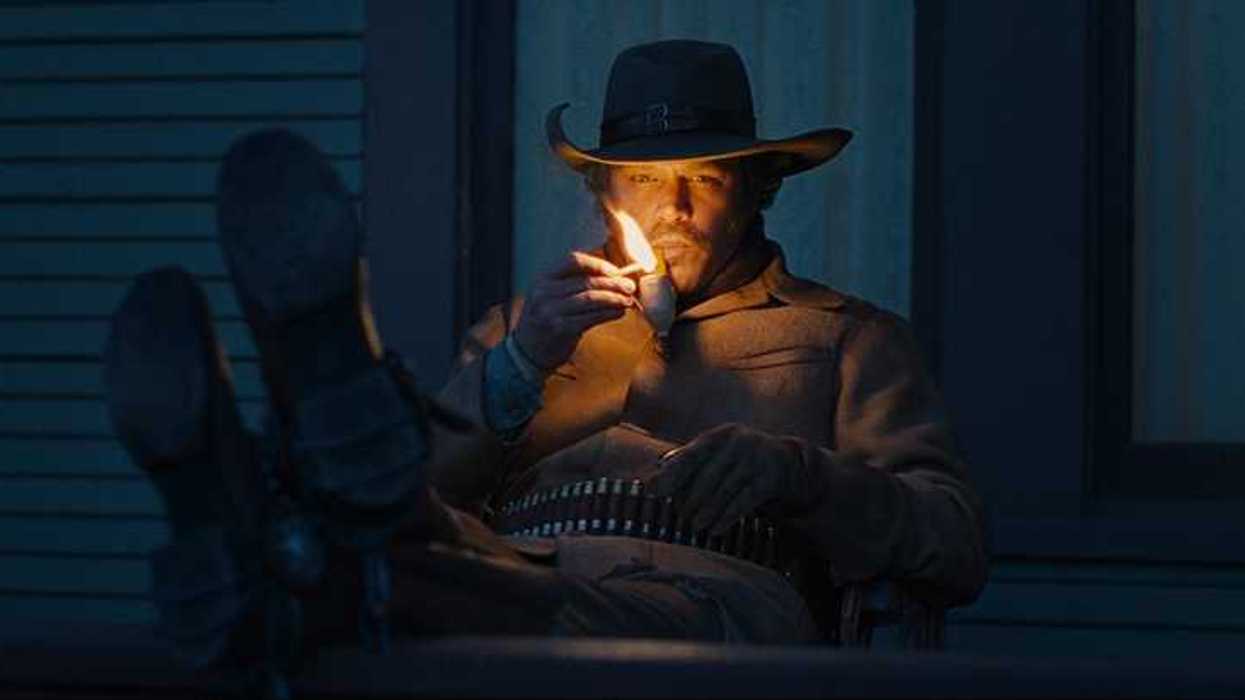
'True Grit'
There is something so sumptuous about the images Roger Deakins puts on the screen. He's collaborated with some of the best directors of all time, getting his vision onto the big screen and helping tell stories, all while staying mostly in the shadows he lit, letting those visuals propel the story without ever taking us out of it.
The reason he does this is a single, guiding principle that has led his career: cinematography should never draw attention to itself.
His point of view is that it ought to serve the story, blending seamlessly into the background so the audience remains entirely immersed in the narrative.
While that sounds good, I think if you pulled up Deakins's filmography, you could see many of the images he put on screen in your mind's eye. They stick with you because of your visceral and emotional reactions to this idea.
So is this a contradiction, or does it sort of prove his point?
Let's dive in.
- YouTube www.youtube.com
Deakins's Invisible Storytelling
I just think Roger Deakins is maybe the best cinematographer ever. He set the bar so high, and his career has spanned decades, building on the people who came before him and molding the next generations as well.
His general philosophy is just keeping the audience in the movie.
Sure, the guy puts incredible visuals on the screen, but he only uses ones that complement the story at hand, so we get immersed in the world, and we're moved by the beats of the narrative.
"If somebody says, 'Oh, that was a really great movie,' that's what I want to hear — not 'Wasn't that a brilliant shot?'... because then I think it's taking the audience out of the film."
— Roger Deakins
Some Examples
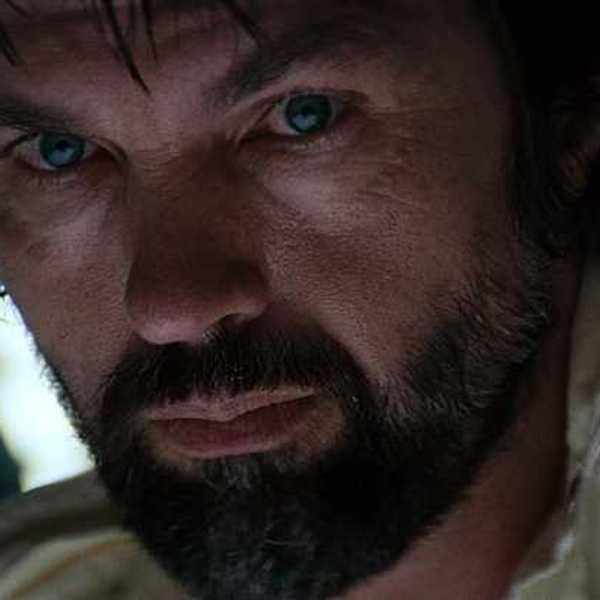
Let's start off by talking about Denis Villeneuve’s work in Prisoners. This is a movie that's firing on all cylinders. And it's taking massive chances, too.
Think about the Prisoners' shot of the tree trunk, just placing us in the weirdness and surrealness of the story.
The whole movie shows the Deakins philosophy firing on all cylinders.
Take the scene where Detective Loki descends into a pitch-black basement. We don't get artificial rim lights or moody blue fills across the room to make it look cinematic.
Instead, we get this spooky room swallowed by darkness, except for some daylight slipping through an open doorway and the beam of a flashlight.
You are uncomfortable with the characters. Straining for vision with them. Really worried about them.
You are in the story, and the visuals took you there.
Ot how about The Assassination of Jesse James by the Coward Robert Ford?
Deakins shoots a late-night train robbery by bathing the landscape in darkness, with only a locomotive light glowing.
Then, out of nowhere, we see Brad Pitt's character step into frame with a lantern and show that there's something else out there in the night, and we get the mystique of the outlaw.
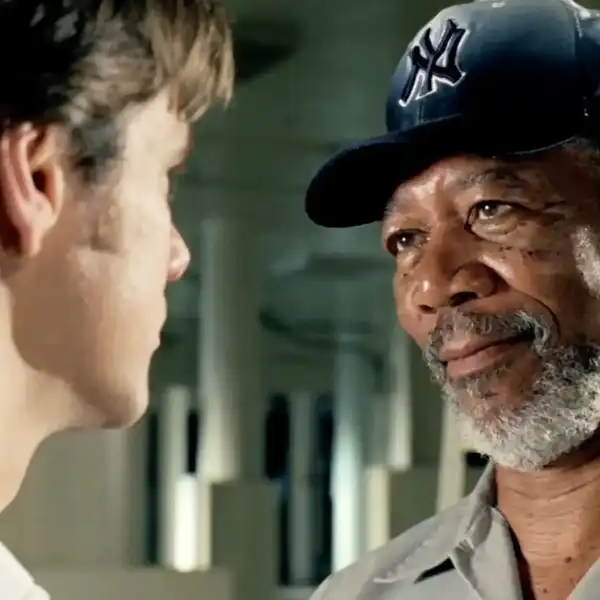
Now, I want to uto think about these shots, or other Deakins shotsl ike Andy Dufresne raising his hands to the sky or anything from Skyfall.
Well...are these invisible?
I guess, in the version of the world for each of these movies, they actually are, even if they stand out in our heads.
You’re having a visceral, physical reaction to an image that will stick with you long after the credits roll.
All without taking you out of the moment.
Summing It All Up
The Deakins way is one we've long appreciated here.
I find that the best cinematographers know how to draw us in with visuals that match the story and pull out the emotions we need to vibe with the narrative.
Deakins is the best because he can change these visuals on a dime depending on what each movie needs.
It's something to study and to emulate.
Let me know what you think in the comments.