The 7 Ingredients Every Great Script Needs
Michael Weiss breaks down the spices of a great story.
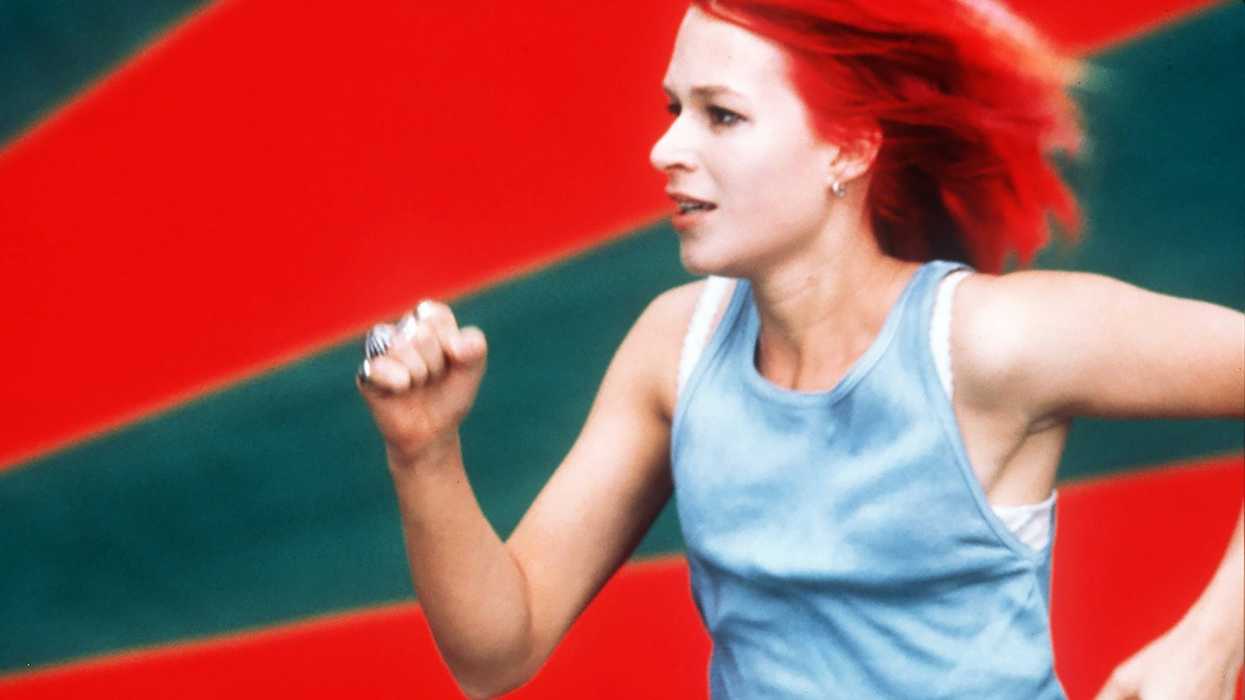
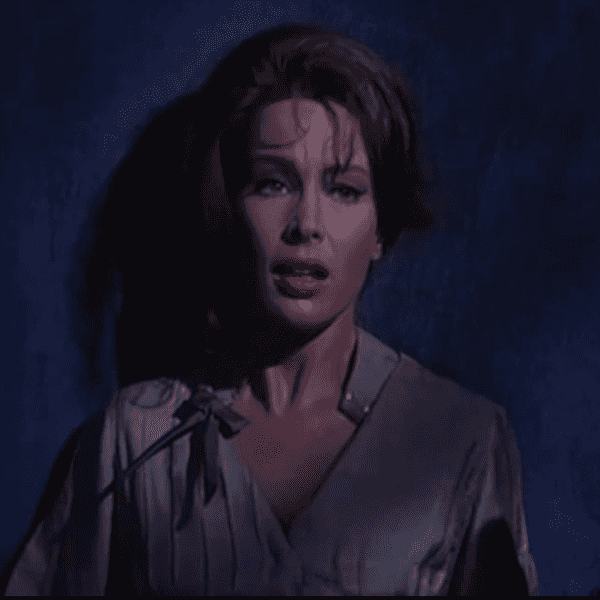
'Run Lola Run'
There are so many ways to approach story construction. You can be big on structure and hitting beats by certain points. You can focus on the world. You can lean into set pieces and visuals. Or you can focus on relationships between characters. Or you can do it all at the same time.
Michael Weiss is a WGA screenwriter. He has more than a dozen produced films. The biggest is Journey to the Center of the Earth with Brendan Fraser. He has also written franchise follow-ups, including The Butterfly Effect 2, The Scorpion King 4: Quest for Power and Jarhead 3: The Siege. He teaches screenwriting at Chapman University's Dodge College of Film and Media Arts.
Weiss thinks that's only part of a story's heart. His new book, Beyond the Hero: Relationship-Driven Screenwriting, argues that great movies are driven by a core relationship between two central characters. In a new interview with Film Courage, he walks through the seven "spices" he has writers work through before they outline. Let's learn Weiss' seven-ingredient brainstorm formula.
- YouTube www.youtube.com
What Are the Seven Ingredients?
The seven ingredients, in the order Weiss gives them, are world, hero, problem, core relationship, genre, tone and examples. He's clear that the pattern came from studying finished films. The book's job is to make that pattern usable on a blank page.
"The real importance of the book is to say, I recognize this pattern. I'm looking at these great movies. Now me, blank page, starting from scratch, original idea. What do I do?"
He says people keep asking why the core relationship comes fourth on the list. His answer is that a writer still needs an interesting hero with a problem before anything else. The hero's journey is often what drives the plot.
"There's no movie without number four. No great movie. There's a movie but not a great movie."
A World Doesn't Have to Be a Place
Weiss starts with world because he thinks many writers overlook it. Worldbuilding is fun but a lot of work, especially if you're inventing wholesale, maybe even entirely new planets, technologies, belief systems, and more. But most beginning writers set their story in the "normal" everyday modern world. But it's a missed opportunity if you aren't being specific to a time and place.
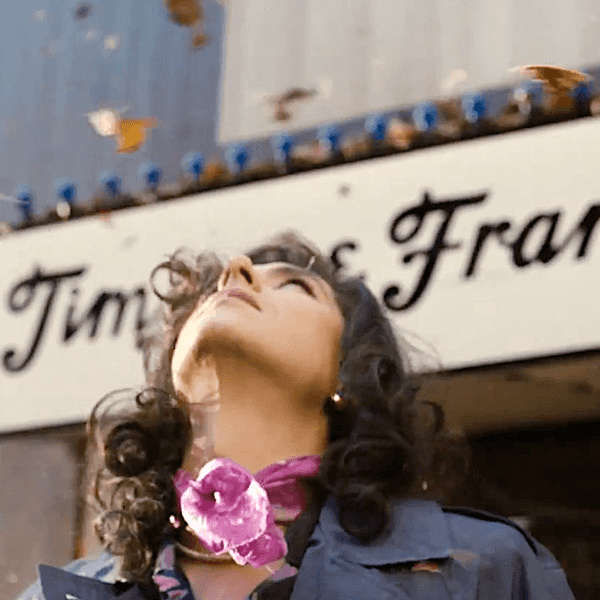
In Lady Bird, the worlds are small-town Sacramento and senior year of high school. That's going to be different than the world of an aging rodeo rider in Texas, or a high-powered attorney in New York City. Those are all worlds that can be developed separately and will affect the story in new ways.
Weiss says to use every inch of each one, like its moments, props, and locations.
A world also doesn't have to be a physical place.
"It could be conceptual, like Knocked Up," he says. "What's the world of that movie? It's not location. It's first-time parenting. That's the world. So world doesn't have to be a setting or location. It can be conceptual."
In F1, it's worldwide racing. In Nirvanna the Band the Show the Movie, the world is the friendship between two failed Canadian musicians.
Genre, Tone, and Movies to Borrow From
The last three ingredients come fast. Picking a genre isn't enough. You also need its tone. A comedy could be raunchy, family-friendly, sports, romance, or broad. A horror film could be psychological, folk, comedy, zombie, or found footage. A drama could be dark and disturbing, or a warmer family drama. Tone is like a lens for story. It will dictate your dialogue, pacing, and more.
"Examples" means finding films you love and using them as models while you build your own story. You probably already do that without thinking when you look at comps.
All seven ingredients belong to the brainstorming stage, before you outline.
Make Your Hero Unfit for the Job
Flawed heroes are standard screenwriting advice because they're just so dang easy to root for. If you have an unlikely or reluctant hero, that gives you conflict! Frodo doesn't really want to take the Ring, but he will despite his size. In Run Lola Run, Lola is thrust into a 20-minute sprint across Berlin to save her boyfriend against her will. In Project Hail Mary, Grace refuses to be a hero but gets recruited anyway with zero astronaut experience.
"What I try to emphasize in the book, the way it ties into core relationship, is that the lead, the hero, should be unfit for their particular quest and journey, but in many ways unfit for the relationship they're going to be in as well."
His example is The Devil Wears Prada. Andy wants to be a serious journalist and thinks fashion is trivial, so she's badly suited to the job. Miranda sees it right away. Conflict!
CODA is his other example. Ruby can sing, but her family is deaf and depends on her, so chasing the dream pulls against them.
Characters Are Unfit for Each Other, Too
In The King's Speech, a future king who can't speak in public needs a speech therapist. On paper, that's the perfect match. But you still want tension in a two-hander.
"I mean, in some ways, a speech therapist would be the perfect fit for him, but because of who his personality is and who the speech therapist's personality is, they're not fit for each other to be together, right?"
This is your chance to use the enemies-to-friends trope, which is one of the most satisfying turns a story can take. Making two characters move from hatred to love is so gratifying.
Take Blake Snyder's Irony Further
Weiss credits Save the Cat with changing how screenwriting was taught when he started teaching. He thinks Snyder stopped short on irony, though. Snyder applied it mostly to loglines and titles, not to the characters.
"His notion of irony—I feel like he didn't even think it through far [enough]. I'm saying you could go even further with it, which is your character should be like ironically unfit for whatever they're trying to do."
The ways they're unfit could be mentally, physically, or philosophically.