Before there were superheroes, there were samurai, and they were being recruited one by one by a small, helpless village in Akira Kurosawa’s timeless 1954 Japanese classic, Seven Samurai.
Along with many of Akira Kurosawa’s remarkable films, like Rashomon, Seven Samurai is among the most influential films of all time. There were many reasons for it—from direction and camera work to acting and story. Everything was the epitome of masterful filmmaking. Another thing the movie is widely known for is establishing the “assembling the team” trope. Since its popularization, the trope has been remade, reimagined, and homaged numerous times in genres ranging from Westerns to sci-fi.
Let’s understand how Seven Samurai created the “assembling the team” trope.
Seven Samurai (1954)
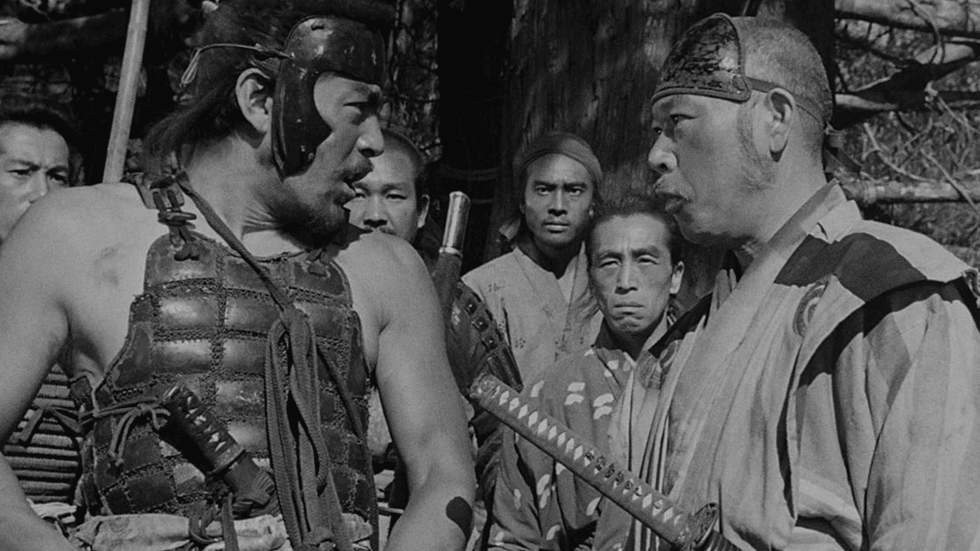 'Seven Samurai' (1954)Credit: Columbia Pictures
Story
Akira Kurosawa’s story chronicles the struggle of a small farming village in rural Japan during the 16th century, the Sengoku Period. The poor villagers discover that they will soon be overrun by bandits who plan to loot, kill, and rape the villagers. Helpless to defend themselves and on the brink of starvation, they travel to the nearest town to recruit samurai to defend the village.
The villagers successfully persuade one samurai to take up their case, who then recruits six other samurai. Together, they form a plan to fight off the bandits.
Recruiting the Defenders
The iconic recruiting sequence takes up almost one-third of the Seven Samurai’s runtime.
The First One—the Leader
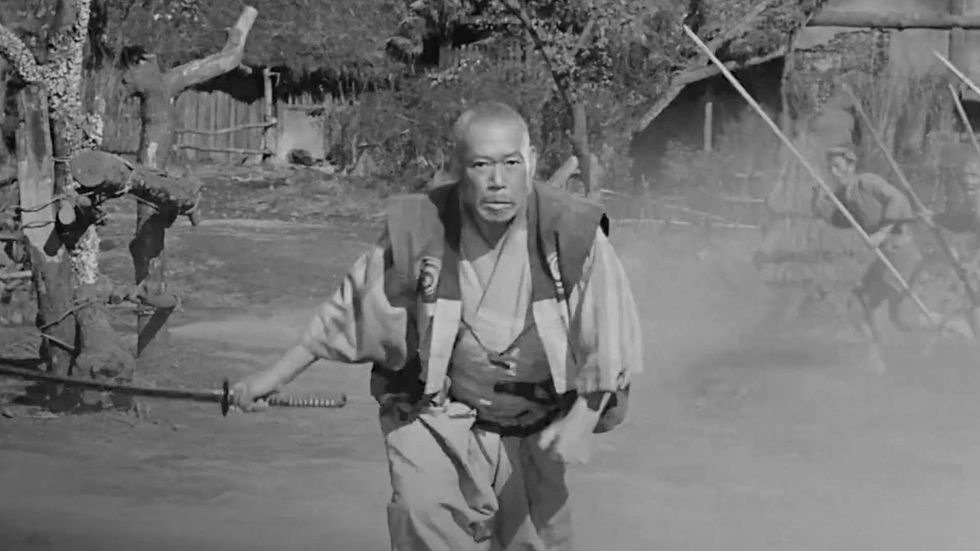 'Seven Samurai' (1954)Credit: Columbia Pictures
The formation of the team begins with villagers approaching Kambei (Takashi Shimura). He is a street-smart samurai who risks his own life to save a child held hostage by a thief. He poses as a poor priest and tricks the thief into letting his guard down—then kills him and saves the child. He understands the villagers’ problem before recruiting the others.
So by default, Kambei becomes the de facto leader of the group. Kurosawa subtly highlights the selection criteria: not just the tactical skill but also the moral code and character.
Rest of the Nest
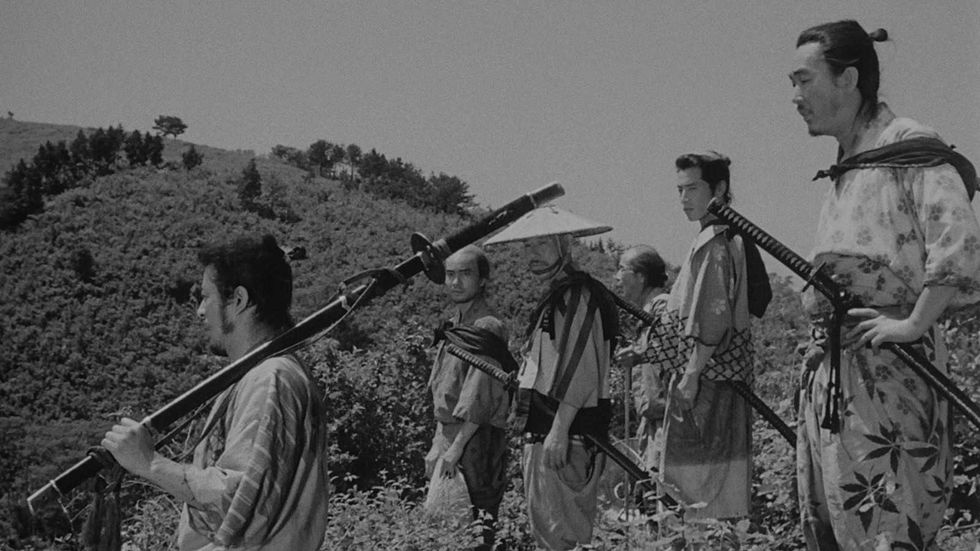 'Seven Samurai' (1954)Credit: Columbia Pictures
Katsushiro (Isao Kimura) is a young, inexperienced samurai who requests Kambei to take him on as his apprentice.
Gorobei (Yoshio Inaba) is the first samurai recruited by Kambei and becomes the second-in-command during the bandits' attack, courtesy of his strategic thinking.
Shichiroji (Daisuke Kato) becomes Kambei’s trusted comrade, who manages the training of farmers. Also, he is among the few samurai who survived after the final battle against bandits.
Heihachi (Minoru Chiaki), despite his limited skill, kept the team’s spirits high during their struggle.
Kyuzo (Seji Miyaguchi) is selected for his extraordinary swordsmanship and restraint after the team witnesses him refuse to fight a man he can easily defeat.
The Fraud Seventh Samurai
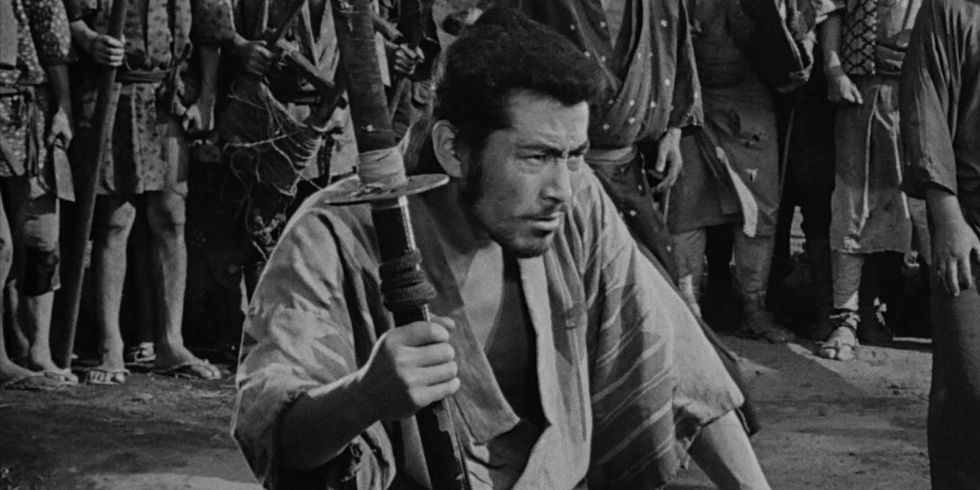 'Seven Samurai' (1954)Credit: Columbia Pictures
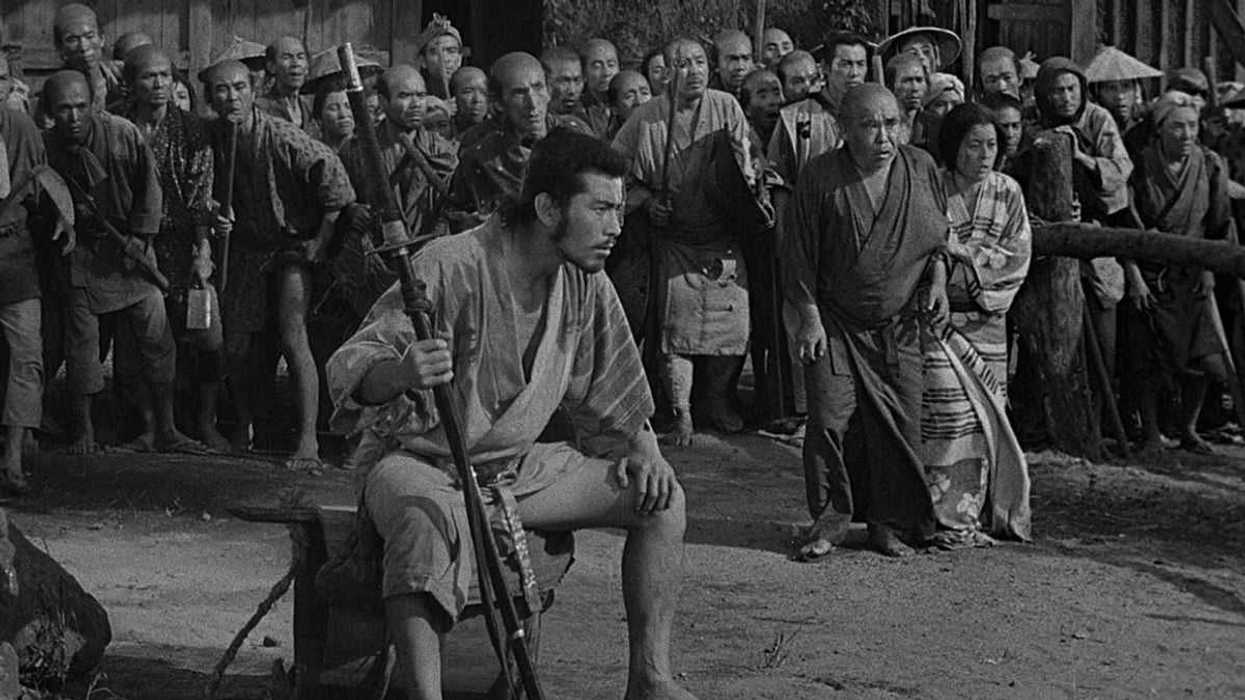
Last to join the team is Kikuchiyo (Toshiro Mifune), who first stalks the team and initially gets rejected. You can say he is the film’s comic relief. He carries a fake samurai pedigree, while in reality he is the son of a lowly farmer—the very people the samurai are hired to protect.
But he desperately wants to be a samurai in a world where he’s told he can’t be one. Eventually, realizing his loose-cannon energy, Kambei recruits Kikuchiyo despite not being a true samurai. By the end, Kikuchiyo lives by the samurai’s code and dies while defending the village.
Kikuchiyo earns his honor and a place on the team.
Kurosawa’s Preparation to Assemble the Team
Most of Akira Kurosawa’s scripts were fairly simple stories, but became great through top-notch filmmaking, shot compositions, and atmospheric music. For that, he prepared intensively before shooting his movies.
Before assembling the team in Seven Samurai, Kurosawa wrote highly detailed pages for every character, including their favorite foods, reactions, backstories, and motivations.
His character-first approach to writing the story made every samurai feel authentic and rich. Also, we met every character individually in their own dedicated scenes, which helps the viewers connect with them before they join forces.
The Global Influence of “Assembling the Team”
The Seven Samurai’s influence on modern cinema is staggering. The theme of “heroes assemble” has been remade and reinvented several times in movies such as The Magnificent Seven (1960), which replaced swords with guns.
George Lucas’s Star Wars franchise also followed a similar template laid down by Kurosawa. Moreover, Ocean’s Eleven (2001) and Marvel’s The Avengers (2012) have most famously used Kurosawa’s roadmap to assembling a team.
Apart from being the forebear of nearly every assemble-the-team film, Seven Samurai is also the first modern action movie. Kurosawa used tropes of dramatic slow motion and the reluctant hero, and was himself influenced by John Ford films.
Summing It Up
During its daunting three-hour-plus runtime, which goes by pretty fast due to its effective editing, Kurosawa explores the dynamics of bringing together a team effectively and cinematically. Every time a film pauses its plot to introduce one last team member, it can be traced back to Kurosawa, making Seven Samurai one of the most influential foreign films of all time.
- Watch: This is Why Akira Kurosawa Was a Master of the Action Film ›
- How Legendary Director Akira Kurosawa Used Movement to Tell His Stories Visually ›
- 10 Filmmaking Tips from Akira Kurosawa ›
- 10 Essential Directing Lessons From Legendary Filmmaker Akira Kurosawa ›
- Akira Kurosawa’s Top 11 Movies of All Time ›
- Film Quote of the Day: 'The Last Samurai' Line That Quietly Defined Purpose | No Film School ›