There are days when I just get really sad that Stanley Kubrick died so young. I'm not sure how many more movies we would have gotten, but there would have been one more.
None of us has unlimited time on this earth, and that's why choosing to be a filmmaker and to pursue your art matters. You never know what project will be your last.
Time is the most valuable thing we have. And Kubrick knew that.
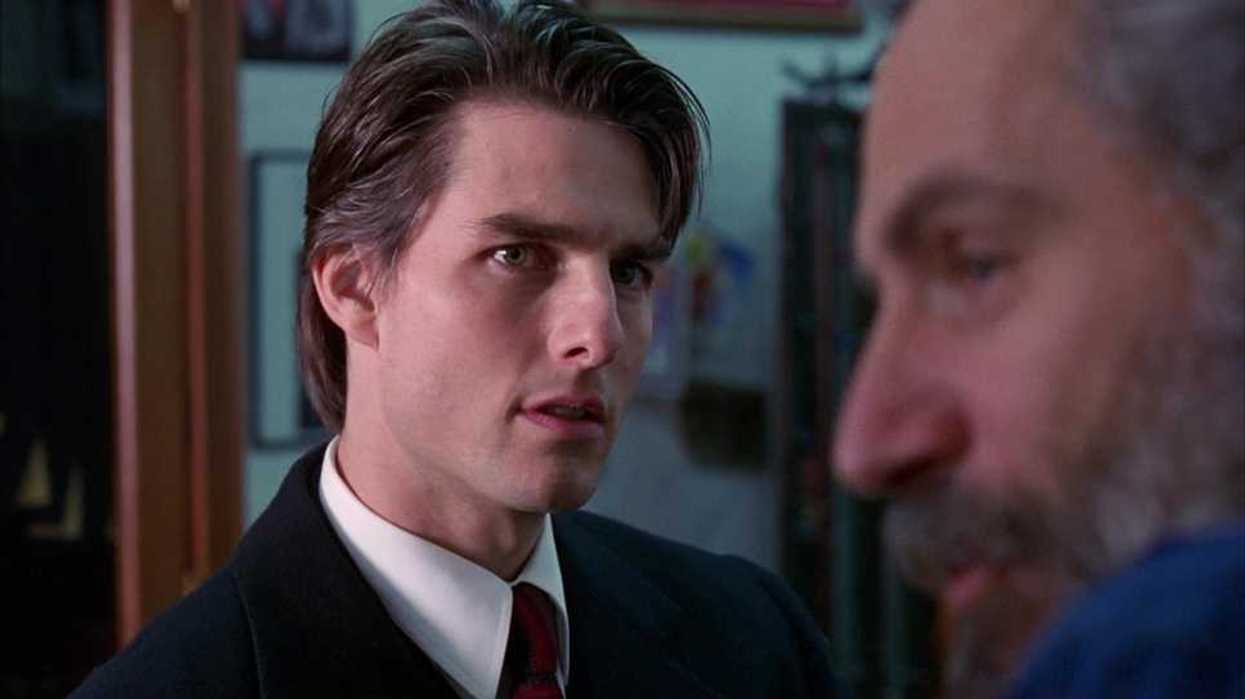
According to Tom Cruise, who spent an unprecedented 400 days filming Eyes Wide Shut, the most critical element of any Kubrick production wasn't the budget. it was the time required to get it right.
In a recently resurfaced clip, Cruise breaks down exactly why Kubrick’s relationship with time made him one of the greatest masters of the craft.
Let's dive in.
The Evolution of an Idea
One of the most frustrating parts of making a movie at any level in or out of the studio system is the schedule. Often, a director realizes what a scene is actually about only after the cameras have stopped rolling.
And most people don't have the unlimited money it would take to keep the cameras rolling for all he takes you'd want to do.
But Kubrick was a master who used all his power and clout to get what he wanted.
In the video, Tom Cruise explains Kubrick's process.
"Ideas take time," Cruise explains. "So many times when you’re making a movie, you’re bound by a structure... Stanley [Kubrick] would take that time to allow it to evolve".
For Kubrick, the script wasn't a locked document, but a starting point. By refusing to be rushed, he ensured that he never looked back at a project wishing he’d had the "aha!" moment sooner.
Focus Through Total Immersion
Despite his reputation for being "slow," Cruise clarified that Kubrick was never idle on set. He was a workaholic who was constantly "editing when he was editing" and "directing when he was directing".
The director was known for doing over 30 takes for scenes and sending faxes to his actors at all hours of the night and the morning. He wanted things done his way, and to find the right version of that, too. This proved that while he was patient with the creative process, he was relentless in his pursuit of it. He didn't waste time; he invested it.
Getting the Scene Right First
Cruise worked with Kubrick on the set of Eyes Wide Shut. During that collaboration, Cruise witnessed Kubrick’s method for finding the heart of a scene involved stripping away the technical distractions.
Before the lights were set or the crew was brought in, it would just be Kubrick and his leads, Cruise and Nicole Kidman.
"He’d watch us walk around, he’d look at the staging, but he’d first work on 'let’s get the scene right'". They prioritized the performance and the truth of the moment over the logistics of the shot. And Kubrick ensured the foundation of the film was unshakable.
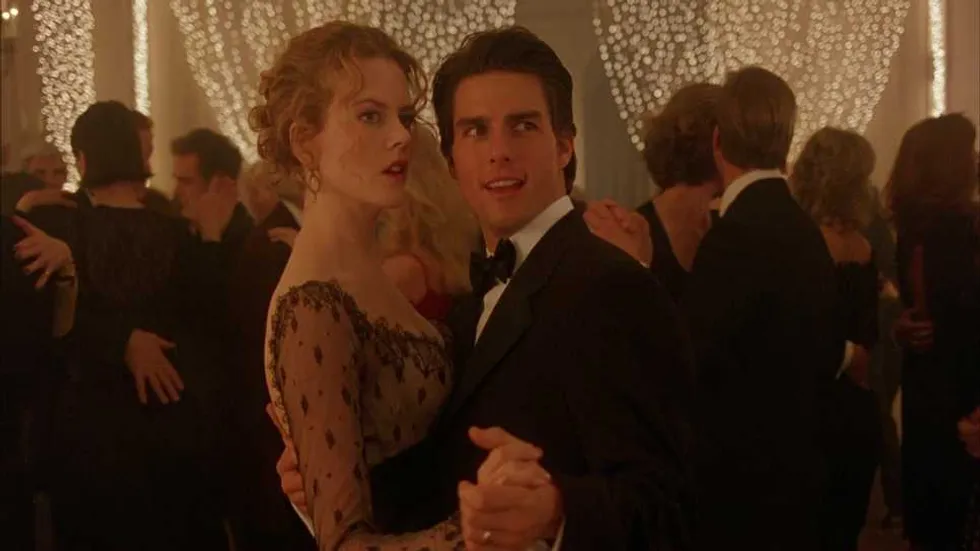 'Eyes Wide Shut' Credit: Warner Bros.
The Takeaway for Filmmakers
Okay, so I know that most of us don't have the luxury of a 15-month shooting schedule. In fact, I have friends who are shooting micro-budget movies in just over two weeks.
But the lesson remains the same for everyone at every level: don't rush the discovery.
Whether you’re in pre-production or on set, carving out even a small window of "protected time" to let your actors experiment or to let an idea settle can be the difference between a competent scene and a masterpiece.
Take your time before you HAVE TO shoot. Get the script right. Meet with talent. Do what you need to do in prep, so you have it right before you get to set.
Summing It All Up
As Kubrick proved, the clock is only your enemy if you haven't done the work to master it. Do the prep work and make sure you're in charge of all the elements.
Then attack your project with your vision and maximize the time you have.
Let me know what you think in the comments.