Steven Spielberg's Take on Stanley Kubrick's Singular Vision
Listen to one great dissect another.
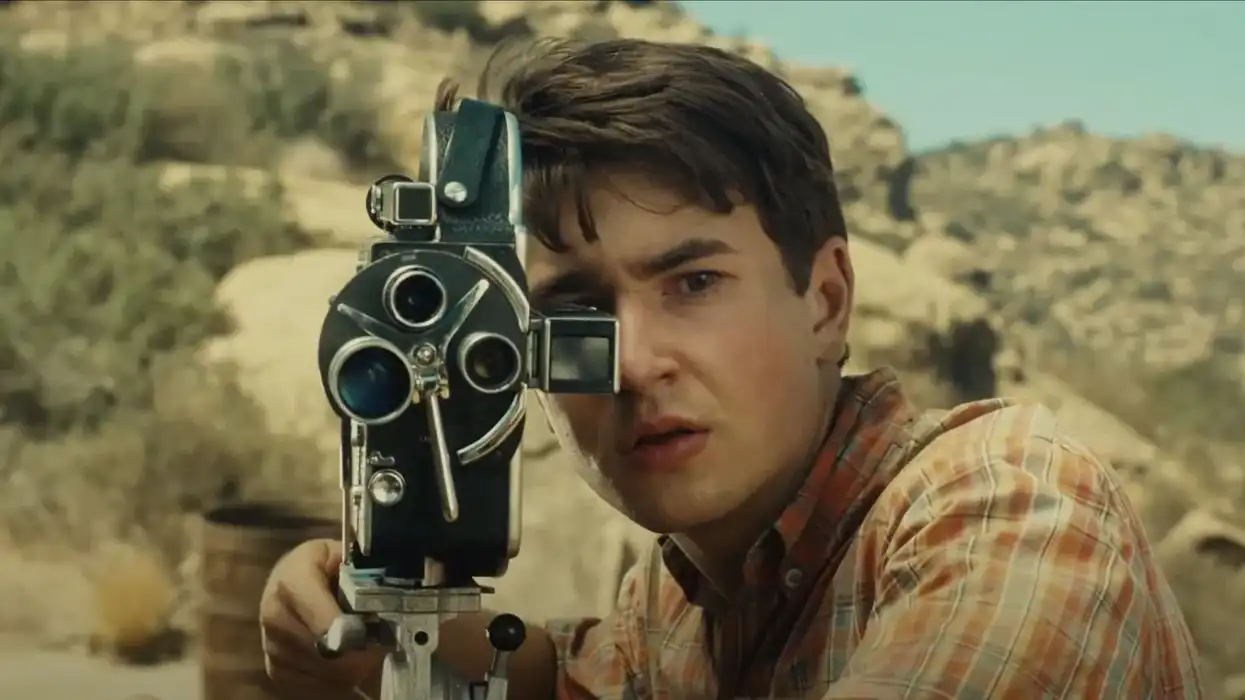
'The Fabelmans'
Steven Spielberg is my all-time favorite director, and Stanley Kubrick is probably hot on his heels, with Scorsese and Hitchcock interchangeably there as well.
So, when I saw there was a YouTube video of Spielberg discussing Stanley Kubrick and his influence over him, as well as his singular vision, I had to watch.
What I saw was a fascinating dissection of who Kubrick was and what his films mean to Spielberg.
Let's dive in.
Steven Spielberg on Stanley Kubrick
In just three minutes, I feel like we got a really succinct and direct answer about what makes Lubrick so great. Spielberg starts off talking about Kubrick's singular vision, with each film stemming from intensely unique concepts.
Kubrick was renowned for his thorough exploration of subjects, meticulously dissecting them to a point where, as Spielberg puts it, there was "nothing further to examine."
One thing I love about Kubrick, that Spielberg says he's almost imitated, is that Kubrick never returned to the same genre twice. His filmography is praised for its eclectic subject matter. He dug into a multitude of genres with each new project.
Spielberg illustrates this by contrasting iconic films like the groundbreaking science fiction epic 2001: A Space Odyssey with the period drama Barry Lyndon, or the satirical dark comedy Dr. Strangelove with the dystopian A Clockwork Orange.
Despite this genre-hopping, a consistent technique and artistic style unified Kubrick's diverse body of work. His distinctive filmmaking craft and "fierce eye" were evident in every frame, creating a signature that was unmistakably Kubrick.
That's what being an auteur is all about.
Spielberg and Kubrick were famously very close friends, so hearing Spielberg offering a vivid description of the man behind the camera was really special. He remembers Kubrick's eyes as those of a "little boy looking through ages of reincarnated wisdom."
Which is easily one of the coolest ways to describe someone.
Spielberg describes this as a form of "mental surgery" performed by Kubrick's "stunningly ravenous eyes," which were perpetually seeking new information and inspiration.
I also loved how Spielberg said his conversations with Kubrick were always back and forth, learning about what he cared about and someone who was always hungry for new inspiration and hungry to have a conversation with any filmmaker.
Summing It All Up
We're lucky to be alive at a time when we can watch both Spielberg and Kubrick movies and see these men's personalities and their art. We can be affected by them, and when we watch videos like this one, we can learn as well.
Let me know what you think in the comments.
- Get Inspired By Stanley Kubrick's Rare 'Notes on Filmmaking' ›
- This Is Why Stanley Kubrick Did 30 or More Takes for Every Scene ›
- 3 Hours of New Video Essays on the Films and Career of Stanley Kubrick ›
- What Are Stanley Kubrick's Best Shots? ›
- What Moment From 'Jaws' Did Spielberg Borrow From Hitchcock? | No Film School ›
- Steven Spielberg is Not Going Anywhere: "I Have No Plans Ever to Retire" | No Film School ›
- What Advice Did Steven Spielberg Give Gareth Edwards About Directing 'Jurassic Park'? | No Film School ›
- What If Spielberg Directed ‘Harry Potter’? He Almost Did ›
- What Were Stanley Kubrick's Thoughts on Stephen King's Writing? | No Film School ›
- 10 Things Directors Wish They Never Did in Their Own Movies ›
- Stanley Kubrick's Best Movies ›
- What Did Stanley Kubrick Tell Tom Cruise Was a Filmmaker's Most Valuable Asset? ›
- Why Do Filmmakers Love Stanley Kubrick So Much? | No Film School ›