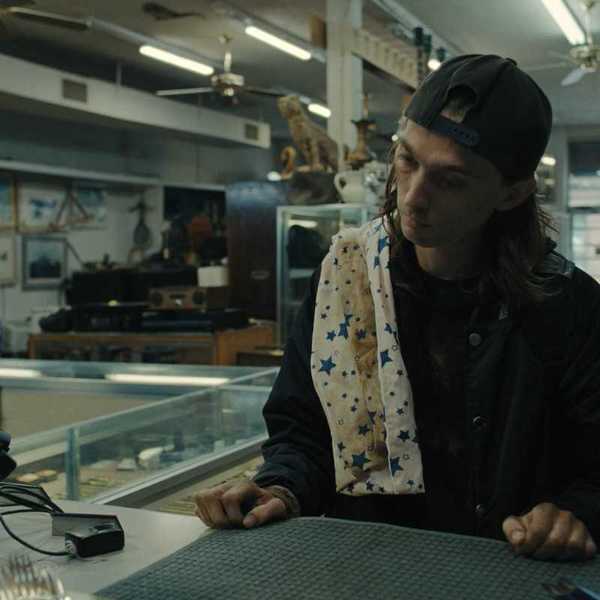
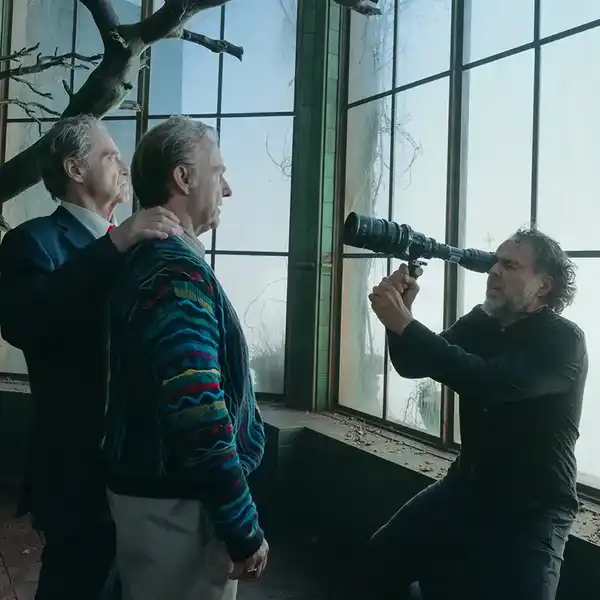
State of the Industry & the Art of Programming with Nicolas Curcio and Imani Davis
“The studios … they are incredibly self‑aware about the moment that the industry is in … but they’re also like incredibly open to trying new things, giving young filmmakers a chance.”
In this episode of the No Film School Podcast, host GG Hawkins connects with two key voices in the film-industry ecosystem. First, she chats with screenwriter and filmmaker Nicolas Curcio to take the pulse of the movie business at the close of 2025—what’s changed, what’s hopeful, and what still needs to shift.
Then, GG talks with programmer and curator Imani Davis of the American Cinematheque to explore the art and mechanics of programming—from year-round curatorial work to the annual Proof Film Festival, which helps shorts leap into features.
In this episode, we discuss:
- The emotional and career‑landscape “temperature check” for creators post‑strikes and entering 2026
- The role of social media, creator‑voice, and audience‑building in today’s writer/director paths
- Why embracing a “patchwork” of gigs (writing, podcasts, video content) may be more realistic than the old one‑track screenwriter dream
- Why clean spec scripts are “back” and what that signals for writers getting in the door
- What a film programmer actually does—how someone like Imani rates submissions, builds curatorial strategies, leverages relationships
- The difference between ongoing programming (year‑round screenings at an institution) vs. annual festival programming (with a fixed offer to submit, schedule, and panels)
- Inside the Proof Film Festival: what makes a short film “feature‑expandable,” and what kind of statement or vision catches the eye of programmers & studios
- How programmers balance gut feelings, industry data/timeliness, and filmmaker readiness when selecting films
- The specific flaws and tired tropes they’re seeing in short films right now (yes: the “influencer vlogs” and basic “AI cautionary tales”)
- How to start in programming: from basement screenings and volunteer festival committees to full‑time curatorial work
- The importance of mentorship, networking, and building a community around film culture
- Lastly, quick advice to emerging creators — find a way to stand out, build your voice, and force people to pay attention
Subscribe to the No Film School Podcast on:
Get your question answered on the podcast by emailing podcast@nofilmschool.com
Listen to more episodes of the No Film School podcast right here: