Did Steven Soderbergh Cross a Line Using AI in His John Lennon Doc?
Is this just a bunch of AI slop or the future of documentaries?
'Help'
The use of AI to bring dead people and their voices back to life is so controversial right now. So it should be no surprise that headlines all over are balking at the idea of Steven Soderbergh using it to resurrect John Lennon.
But let's back up a step.
Steven Soderbergh has always been the industry’s favorite early adopter. Whether he’s shooting an entire feature film on an iPhone (Unsane) or self-distributing via an app, he’s never been one to shy away from the "new."
But according to a recent report from The A.V. Club, Soderbergh is using AI to bridge the visual gaps in his upcoming documentary about John Lennon and Yoko Ono.
And that has a lot of people feeling uneasy,
The film centers on a massive three-hour interview the couple gave to RKO Radio just hours before Lennon’s tragic death in 1980.
While 90% of the film is composed of archival stills and footage, Soderbergh found himself stuck when the conversation turned from the literal to the metaphysical.
And he turned to AI for it.
"Thematically Surreal Images"
I understand the want for footage you don't have. That's every filmmaker's need. But I would question the ethics of creating doc footage of real people. Even if it's just them sitting and talking.
So, when Lennon and Ono start talking philosophically, there isn't exactly B-roll of their internal thoughts. Soderbergh’s solution? AI-generated visuals.
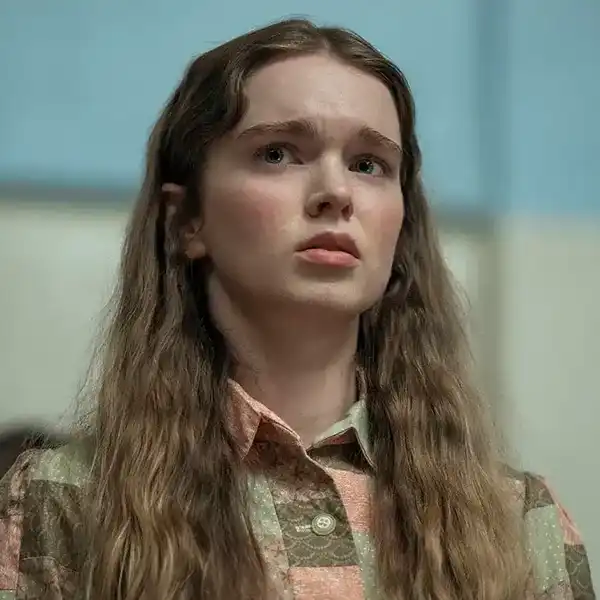
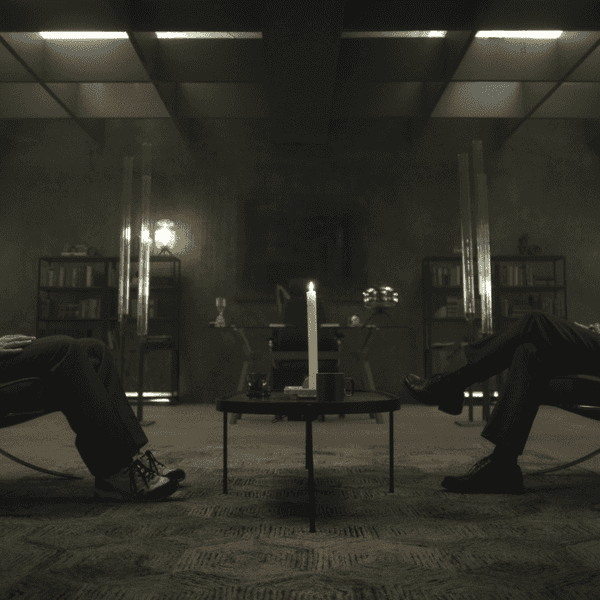
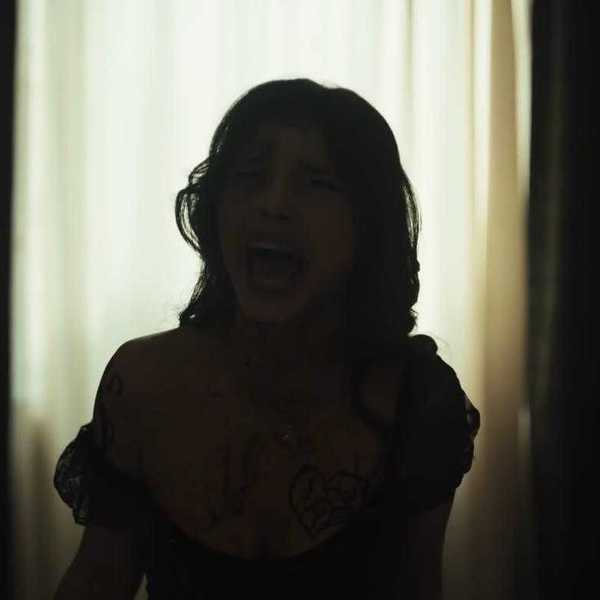
Soderbergh described the process to Filmmaker Magazine as creating "thematically surreal images" that act as a visual version of what their words are trying to transmit.
Without seeing that in action, it's hard for me to imagine what he means. So I am choosing to reserve judgment until I see how this plays out.
The director isn’t just letting the machine run wild. He admitted the process "desperately requires very close human supervision." These "little pockets of images" account for about 10 minutes of the 90-minute runtime.
Why This is Controversial for Documentary Filmmaking
For No Film School readers, the debate isn't just about whether the images look "good." It’s about the ethics of the medium.
Critics, including The A.V. Club, have already dubbed the results "Liverpudlian slop."
And I think it's going to be hard to beat those allegations.
I think many people agree that AI visuals lack the intentionality and soul of human-created art. So how do they make sense when you're dealing with figures as iconoclastic as Lennon and Ono?
There's also the fact that in a documentary, there is an unspoken contract with the audience regarding what is "real." By inserting synthetic imagery into a historical record, does the filmmaker risk devaluing the authentic archival footage surrounding it?
What Do You Think?
I have to admit, I'm still very up in the air about this whole thing. It just feels wrong and outside the spirit of what a doc should be, or what Lennon stood for.
So I turn the big question over to you.
Is AI a valid tool for visualizing the unfilmable parts of a documentary, or should we leave the surrealism to human animators and cinematographers?
Let us know in the comments.
- Game-Changers and Missteps in AI in Documentary Film ›
- Daniel Kwan Spent 3 Years Staring into the AI Abyss. He Came Back with a Warning (and a Map) ›
- The AI Doc Breakdown: Filmmaking in the Age of Uncertainty ›
- Sandra Bullock Wants You to Make AI Your "Friend" ›
- The AI Arms Race Hits Film School ›
- Steven Soderbergh Released an App That Chronicles Every Shot in 'JAWS'—and It’s Amazing | No Film School ›