We all know Quentin Tarantino is a walking encyclopedia of cinema, so whether he's dissecting the French New Wave or singing the praises of exploitation flicks, his recommendations usually come with some kind of filmmaking lesson.
That's why I love listening to him wax about Hollywood and his inspirations. It 's like going to a film school class with a really cool professor.
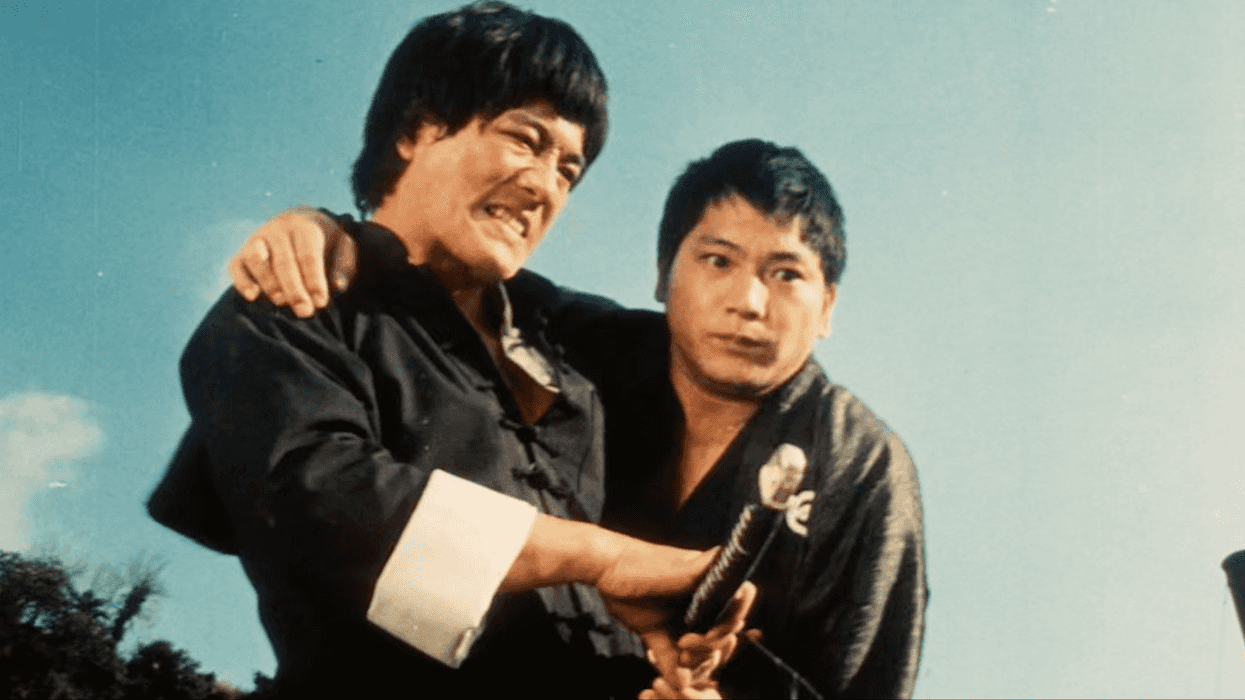
Tarantino appeared on the Pure Cinema Podcast in 2020, where he directed his attention toward a film that many might dismiss as a cash-grab: Fist of Fury II (1977).
But Tarantino argues it possesses a rare quality for martial arts films of that era: great dialogue.
So, amidst all these punches and kicks, the screenplay is still sizzling. There's actually a free link to watch this movie, which I'll include below.
Let's dive in.
- YouTubewww.youtube.com
What Happens in the Movie?
If you haven't seen the movie, Fist of Fury II, it's set in Shanghai immediately after the execution of Chen Zhen (Bruce Lee’s character from the first film), his brother Chen Shan (Bruce Li) arrives to find the Ching Wu school destroyed by Japanese occupying forces.
Shan engages in a violent campaign of revenge against the new Japanese master, Miyamoto (Lo Lieh), which culminates in a lethal duel to restore his family’s honor and the school’s legacy.
But it isn't the punches or the kicks that caught Tarantino's eye.
The Calligraphy Scene
In most action films, the pre-fight dialogue is purely functional. Its exposition is meant to bridge the gap between stunts. And man, this movies really work. I love kung fu movies, and we've gone over that a lot here.
But Tarantino points out that Fist of Fury II takes a left turn right before the climax.
"When they have the final confrontation ... as opposed to the 'You bastard, I'm going to kill you ...,' they have a very interesting discussion for a second before they fight. Lo Leih is practicing his calligraphy, he's working on Chinese calligraphy, and Bruce Li looks at it and goes, 'Oh, no, this is actually quite good. You're very talented.' And Lo Leih is like, 'Oh, no, no, not really. I'm only playing around.'""
Why This Dialogue Works
There is a major lesson here for writers working on action scripts: Subvert the emotional expectation of the audience.
We know there will be a fight in this movie, but this kind of dialogue and character work totally throws us off. And that's all by design.
- It Humanizes the Villain: Miyamoto practicing calligraphy shows that he isn't just a killing machine; he is an artist with discipline. This makes him a more formidable and interesting opponent.
- It Creates Contrast: The juxtaposition of a civilized conversation about art against a fight to the death creates a unique tension that standard trash-talk can't achieve.
- It’s Character Work: Chen Shan’s flattery throws his opponent off balance, which can be to his advantage later when they actually fight one another.
 'Fist of Fury II'Credit: Mubi
Summing It All Up
When you are writing your next fight scene, look at the beats leading up to the first punch. Are your characters just growling plot points at each other?
Are we seeing their connection not just in terms of violence but also in terms of who they are as human beings?
Take a page from Fist of Fury II. Give your characters a moment of calm. Let them discuss the weather, a hobby, or a piece of art. It forces the audience to lean in, making the explosion of violence that follows that much more impactful.
Let me know what you think of this lesson in the comments.