The Art of Editing Fear: Building the World of ‘IT: Welcome to Derry’
Inside the emotional calibration, meticulous timing, and collaborative chaos that shaped the horror of It: Welcome to Derry.
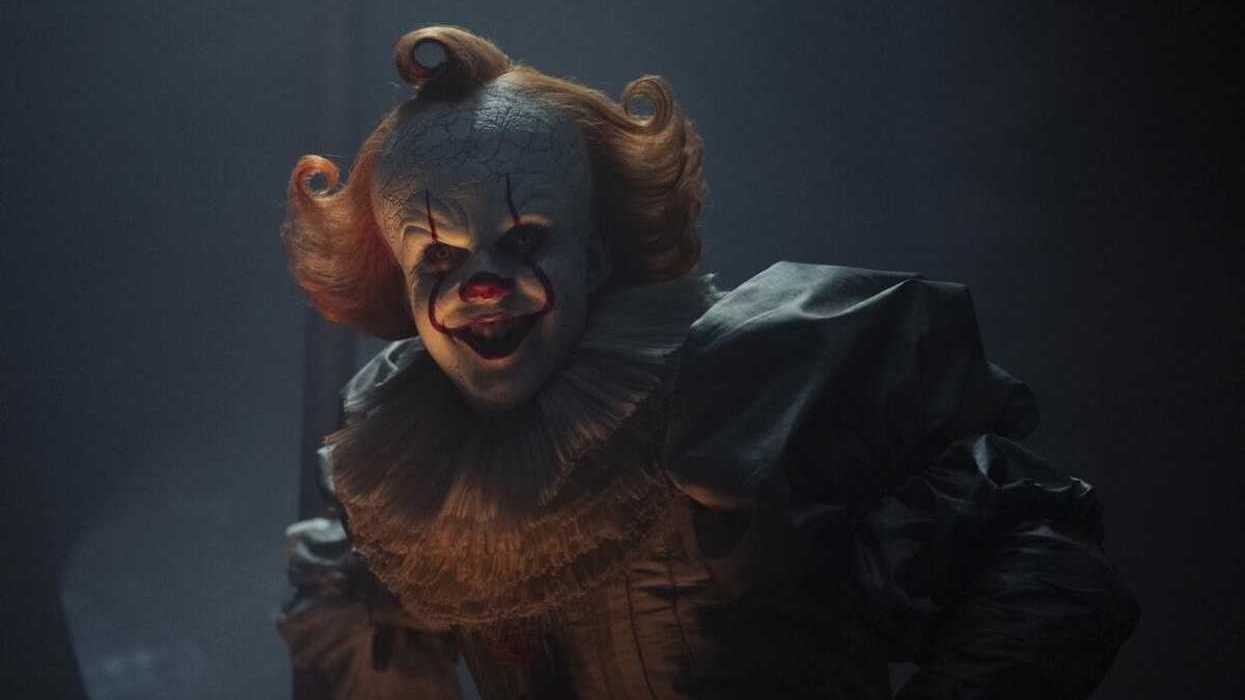
'IT: Welcome to Derry'
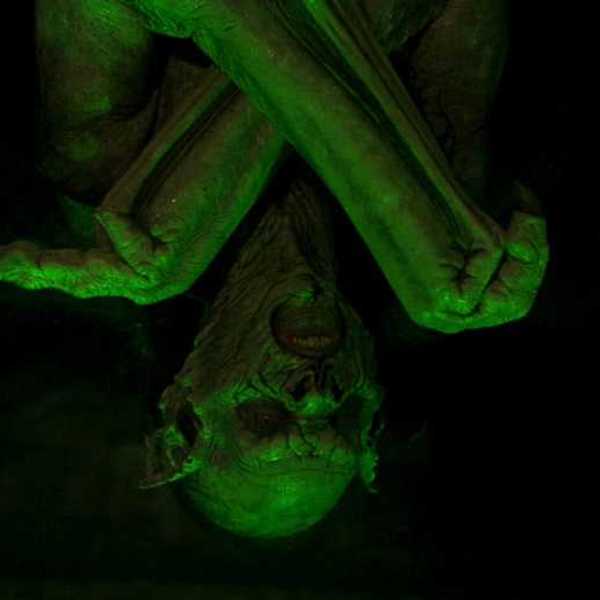
The first day I knew how effective the scares in IT: Welcome to Derry would be was the day my assistant editor had to look away from the screen. The dailies had just landed for a sequence we called “Mother-Thing,” a horrific set piece in Episode 2 in which Pennywise takes the form of Ronnie’s long-dead mother and drags her by an umbilical cord into a tooth-filled maw. My magnificent assistant editor, Janie Gaddy Casey, was prepping the footage when fake blood spurted from Ronnie’s mouth, and she instinctively reached for the trash can, just in case. If it could make Janie flinch, I knew we’d found the right edge to calibrate from.
Editing horror isn’t about cutting for shock, it’s about calibrating emotion – fear, tension, empathy – until the body reacts before the brain does. That became the bar to hit for every scare: it had to feel earned, not forced. I wanted viewers to reach for their trash cans, too. Not out of disgust, but because the moment felt so real. My job as one of the editors on Welcome to Derry was to make sure every scare carried that same weight.
- YouTube www.youtube.com
Humanity and Empathy As the Core of Fear
Fear might drive the genre, but it only works when it’s rooted in empathy. Horror lands hardest when you care about the people in danger. That’s why stories about children strike such a deep chord. Their innocence makes you want to reach into the frame and protect them. If you don’t believe in what the characters feel, the scares have nothing to stand on.
So my first job in building tone is to start not with the scares, but with each character’s humanity. I comb through every frame for the microgestures that make a person feel real: the quiet looks, the tiny mouth shifts, all the subtleties that give the world its texture and life. Those small truths anchor the horror.
Timing is Everything
Once humanity is in place, the rest is timing. That’s where director and executive producer Andy Muschietti comes in. Having worked with him on IT: Chapter Two and The Flash, I already knew how intuitively he thinks in rhythm and tone. On Welcome to Derry, that rhythm became a language between us as we figured out when to let the audience breathe and when to pull the air out of the room.
One of the biggest gifts of this show was getting to cut on set for the pilot’s cold open, which we called the “Station Wagon” sequence. Andy and I had mapped it out in storyboards and previs first, so we could anticipate how the geography and tension might unfold. By the time the cameras rolled, we already knew where the initial complexities would live.
- YouTube www.youtube.com
Andy often comes up with some of his best ideas the night before a shoot, so there were always fresh discoveries when we arrived on set. But because of all the early prep, and because we chose to shoot on a Volume Wall, the actors could run the scene top to bottom with real light and environment surrounding them. That meant that when we came back to the cutting room, we could focus fully on the performances rather than get bogged down by logistics.
Stretching the Limits
Once Andy finished shooting and came to the cutting room, that’s when we could really sink our teeth into the material. He’s deeply familiar with editing and brings a gleeful, collaborative energy to the process. Sometimes he’d love a shot so much that we’d stretch it to its breaking point just to see how far the tension could go.
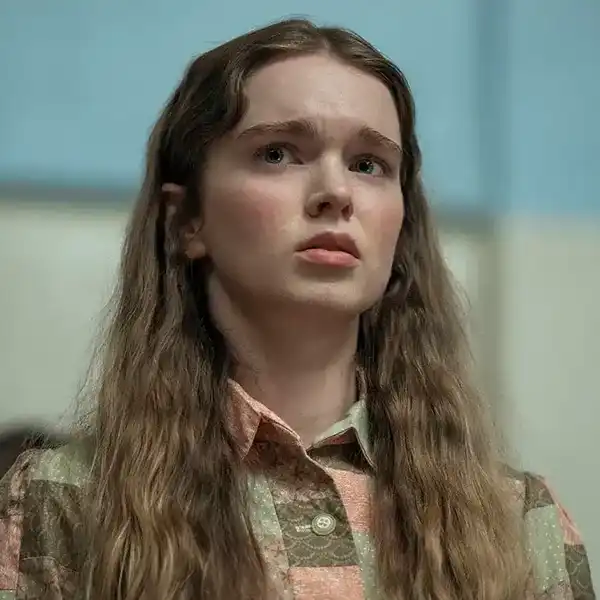
The “Pickle Dad” scare is a good example of that kind of precision. It comes toward the end of Episode 2, but for two episodes, we’d been building an awareness of Lilly’s trauma: leaving breadcrumbs of what happened to her father, using sound design to pull the audience into her fragile headspace where she’s convinced people are whispering about her. But when we reach the supermarket, you don’t want to rush the reveal. You want the audience to sink deep into her paranoia, to feel Pennywise’s breath on the nape of her neck, to question when a head will tilt, or a twisted voice will whisper by. That scene became a delicate dance with Andy about how long to stay inside her fear. The scare lands because it grows out of everything we’d already felt for her. The moment belongs to Lilly.
- YouTube youtu.be
Small Moments, Big Impacts
We approached smaller moments with the same care, still chasing earned tension. Another favorite sequence to shape was the cafeteria scene in Episode 2 because it moves between several tones. The scene intercuts the rhythmic clapping of the girls playing Patty Cake with Ronnie and Lilly’s escalating argument across the room. It’s odd, darkly funny, and tightens until it bursts. That shift in tempo started with a brilliant suggestion from Janie.
We were testing how to raise the tension to match how beautifully acted the scene was, and she suggested using the clapping as the scene’s driving rhythm. It completely reoriented how the pieces connected. Once we tried it, it felt like it had always wanted to live that way. Finding that shape encouraged even more experimentation throughout the season. You don’t want to cut something one way and call it done; you push until you’ve truly exhausted the options.
- YouTube youtu.be
The Joy of Collaboration
What made this process so special was how collaborative it became. This show wouldn’t be what it was without my fellow editors Glenn Garland and Matt Colonna; their assistant editors, Gregg London, Grant Wooldridge, and Ross Wooldridge; and, of course, my own brilliant assistants, Janie Gaddy Casey and Haruka Gerald. We were always watching each other’s cuts, debating the placement of beats, sharing discoveries in real time, and discussing the larger season arc, with bursts of energy spent trying to scare the Warner Bros. tram tours that passed. It kept the room alive. When someone cracked a sequence, you could feel the excitement ripple through the hallway. Andy fostered that same spirit of play. Working with him is a masterclass in creative trust. He approaches every scene like a sandbox, inviting everyone in
the room to test ideas until the moment clicks. That curiosity shaped the show’s balance between horror, heart, and humor.
Reflections
Editing Welcome to Derry was never about reinventing It, but rather about honoring what makes Stephen King’s immortal story endure. The scares have always worked because they’re anchored in emotion and the bonds between people. Pennywise is terrifying, yes, but what stays with you is what he reflects back: fear, loss, and the parts of ourselves we try not to face – and the humanity that keeps us reaching for one another anyway.
For me, the greatest challenge and joy of editing this show was finding that balance. When you’re shaping fear, you’re really shaping empathy. The job isn’t just to make people jump; it’s to make them care so deeply that they can’t look away. Or maybe if they do, it’s just to reach for the trash can.