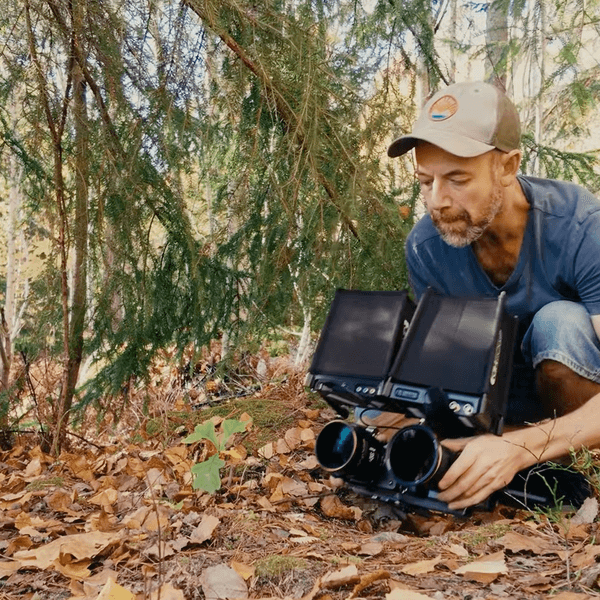
The Art of the Reshoot: How the 'It Ends' Team Saved Their Indie Horror Feature
“I'm a huge advocate for reshoots.”
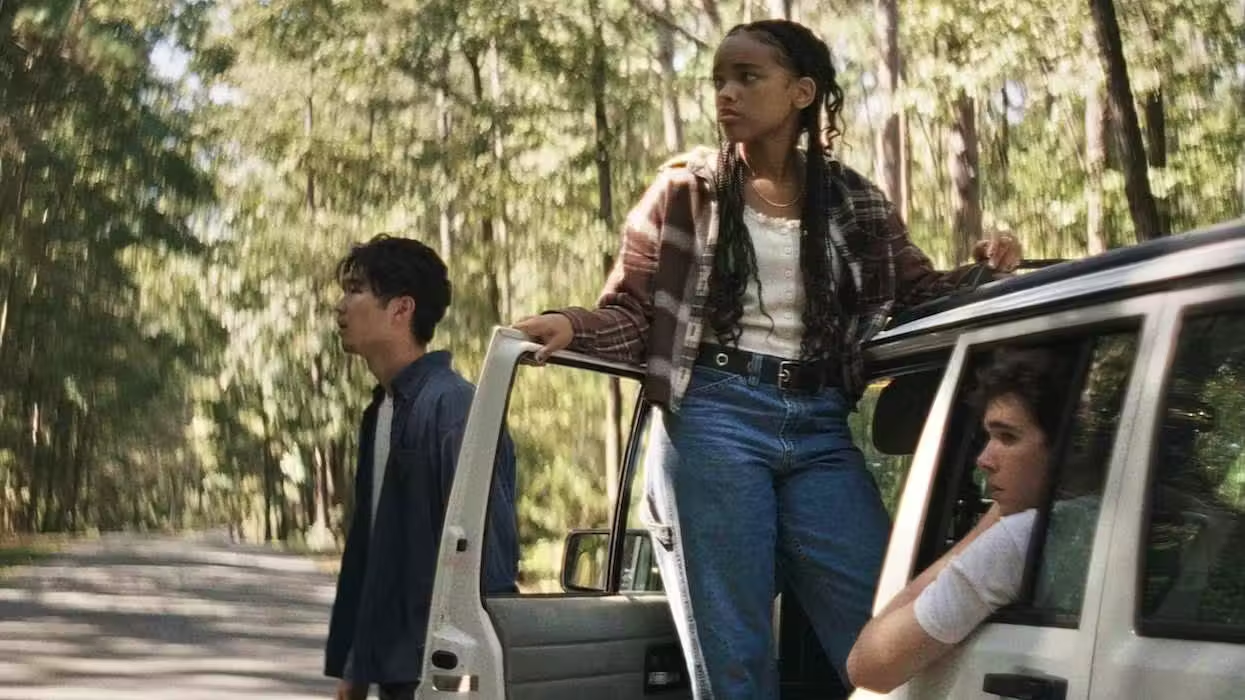
'It Ends'
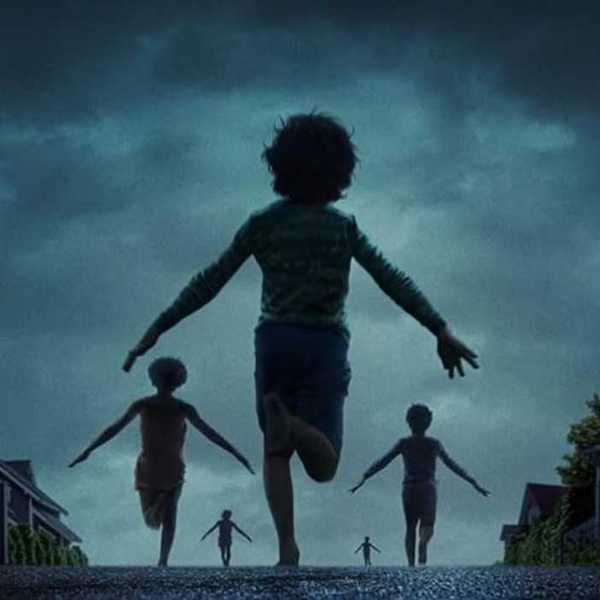
In this episode of the No Film School Podcast, writer-director Alex Ullom and producers Carrie Carusone and Evan Barber break down the unconventional path behind It Ends, their micro-budget indie horror feature about four friends trapped on an endless road.
They explain how they raised their initial financing, leaned on their filmmaking community, turned production limitations into creative advantages, and used multiple rounds of strategic reshoots to transform an early cut that wasn’t working.
The team also shares how they cut a Jeep in half to shoot on an LED volume stage, navigated an expensive and complicated post-production process, premiered at SXSW, and generated enough grassroots momentum through the online horror community and Letterboxd to ultimately land a theatrical release with Neon.
In this episode, we discuss:
- How graduating from film school during the pandemic pushed the team toward making an independent feature
- Raising the initial micro-budget through unconventional investors, personal connections, and community support
- How Florida State University’s alumni equipment package made a $30,000 feature possible
- Why paying crew something—even on an extremely limited budget—was important to the producers
- Discovering in the edit that the first version of It Ends wasn’t working
- Why indie filmmakers should stop thinking of reshoots as a sign of failure
- Using test screenings to identify pacing problems, missing emotional beats, and scenes that needed additional coverage
- Designing a contained film that could be affordably reconstructed for multiple rounds of pickups
- Balancing the film’s horror and hangout-movie elements through pacing and visual language
- Cutting a Jeep Cherokee in half to get it onto an LED volume stage
- Rebuilding the Jeep interior and using the removable vehicle to create otherwise impossible camera angles
- Why the filmmakers pulled out of Fantasia to continue improving the movie
- Maintaining continuity when returning to the same actors and characters two years after principal photography
- The editing workflow Alex developed to compare multiple performances of the same line
- Using low-pass filtering, bass, sound design, and close-ups to create production value on an indie budget
- What Alex learned from an extremely disorganized Premiere timeline
- Premiering at SXSW during an especially difficult independent film distribution market
- Why strong festival reviews and sold-out screenings didn’t automatically lead to a distribution deal
- The changing economics of minimum guarantees for independent films
- How online horror creators helped generate new momentum for It Ends
- The film’s path from Letterboxd’s video store program to a theatrical release with Neon
- Why filmmakers should focus on making the strongest movie possible rather than designing a project specifically for a major festival
- How the lessons from It Ends changed the team’s approach to their next features
- Previsualizing an entire movie before production to eliminate setups and solve story problems
- Using executive producer credits strategically when raising additional financing
- Practical advice for protecting hard drives, feeding a small crew, and building a trusted filmmaking community
Guests:
Subscribe to the No Film School Podcast on:
Get your question answered on the podcast by emailing podcast@nofilmschool.com
Listen to more episodes of the No Film School podcast right here: