Disney’s “B-Project” That Became 'The Lion King'
Once dismissed as a side project, The Lion King defied Disney’s doubts and became one of the most iconic films in animation history.
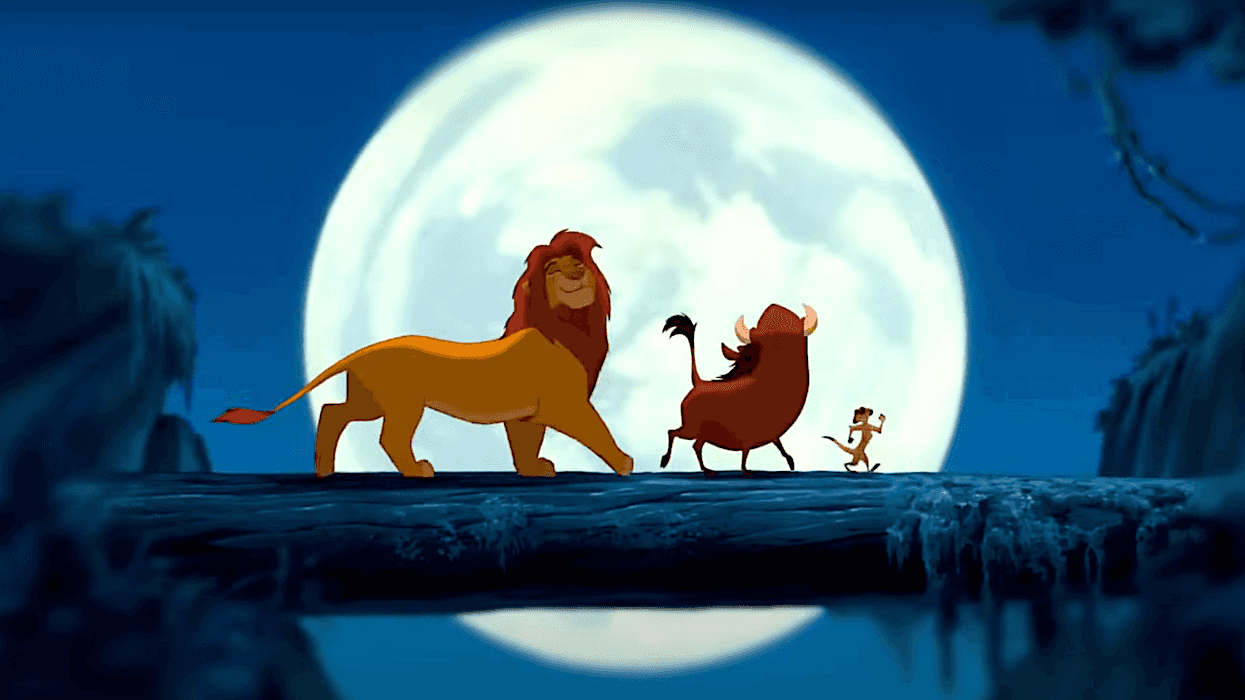
'The Lion King
It’s hard to think of a world where The Lion King (1994) wasn’t the towering masterpiece that defined a generation.
And that’s why it’s hard to believe that back in the early 1990s—when Disney’s animation department was hitting its so-called “Renaissance,”—this future global phenomenon was treated like the awkward stepchild no one wanted to deal with.
Inside the studio, the big prize project was Pocahontas (1995)—a historical drama with romance, politics, and all the prestige. Executives thought it would bring home Oscars.
Compared to that, a weird Hamlet-with-lions story? Sounded like a gamble at best, a time-filler at worst.
- YouTube www.youtube.com
The irony is almost too rich. While Pocahontas was given Disney’s brightest stars, biggest animators, and red-carpet expectations, The Lion King was quietly staffed with a so-called “B-team” and handed down to the middle ranks.
And yet, what many believed was destined to be a forgettable experiment, The Lion King ended up rewriting box office history and shaping the cultural memory of the 1990s.
This is the story of how a movie labeled second-class inside its own studio fought past skepticism, rewrote its destiny, and claimed the throne as the king of animation.
The “B-Project” Label
The Allure of “Pocahontas”: Disney’s Clear “A-Project”
When executives lined up their priorities in the early ’90s, Pocahontas was the crown jewel. The studio saw it as a prestige drama rooted in American history, featuring human characters, romance, and weighty themes. It had all the hallmarks of “serious art” and was expected to sweep awards. Animators scrambled to join its production, believing this was the project that would define their careers.
- YouTube www.youtube.com
The Suspicion of an Original Idea
On the other hand, The Lion King raised eyebrows for being—wait for it—original. Disney had long leaned on fairy tales and existing legends for story foundations.
But lions in Africa? With a premise that boiled down to “Hamlet in the savanna”?
It sounded both derivative and strange, too experimental for the mainstream. There was real doubt about whether audiences would connect to talking animals who weren’t tied to an existing myth.
The “B-Team” Assignment
Because of those doubts, directors Roger Allers and Rob Minkoff, along with producer Don Hahn, were slotted into the project. Talented, yes—but hardly the studio’s first choices. Unlike Pocahontas, which had a who’s who of Disney veterans, The Lion King was handed to a younger, less experienced crew. Budgets were slimmer, the prestige was lower, and expectations were modest.
In hindsight, that very freedom turned out to be the film’s secret weapon.
Early Plans and Concepts
A Lighter, Comedic Tone
In its early stages, the movie looked very different. The working title, King of the Kalahari, leaned heavily into comedy. Scar was positioned as a comically power-hungry villain, and Simba and Nala were planned to appear mostly as adults rather than cubs. The narrative felt more like a quirky side-story than the sweeping epic we know today.
A Radically Different Soundtrack
Even the music was up in the air. Elton John wasn’t Disney’s first pick, and early discussions leaned toward a more eclectic, world-music-inspired soundtrack or even pop tracks without much theatrical heft.
Without the Broadway-style ambition of Elton John and Tim Rice, the songs could easily have blended into the background rather than becoming the cultural landmarks they are now.
Character Designs and Narrative Struggles
The animators also struggled to make lions expressive enough to carry human emotion. Unlike princesses or fairy-tale figures, big cats don’t exactly scream “relatable.”
Meanwhile, the story itself felt shaky. Was it a comedy? A parable? A tragedy? Even the spiritual thread—Mufasa’s (James Earl Jones) return as a guiding presence—wasn’t firmly locked down until later.
At this stage, the movie teetered dangerously close to staying a middling experiment.
When the “B-Project” Found Its Roar
The South Africa Trip: Finding the Soul of the Pride Lands
Everything began to change after the animation team took a research trip to Africa. The sheer scale of the landscapes, the vibrancy of the colors, and the weight of the natural world pushed the film into epic territory.
Suddenly, The Lion King stopped being just about animals talking and became about life, death, and legacy, set against a visually stunning canvas. The trip gave the film its sweeping sense of grandeur.
The Power of the “Circle of Life” Sequence
The true tipping point was the decision to open the film with “Circle of Life.” Once the sequence was storyboarded and paired with the now-iconic music, it floored everyone inside the studio.
- YouTube www.youtube.com
For the first time, skeptics could see the scope and gravitas the movie carried. That one scene flipped perceptions—it was no longer a quirky side-project, but a contender for greatness.
The Cast That Elevated the Material
Casting choices sealed the deal. James Earl Jones gave Mufasa a regal, commanding presence. Jeremy Irons brought delicious menace to Scar. Whoopi Goldberg infused Shenzi with sharp humor.
Their voices elevated the story from cartoon territory to something with genuine dramatic weight. Suddenly, this “animal movie” found its footing as a Shakespearean drama with claws.
- YouTubewww.youtube.com
Injecting Heart and Trauma
Behind the scenes, story artists like Brenda Chapman sharpened the film’s emotional arc. Simba’s guilt, his complex father-son bond, and his internal conflict were deepened into real psychological struggles. Hakuna Matata shifted from comic relief into a coping mechanism for trauma.
These rewrites gave the film an emotional resonance that no one had expected at the start.
Triumph Against All Odds: The Phenomenon Is Born
Box Office Royalty
When The Lion King finally hit theaters in June 1994, it blew past every forecast. It grossed over $960 million worldwide in its original run, outpacing Pocahontas and even surpassing Aladdin (1992). It quickly became the highest-grossing animated film ever at the time, cementing itself as Disney’s most lucrative release of the decade.
Critical Acclaim and Awards Dominance
Critics were equally impressed. The film was praised for its sweeping animation, memorable characters, and powerful soundtrack. At the 67th Academy Awards, it won Best Original Score and Best Original Song for Elton John’s “Can You Feel the Love Tonight,” triumphing in categories that Pocahontas had been expected to dominate.
And that’s how the transition of this “B-project” into Disney’s crown jewel was complete.
A Lasting Cultural Legacy
In the decades since, The Lion King has transcended the film medium. The Broadway adaptation became one of the most successful shows in history, which, 30 years later, is still going strong.
Merchandise, quotes, and memes are woven into everyday culture. Entire generations grew up with it as a defining story, and its themes of identity, resilience, and destiny still resonate today. What began as a sidelined project is now truly a cultural landmark.
The Lion King Legacy
Looking back, the irony couldn’t be sharper. The film Disney bet lightly on became the one that defined the Renaissance era, while the prestige-heavy Pocahontas is often remembered with more ambivalence. The labels of “A-project” and “B-project” turned out to mean very little once audiences spoke with their wallets and hearts.
The real lesson here is that creative lightning doesn’t always strike where the executives expect. Freedom, experimentation, and a little chaos can produce the most enduring work of all. The Lion King’s journey from underdog to legend mirrors Simba’s own path of overcoming doubt, embracing responsibility, and stepping into destiny.
And just like Simba standing tall on Pride Rock, the movie remains a reminder that even when the world doubts you, you can still claim your place in the circle of life.