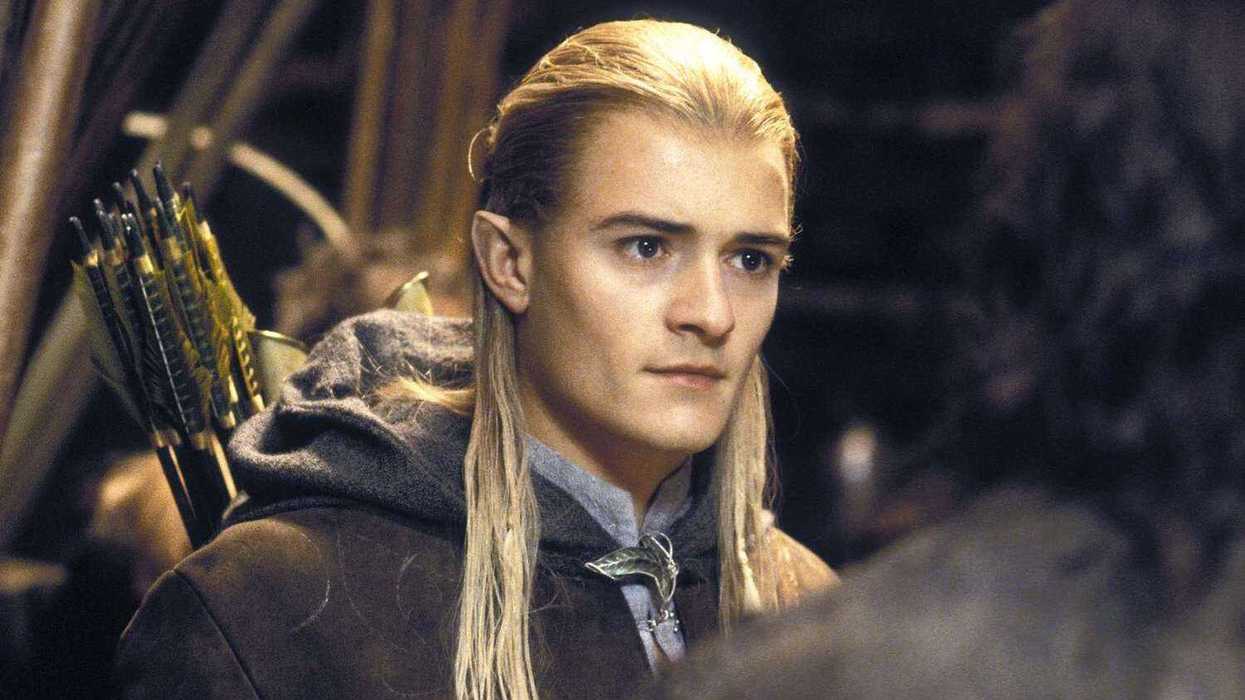
In an iconic saga built on a deep bond of fellowship, one detail is alarming, but only when you bring attention to it. “And you have my bow,” is the only line Legolas says to Frodo throughout ‘The Lord of the Rings’ trilogy. Did you know that?
This may sound like a technical detail, but the lack of words between these two characters has a deeper meaning that speaks to the strength of their bond and the real meaning of a promise. Across three films and multiple battles, this one line cements the relationship between Frodo and Legolas.
Relationships in The Lord of the Rings are masterfully structured in a manner that no two connections feel the same. Each one has its own nuanced reasoning and only makes the world more enchanting yet believable.
How does this singular line immortalize an entire relationship? What can this teach us about restraint in movie dialogue?
Let’s jump right in and explore.
The One Line: Legolas’s Oath
In Peter Jackson’s The Lord of the Rings trilogy, Legolas (Orlando Bloom) directly addresses Frodo Baggins (Elijah Wood) only once across all three films. This moment takes place during the Council of Elrond in The Fellowship of the Ring.
Aragorn (Viggo Mortensen) pledges his sword to Frodo and swears his allegiance to him. Legolas immediately declares, “And you have my bow.” This line serves as Legolas’s oath of loyalty. There isn’t any further justification or a deepening of the promise, simply because this is enough to justify his position.
Over the course of the trilogy, Legolas and Frodo’s paths diverge. Both of them go on separate journeys that leave this vow as the last sentence that was said between them. Symbolically, it is a perfect summation of Legolas’s promise to Frodo and his adherence to the cause. Legolas’s words are followed up by his actions that prove his promise to be true. His journey after the Council of Elrond is nothing but Legolas’s way of living up to his oath, which is essentially exactly what he promised.
The film leaves no room for Legolas to elaborate on his intentions. Legolas focuses on his role in the story while Frodo does the same on his journey. The effect of this, in retrospect, leaves Legolas’s first words to Frodo as his last.
“And you have my bow” is minimal, straightforward, and declarative of the purity of Legolas’s oath. After uttering these words, he valiantly serves his purpose in the story, forever standing by the one promise he made to Frodo Baggins.
Power of Restraint in Dialogue
Fantasy adventure films aren’t shy of long, elaborate monologues elucidating their characters’ intentions. In fact, quite often, they are synonymous with such writing.
‘The Lord of the Rings’ across all three films limits such declarations to very specific moments. It masterfully treats every relationship differently, making them more memorable. We don’t need more words between Legolas and Frodo to know that their relationship is different from that of Frodo’s relationship with Aragorn, for example. The film sets up every connection between characters differently, always preferring restraint over overemphasis.
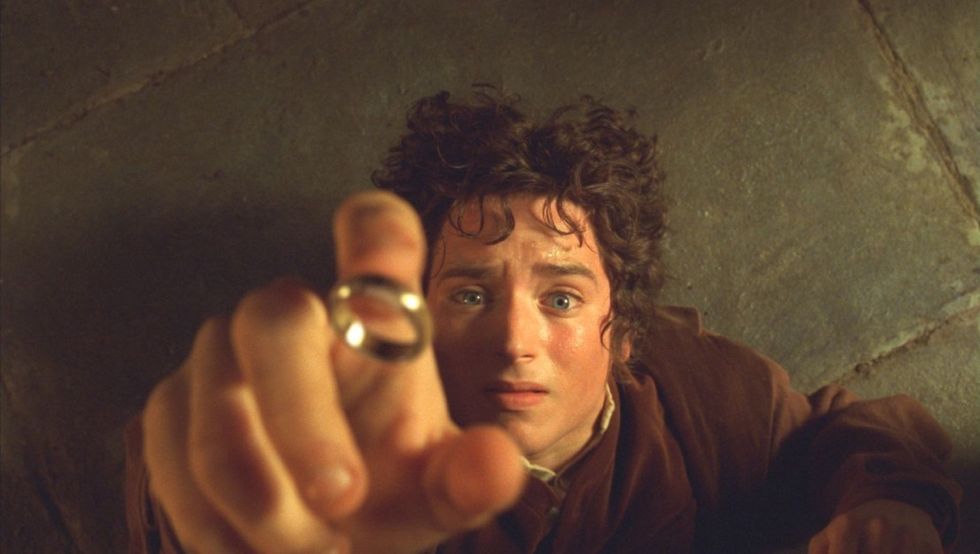 'The Lord of the Rings: The Fellowship of the Ring' Credit: New Line Cinema
The limited dialogue between Frodo and Legolas elevates the line “And you have my bow” from a declaration to a powerful vow. Legolas’s promise and his intention are perfectly captured in a few words. The absence of further dialogue between them maintains the mightiness of this singular moment. Legolas’s words continue to echo through all three films, even when he is extremely distant from Frodo. Their individual battles change, but their purpose remains the same.
“And you have my bow” isn’t just a promise. It is a line that binds Legolas and Frodo together, never once needing further explanation. In remaining restrained, the line’s purpose is solidified, and it continues to hang in the air when times are tough. Frodo faces many difficult odds as the story progresses, but this single line in the first part of the trilogy is yet another reminder that he is not alone. These few words resonate stronger than a long monologue would in the same context. Long monologues may serve their purpose in the moment, but they don’t get etched in the memory as a few restrained and powerful words can.
True commitment does not need reminders. It only needs a person to back their words with their actions.
When Little Details Surprise But Feel Right
Most of us probably did not think of the fact that “And you have my bow” is the only personal exchange between Legolas and Frodo. Learning this fact may be surprising, but it definitely feels right. This is a tremendous achievement for a movie saga. Let me explain.
The singular exchange between Legolas and Frodo is definitive of not just his promise, but their journeys after the fact. If at any point, Legolas had acted out of faith or broken his vow, it would draw attention to this single line. The trilogy’s achievement in this regard lies in the fact that Legolas acts in adherence to his vow at all times. He serves his purpose in the story while never letting his actions disregard his sacred promise to Frodo.
Perhaps we never thought about the fact that these two characters only exchanged a single line. But in retrospect, the line’s meaning is perfectly captured by Legolas’s commitment and character.
Summing It Up
Great stories often employ restraint to deliver some of their most powerful messages. Fans of The Lord of the Rings films are unlikely to doubt Legolas’s commitment to Frodo. To learn that they only exchanged a single line is a fact that only makes their relationship more admirable from a writing and humanistic point of view.
Which part of the trilogy captures Legolas’s commitment to Frodo in the most honest way, according to you? Tell us in the comments below.
- The 7 Best Video Game Movies | No Film School ›
- Christopher Nolan Almost Made 'Troy'—Now He's Come Full Circle ... ›
- Loyalty Without Conditions: Why This Lord of the Rings Line Still Works ›
- What Gandalf Teaches Us About Choice In ‘The Lord Of The Rings’ ›
- Gandalf’s Famous Head Bump in ‘The Lord Of The Rings’: Was It Accidental Or Intentional? ›