6 Practical Tricks Directors Use To Film Realistic Horse Stunts
The illusion of risk on horseback comes from pure craft.
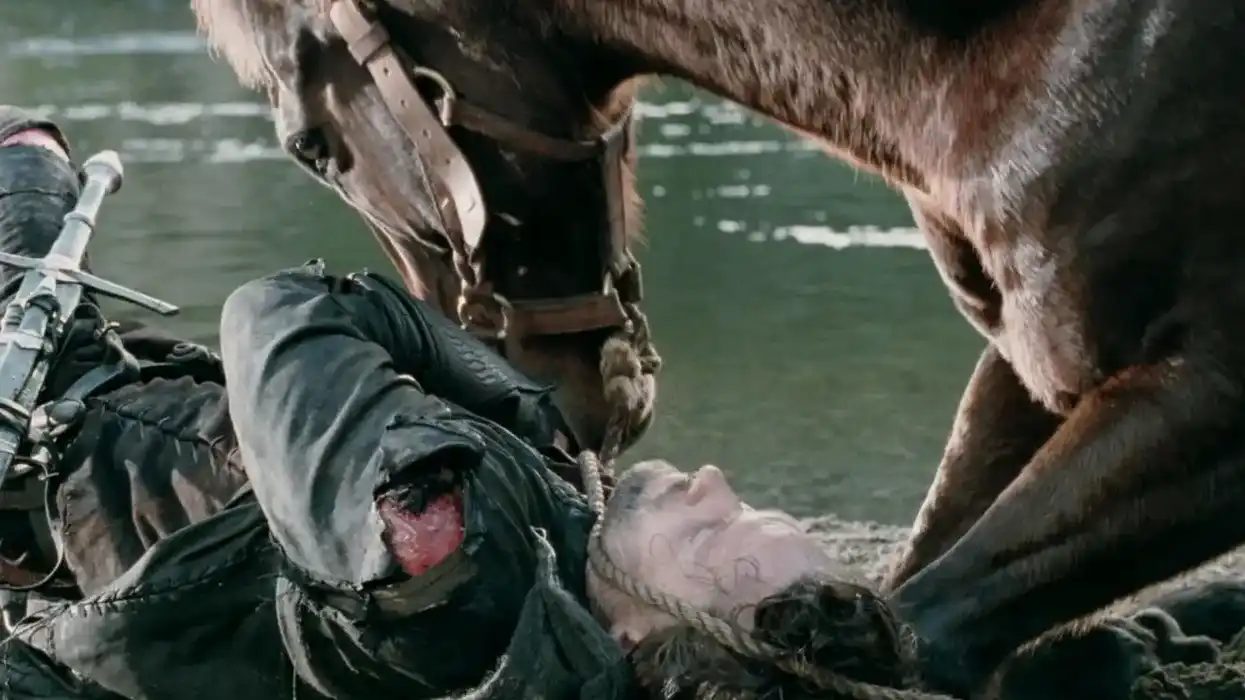
'The Lord of the Rings: The Two Towers'
Some, if not most, of the finest sequences from Western movies feature horses. I mean, of course they do. Horses have powered some of the greatest cinematic sequences of all time. But did you know that horse stunts are one of the most dangerous elements in Western filmmaking?
Horses are strong, unpredictable animals. Add that to the typical unpredictability of a movie set, changing weather conditions, retakes related to line deliveries, and so much more, and shooting with horses simply cannot be easy.
From the golden-age epics to modern Westerns, filmmakers have had to balance eye-catching visuals with safety. Every single movie shot that features a horse has required meticulous planning and coordination to at least some extent.
What are some practical tricks filmmakers use to film realistic horse stunts?
Let’s jump right in and explore.
6 Techniques Filmmakers Use To Film Spectacular Horse Stunts
Here are six tricks film directors use to make horse stunts feel authentic and cinematic.
1. Herd Instinct
Filmmakers tap into a horse’s natural herd behavior to drive realistic gallops without forcing unnatural movements. Sometimes, by placing companion horses just out of frame (on the destination side), lead horses gallop to “join the herd.” This technique helps create spectacular authenticity that we are so used to seeing on screen. Especially for shooting wide shots that feature horses running through the frame, it helps directors capture real “horse energy”. In comparison to other tricks, this one is considered a low-risk, high-reward strategy that leverages the animal’s instincts and delivers motion that does not feel staged. Trainers usually stay close enough to ensure safety while the camera captures what it intends to - the motion.
2. Adjusting Shooting Height And Distance
Shooting “low and long” is one of the simplest camera tricks directors use while working with horses. The camera is positioned low to the ground, and a long lens captures the horse’s movement. This clever use of optics helps blur the background and focus on the subject, which is the horse and its rider. Distances appear shorter, movements appear faster and grander.
3. Falls On Command
This is where shooting with horses gets tricky. We’ve all witnessed those period pieces in which horses just collapse to the ground. How do you think that happens? Well, an incredible amount of training. For dramatic shots such as these, horses (typically wounded) are painstakingly trained to drop to the ground on cue, to one side, without falling onto any equipment.
Equipment and crew positioning become all the more important for shots like these because if a horse collapses on a recording device or a crew member, well, that would be quite the calamity. American Humane guidelines mandate vet checks, soft landings, and no forced high-speed crashes, which can be extremely detrimental to horse health. It becomes paramount for the rest of the crew (such as focus pullers) to be on their toes and get the job done, as the crash itself is a serious physical moment that must be captured accurately and as planned.
4. Cutting Between Horses
This technique really qualifies as a “trick” more than a technique. Sometimes, what may look to us as a dangerous stunt featuring a single horse is often achieved cinematically by using multiple trained horses for different movements. One horse may control the gallop, another may slide stop, and yet another may fall on command. Good editing is obviously essential to making this work, but in principle, the horses look strikingly similar, and their movements are typically well-rehearsed beforehand.
5. Cues From Off-Camera Trainers
Highly trained movie horses respond to verbal commands and hand cues from trainers that obviously remain off-camera. These highly qualified coaches are present just outside the frame but within the eyeline of the horse. This allows filmmakers to get expressive behaviors from the horse without the rider having to micromanage matters themselves. Particularly if a scene demands a particular reaction from a horse within a shot, this technique becomes extremely useful to the filmmaker.
6. Sound Design
Sound design can essentially do half the work (in the context of the scene), especially during scenes that require dramatic falls or collisions. Our minds quickly react to the sounds, but seamless editing can make controlled physical horse movements feel harsh and dangerous. A significant reason for this horse realism is the great sound design.
Summing It Up
Meticulous planning, clever techniques, and restraint make Western horse stunts feel real. More often than not, the recklessness we see on screen is a result of the technical brilliance of the crew and, most importantly, exceptional intelligence on the part of the horses themselves. If a horse does not cooperate, it is pretty much impossible to record action the way it was intended.
The best directors understand that creating realistic horse sequences isn’t about pushing animals, their trainers, or the actors; it is about knowing precisely what is acceptable and letting the tools at their disposal do the rest.
Which is your favorite movie sequence featuring a horse? Tell us in the comments below.