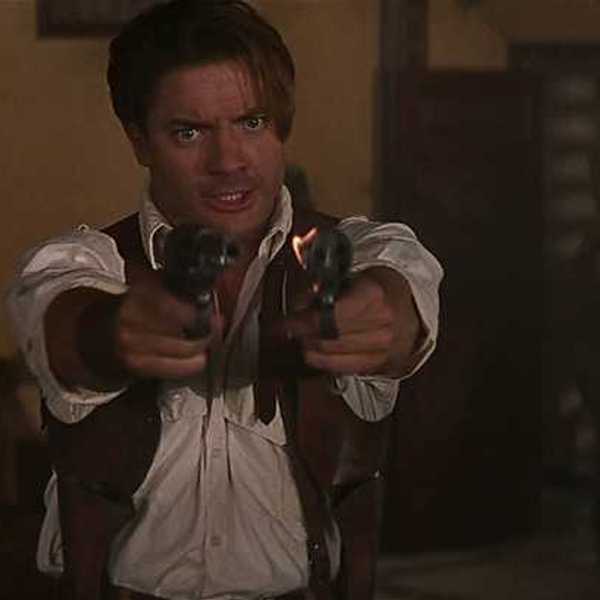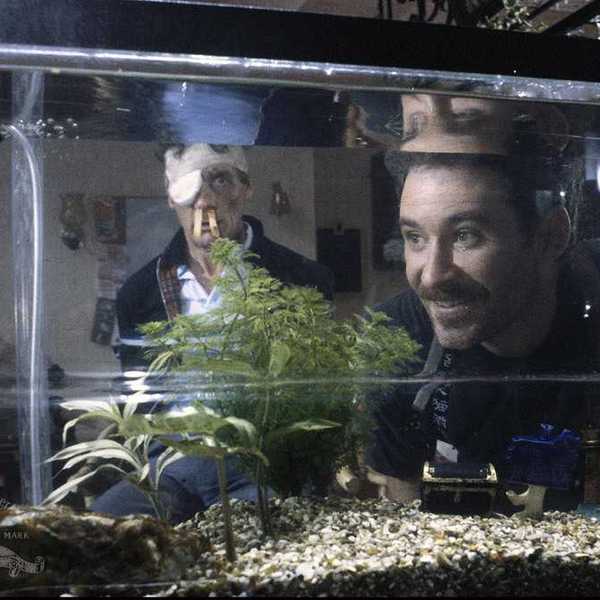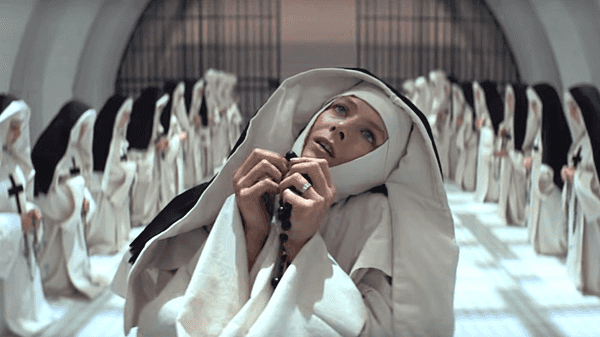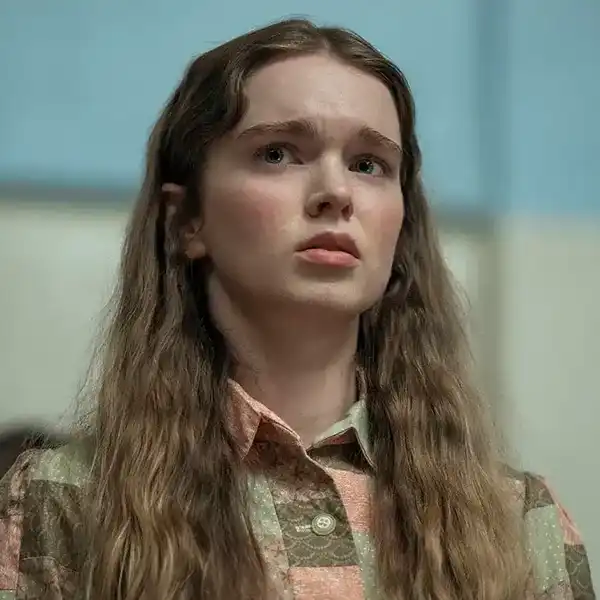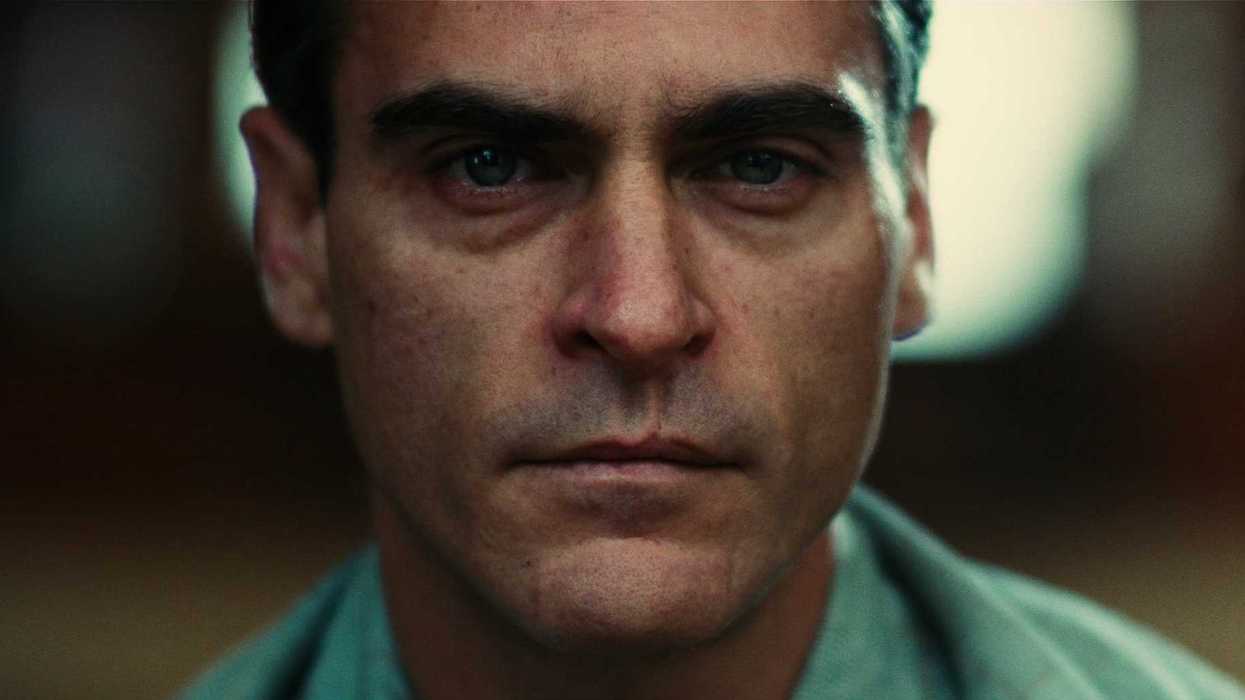
The everyday viewer probably only notices cinematography when it's flashy, but the fundamentals carry the story.
A recent video from StudioBinder Academy is built on Joseph V. Mascelli's The Five C's of Cinematography, a 1965 handbook that's still one of the most-cited filmmaking texts around. Mascelli organizes the craft into five fundamentals (camera angles, continuity, cutting, close-ups, and composition). The close-up is the fourth C, and the video digs into why it earns its own chapter.
"The close-up is a device unique to motion pictures," StudioBinder says. "Only motion pictures allow large-scale portrayal of a portion of the action."
Let's dive in.
- YouTubeyoutu.be
Why the Close-Up Only Works in Movies
Imagine you’re at a play, an opera, or a ballet. You're pinned to your seat, taking in the whole stage from a fixed distance, even if you’re in the front row. According to StudioBinder, that's what makes the close-up special. Anything presented on the stage is locked to a single viewing distance, whereas film can enlarge a slice of the action. It’s the one-shot only cinema can pull off, because only a camera can enlarge a single piece of the action and hand it to you full-screen.
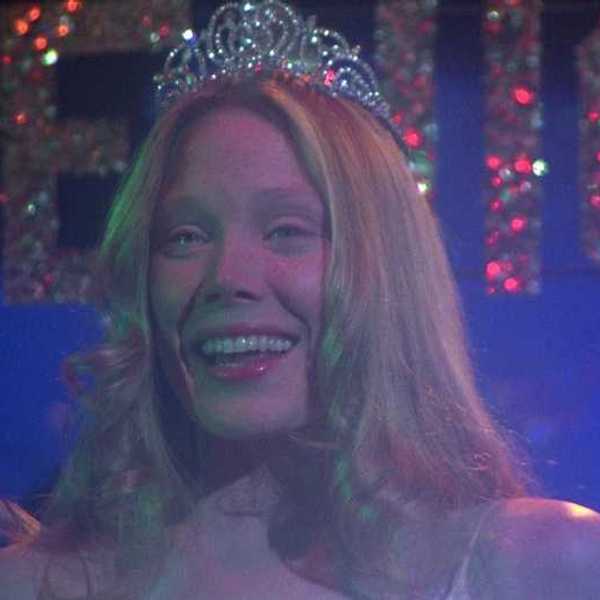
"A wide shot shows what's happening,” the video points out. “A close-up shows what the character feels."
The close-up is like walking over to a dear friend and reading the tears in their eyes, or the pull of a smirk on their lips. You need that closeness to even see it.
That’s why, if you are writing a play, you have to figure out creative ways to draw attention to certain expressions or props, usually with lighting cues. (Celine Song and I discussed this once.)
Learn more about the camera angles and movements you should know.
The 5 Close-Up Sizes and What Each One Does
Mascelli doesn't treat "close-up" as one setting. He breaks it into five frames, each tighter than the last.
- Medium close-up: the bottom of the frame lands midway between the waist and shoulder.
- Head-and-shoulder close-up: exactly what it says, framing from the shoulders up.
- Head close-up: tighter still, filling the frame with the face.
- Choker close-up: crops hard, lopping off anything below the lips and above the eyes.
- Extreme close-up: all the way in on a single detail, like an eye, a mouth, a trembling hand.
The medium close-up keeps some context around your character, so we still read the room they're in. The head close-up strips that away, making them feel alone. By the time you reach the choker, the world is gone. It's the face and nothing else.
Don’t pick your shot size willy-nilly. "Each size tells a different story,” as StudioBinder points out. If we’re up in an extreme or choker close-up, your character is probably in distress and feeling isolated, or maybe feeling a sense of wonder as a small being in a large world. Pick the frame that matches how much of the outside world your moment can afford to lose. If you need a fuller list of shot sizes and where these sit on it, we've got you covered, and the extreme close-up gets its own deep dive.
Mascelli admits the exact line between these terms shifts from cinematographer to cinematographer. Treat them as a shared vocabulary, not a rulebook. And storyboard so your vision is clear.
Using the Over-the-Shoulder to Slip into POV
The over-the-shoulder isn't strictly one of the five sizes, but Mascelli singles it out for a specific job. Mascelli makes the point that the over-the-shoulder close-up can serve as a bridge from “objectively filmed shots” into point-of-view.
You frame past one character's shoulder onto the person they're facing. We're still outside the scene, observing. Cut to a clean close-up from roughly that same eyeline, and suddenly we're not looking at the conversation anymore. We're standing in it. The shoulder in the foreground did the handoff. It told the audience whose head they're about to be inside.
Use it when a moment needs to shift from neutral coverage to something subjective, like a reveal, a reaction, or a line that lands differently depending on who's hearing it. If the over-the-shoulder and its cousins are still fuzzy, our glossary lays out the terms.
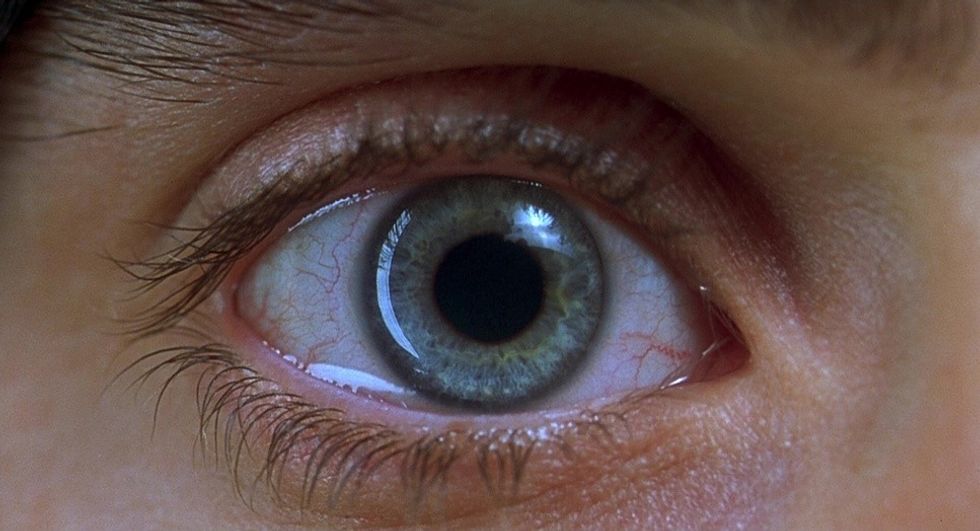 'Requiem for a Dream' Credit: Lionsgate
Cut-Ins vs. Cutaways
Mascelli splits close-ups into two types, and the difference comes down to whether the shot lives inside the scene or just alongside it.
- Cut-in: a closer angle on something already in the scene. Mascelli said it's "a magnified portion of the preceding larger scene. It is always part of the main action. The cut-in close-up continues the main action with a screen-filling closer view of a significant player, object, or small-scale action." Think of a hand tightening on a doorknob mid-argument as a character tries to escape. Same moment, closer view.
- Cutaway: a shot of something related to the scene but not necessarily in it. The classic version is the reaction shot, a cut to a listening face that underscores the emotion of what's happening. This person might be a distance away or separate from the main action. Cutaways can help orient characters in a space or adjust pacing. Either way, the action doesn't pause. We’re still in the same moment.
That reaction cut can carry a lot. Juxtapose a neutral face against what it's seeing, and the audience builds the emotion. That’s the foundation of the Kuleshov effect, and a solid reminder that the meaning of your close-up is often built in the edit, not just on set.
How to Do This on Set
The video gives us three questions to ask before we roll—how tight, how lit, and how framed? Small choices can do a ton. Nudge the camera up a hair or move where the light falls, and the same face reads as tender or menacing because of the angle or contrast. Everything matters, even if you think it doesn’t.
So treat every close-up as a deliberate call. If you’re doing a close-up, be prepared to justify it and explain the emotion you’re going for in that very moment. Close-ups are an important part of narrative filmmaking. You’re often bearing a character’s soul in these moments and asking an audience to connect with them deeply.
What’s your favorite recent close-up shot?