Everyone is talking about how Netflix is acquiring Warner Bros, and what it means not just for the businesses of Hollywood but the creatives who make it run.
This is obviously a seismic shift in the way Hollywood functions. It's a major win for streamers, and it will undoubtedly change the way all of entertainment moves in the future.
And yet there's still a chance it doesn't happen, as the DOJ under the Trump administration has already wondered if Netflix has a monopoly.
The issues are all very complicated, and the ramifications for theatrical exhibitors and filmmakers will be vast.
Let's dive in.
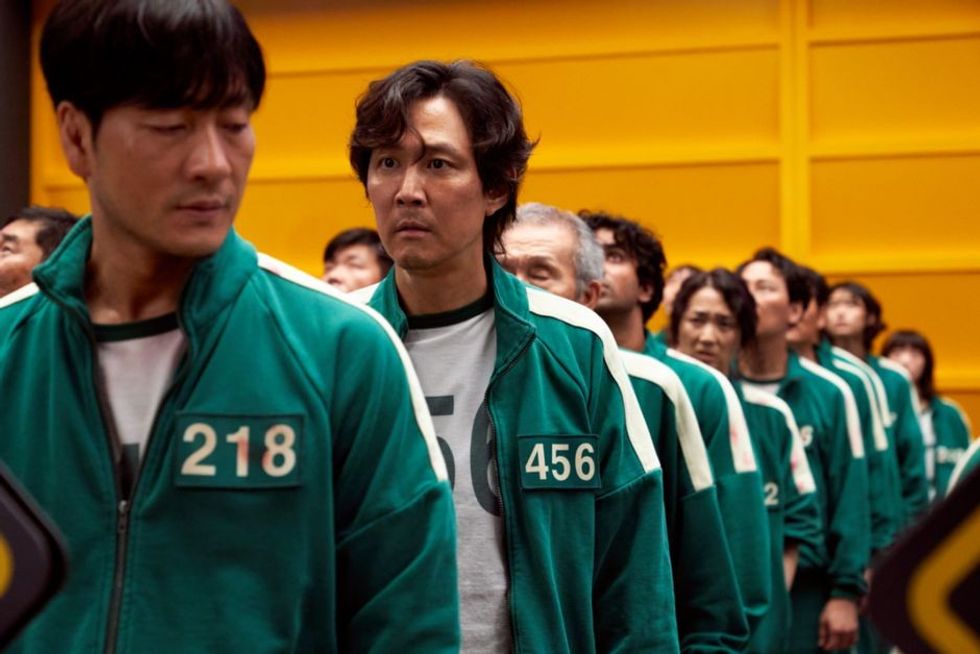 'Squid Game' Netflix
What Does this Mean For Established Filmmakers?
Netflix's acquisition of Warner Bros may take around 18 months to finalize, and in that time, we're going to learn more about the strategy at hand.
All we can do is theorize how this will turn out.
So what does it all mean for the filmmakers working in movies and TV right now?
Well, the answer is kind of complicated.
We really need to see what happens when the acquisition happens, who gets laid off, and what the strategies wind up being moving forward. But let's dig into some generic worries that we have been battling now for years.
Fewer Buyers in Hollywood (Consolidation)
This merger further consolidates power into one massive entity. For filmmakers, this means one less major studio/streamer to pitch a project to or convince to buy your stuff.
With fewer major buyers competing for a project, the leverage for filmmakers—especially those without A-list status—to negotiate better pay, rights, and creative control may decrease.
The bidding wars are going to be more like skirmishes when there are only three studios battling it out.
Packaging
Packaging could become extremely important as a lot of these entities, when bidding against each other, will want to know they're getting something they can market and something that feels close to being finished.
We often talk about how Netflix wants stars that get clicks; well, who those stars are will become even more powerful moving forward.
But will those stars mean anything at legacy studios that still want box office?
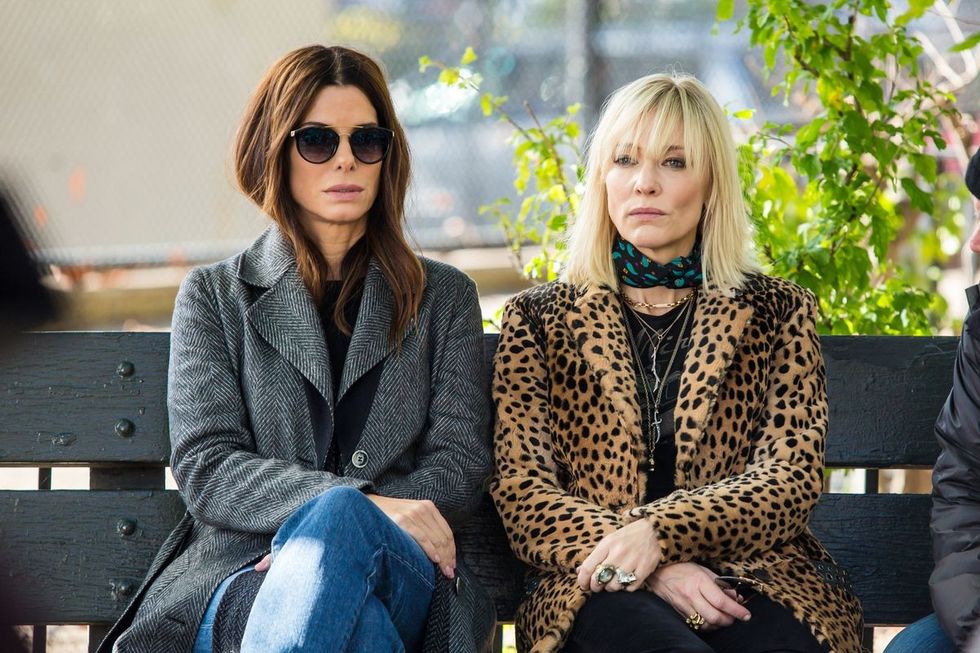 Ocean's 8 Credit: Warner Bros. Pictures
What Does This Mean For Theatrical Movies?
If you're an established filmmaker who hopes to see your work on the big screen, there still may be hope for you at Netflix.
Netflix has said it wants to keep some of the theatrical windows for Warner Bros., but Sarandos came out almost immediately and said, “My pushback has been mostly in the fact of the long exclusive windows, which we don’t really think are that consumer-friendly.”
That means they'll probably favor day-and-date on the app, which ultimately takes movies exclusively away from theaters. Or at least changes what they'll put in them.
Time will tell.
For example, Netflix may choose to put The Batman 2 in the theaters, but would they have originally put Weapons there? Or even Sinners?
These existential worries are top of mind for everyone in Hollywood this morning.
While Netflix promises to maintain theatrical releases, many established filmmakers and producers are deeply concerned about the longevity of the traditional window.
But what about for newer filmmakers who want to see their work on the big screen?
This remains a significant cultural and financial concern for everyone wanting to work and working in Hollywood.
Creative Control and Business Model
Warner Bros. and HBO have a history of prioritizing creative freedom and using the box office and "backend" (profit participation) to pay talent.
Netflix's model traditionally involves large upfront buyouts for global streaming rights, with less emphasis on backend profits.
But what happens when competition is eliminated? Will they still be paying a premium when they don't have to?
Probably not.
 'Batman Forever'Credit: Warner Bros.
What About Indie Filmmakers?
The impact of the Netflix-Warner Bros. acquisition on indie filmmakers is complex and likely to be felt in the areas of sales, distribution, and financing.
That's where indies traditionally make their money back.
Before the merger, an indie film could be shopped to:
- Warner Bros. / HBO Max
- Netflix
- Lionsgate
- Universal
- Sony
- Amazon MGM Studios
- Apple TV+
- Other smaller, legacy players
By merging the two largest studio/streamer buyers into one, the independent filmmaker has one less major, well-funded buyer competing for their finished film.
And then when it comes to showcasing those movies, you're in a hard spot.
Theatrical Exhibition of indies
Indie filmmakers often rely on independent cinemas, arthouse theaters, and regional chains for their theatrical runs. Film trade organizations, including those representing small-town and independent theaters, have strongly opposed the Netflix acquisition because they are afraid it's going to harm theaters in the long run.
If Netflix significantly shortens the theatrical window for the Warner Bros. slate, it could cause smaller theaters to fail.
Those failures take screens away from indies, who won't be programmed elsewhere.
The Studio Focus on Massive IP vs. Original Stories
While Netflix needs content, its primary focus after this acquisition will be maximizing the value of the newly acquired Warner Bros. IP (DC, Harry Potter, Game of Thrones, etc.).
And you can't blame them for that; they all make a lot of money.
But many of us got into business to tell original stories. And a place like Warner was allowing that to happen and making money doing it, with Sinners, Weapons, and One Battle After Another.
It's hard to imagine those movies getting made there now.
The overwhelming majority of the new combined company's massive investment will likely go toward developing big-budget projects tied to these established franchises.
For the independent filmmaker, the challenge remains: the path to a buyer may become narrower, but the reward for a successful sale is now exponentially greater.
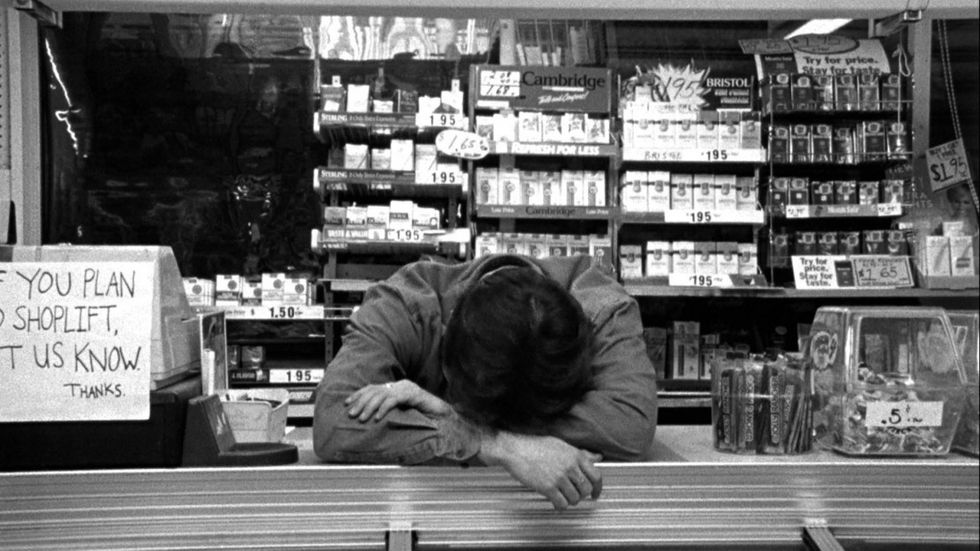 'Clerks' Credit: Miramax
Summing It All Up
As I said at the top, this is maybe the biggest thing to happen in the 21st Century, and it will change the way Hollywood functions. We're learning in real time what the plans will be and how this takeover will be felt.
There are lots of existential worries, but also some optimism that Netflix could change its heart on theatrical when it sees what kind of money it brings in.
Still, if you're a creative in Hollywood, the consolidation of another studio casts a shadow over your morning. Will there be more opportunities to come?
Let me know what you think in the comments.