What Is ‘Plot Armor’? (Why Some Movie Characters Refuse To Die)
Death tried everything. They still walked away.
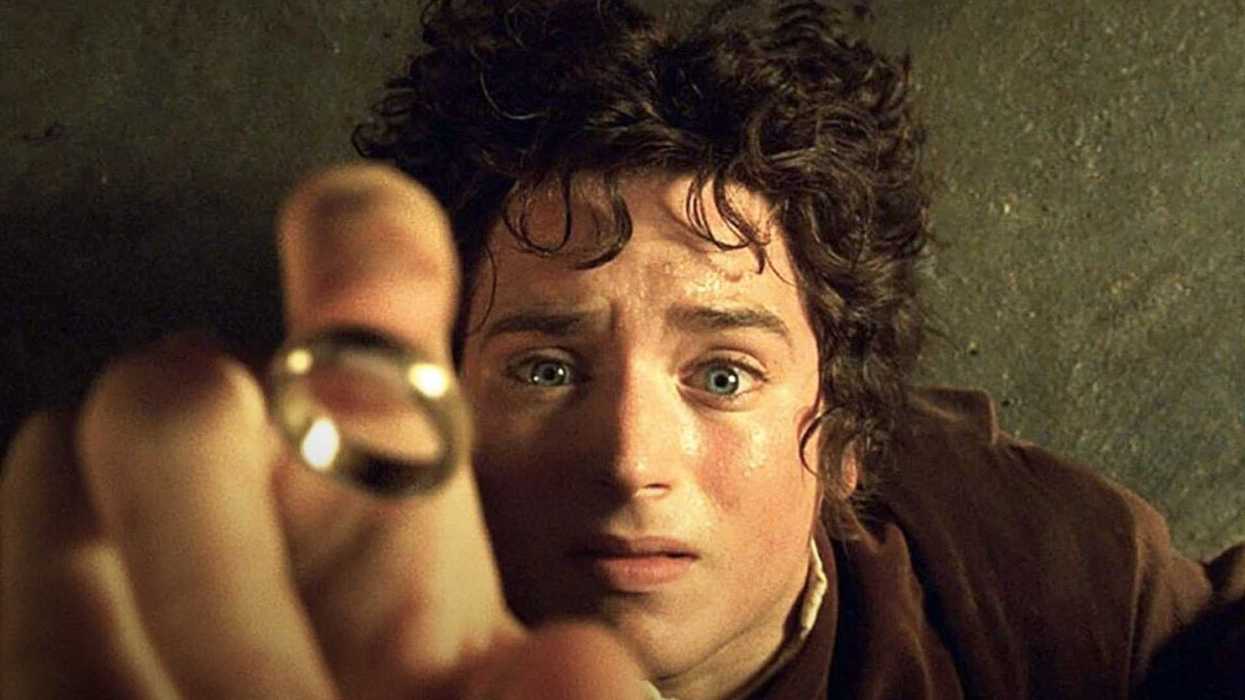
The Lord of the Rings: The Fellowship of the Ring (2001)
You’ve seen it so many times. A movie character finds themselves in a deadly situation. It’s almost impossible for them to come out alive. But somehow, they do.
When you watch these films, do you ever wonder how these heroes wake up to see another day? Well, it’s because they are covered by an invisible shield called plot armor.
Plot armors are loved, hated, and debated. You want these characters to survive, but you also wonder how they aren’t dead. Well, when it comes to plot armor, there’s not much we can do. Just imagine the writer saying, “This guy will die when I want him to!”
Now, let’s take a deep look at plot armor with some popular movie examples.
So, What Exactly Is Plot Armor?
Well, as we’ve loosely discussed, consider plot armor to be a protective narrative shield around a key movie character. It is an armor that saves them from virtually anything. Overwhelming dangers attack them from all sides, but they come out on top, all thanks to plot armor.
Typically, plot armor is used by writers to make their central characters reach the end of their arcs or to fulfill their narrative purpose. Your hero can’t kill the villain at the end of the movie if he himself is murdered by a bunch of goons, somewhere in the middle. Now, that bunch of goons may be required to keep the plot moving forward, and plot armor is used to keep the hero alive and ready to fulfill his ultimate purpose.
Some characters are way too important for the plot. You want to threaten them and make the audience feel like they are going to die, but not actually kill them off, because they are just that integral to your story.
Plot armor can manifest in the character’s luck or their skill, sometimes both at the same time. When it's done subtly, audiences accept it with grace. When it’s done in a heavy-handed way, it risks alienating the audience.
Imagine a movie that seems realistic, for the most part. Then, suddenly, the lead character survives a bomb explosion by being just a few feet away from it. As an audience, you’re going to say, “No way!”
Good writers incorporate plot armor by cleverly making sure that the invisible shield is, in fact, invisible. Let’s look at some exciting examples of plot armor in cinema.
3 Popular Movies That Mastered Plot Armor
Countless movies extensively use plot armor, in originals and sequels alike. I’ve tried to choose films that aren’t the most obvious choices for this list or because they made sense for them to use plot armor, but the way they did it was interesting and novel, at least at the time.
1. The Lord of the Rings Trilogy (2001 - 2003) - Directed by Peter Jackson
Frodo, a young hobbit, must carry a powerful ancient ring across a war-torn world to Mount Doom. He is accompanied by a fellowship of warriors fighting against the evil dark lord.
Considering Frodo and Sam’s blatant inexperience and innocence, and the challenge they face in the Lord of the Rings series, it feels impossible for them to survive.
However, they are held together by a thick plot armor that keeps saving them (even from Balrog's fire!). In the first part of the trilogy, Frodo takes a Morgul blade to the shoulder, which would essentially kill anyone, but he manages to survive through elven medicine.
Peter Jackson builds this fantasy world with intricate detail. Not once during this journey, across all three films, does the audience feel as though Frodo should have died. The mystic nature of his purpose supersedes this emotion, time and again. Jackson’s flawless direction keeps us engrossed in Frodo’s journey and in the world he has built for us. The plot armor does not feel like an interference or a convenient device that keeps Frodo alive. It feels more like a magical protection that helps Frodo fulfill his purpose in the trilogy. A tool that is a worthy inheritance of this mystical, surreal story that is larger than life and alluring.
2. Die Hard (1988) - Directed by John McTiernan
In this 1988 classic, a New York cop flies to Los Angeles to reconcile with his estranged wife, only to find himself trapped in a skyscraper taken over by terrorists. As a classic action movie would have it, he is the only one who can stop them.
The cop, John McClane, in his blood-soaked top, is the definition of a world-class action hero protected by plot armor. After falling several stories down an elevator shaft while holding only a hose, he crashes onto the concrete but quickly gets up and starts firing.
Towards the end, John is even shot in the shoulder. But that does not deter him from his purpose. He is the one who is destined to stop the terrorists, and he will.
The brilliance of the plot armor in Die Hard lies in how well it keeps the audience on the edge, hoping that the armor does not peel off even for a second. We know he is protected, but we want him to be. We know he could die, but we also know he won’t. Unpredictability meets predictability, and the result is a towering action movie that was followed by multiple sequels.
3. Raiders of the Lost Ark (1981) - Directed by Steven Spielberg
In this unforgettable Spielberg film set in 1936, an archaeologist is hired by the U.S. government to locate the legendary Ark of the Covenant before the Nazis can leverage its supernatural power.
Indiana Jones, played effortlessly by a young, charming Harrison Ford, has an unimaginably strong plot armor throughout the film. But its genius lies in how Spielberg almost accepts and mocks the plot armor itself. This is best witnessed in the swordsman sequence, in which a Cairo swordsman threatens Indy by performing an elaborate flourish, only for Indy to casually shoot him dead.
Over the course of the film, Indy is dragged by a speeding truck and gets thrown through a windshield. He also finds himself in a room full of snakes. Each setting feels like a purposeful test of his plot armor. But Indy continues to come out on top.
Spielberg builds a playful relationship between Indy’s plot armor and the audience. The over-the-top aspect of the film feels deliberate and frequently humorous, making Indy’s plot armor a casual benefactor of the plot.
Plot Armor vs Plot Convenience
Now that we’ve understood what plot armor is and also walked through three examples, let’s try to understand the difference between plot armor and plot convenience.
Plot armor is a layer of protection that saves a character from various dangers and keeps them alive so that they can serve a larger purpose. Plot convenience is nothing but a lucky moment or a coincidence that, as the name suggests, feels convenient.
Let me give you an example. When a hero survives a difficult battle against mercenaries sent to kill him, we can call that plot armor. Now, imagine we see three mercenaries on the way to kill the hero, but their car breaks down, and the hero escapes. This would be a plot convenience.
While plot armor may make us question how a character came out alive, plot convenience may make us ask ourselves, “Now how did that solution just magically show up?” Plot armor could defy death, yes, but plot convenience will defy probability, and it risks taking audiences out of the story.
When Writers Cleverly Subverted Plot Armor
If plot armor can save characters from dying, the impression of plot armor can make their death incredibly unpredictable. Great writers are masters at subverting expectations, and subverting plot armor is a fascinating way of shocking audiences.
In Game of Thrones (2011-2019), when Ned Stark gets executed, the audience is shaken in disbelief. Up until then, we had seen the story through his eyes, and we expected him to be shielded by plot armor. In Psycho (1960), we don’t expect Janet Leigh’s character to be murdered so brutally and so early on in the film. The opening 30 minutes of Scream (1996) serve as yet another example of subverting plot armor. Considering Drew Barrymore’s popularity as an actor, we absolutely do not expect her to die in the first 20 minutes of the movie. Game of Thrones again showed us a plot armor subversion with Robb and Catelyn Stark’s deaths in the Red Wedding episode.
These are just a few examples of writers who weaponized the plot armor device and used it to shock the audience, resulting in on-screen deaths that we are not likely to forget.
Final Thoughts
Plot armor is an unwritten contract we have with our heroes. Some filmmakers adhere to these contracts while others rip them apart and shock us. Regardless of how it is used, plot armor serves as a strong cinematic device that can sway audience expectations one way or the other.
What are some of your favorite examples of films that used the plot armor device? And what are some that brilliantly defied it? Tell us in the comments!