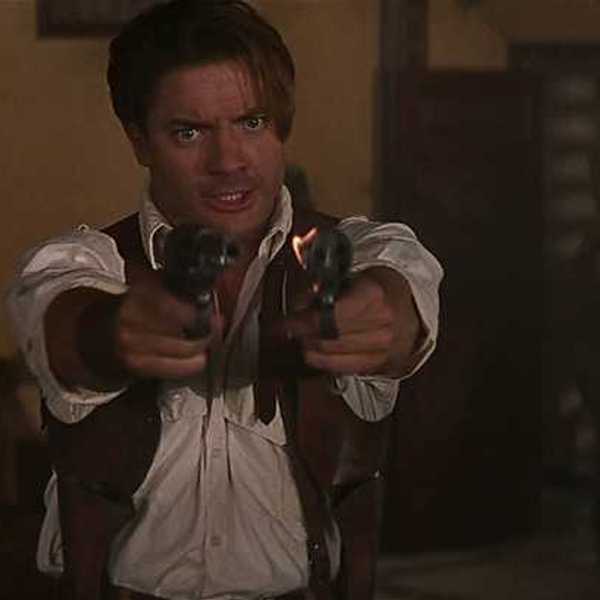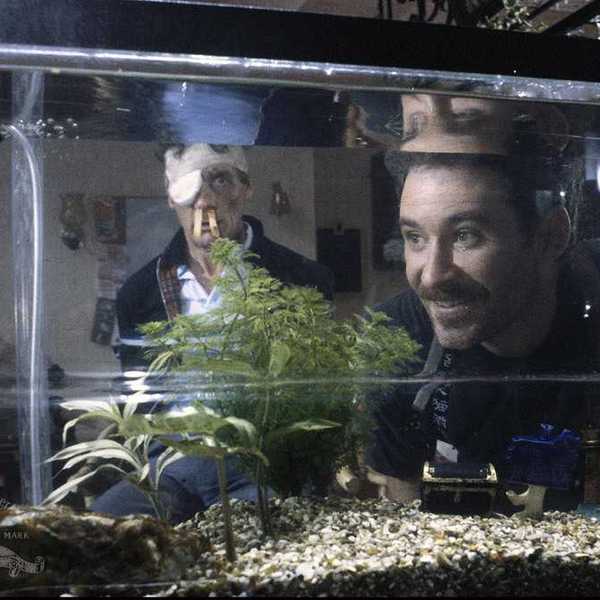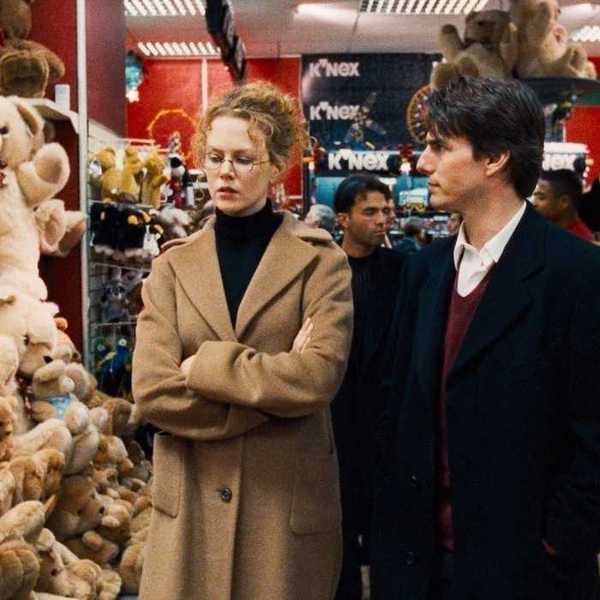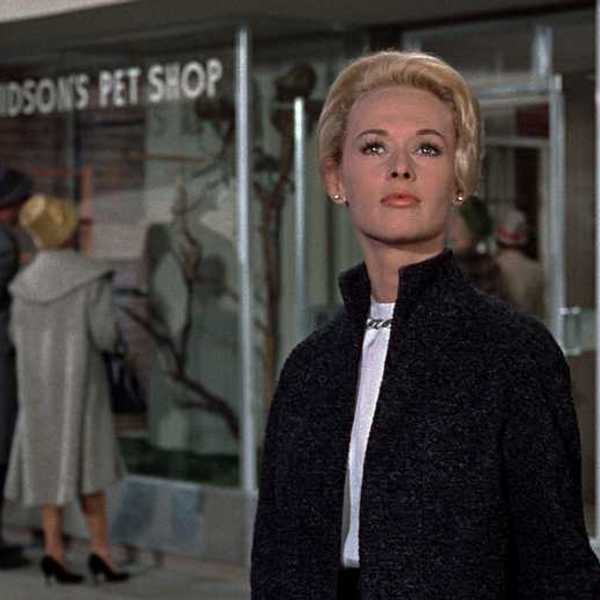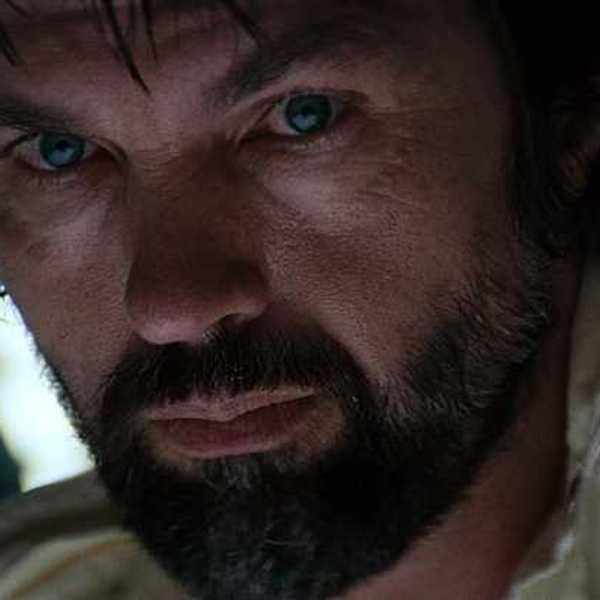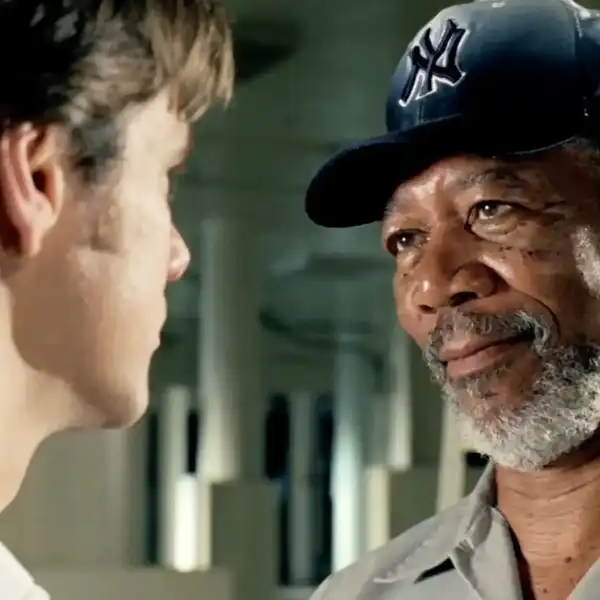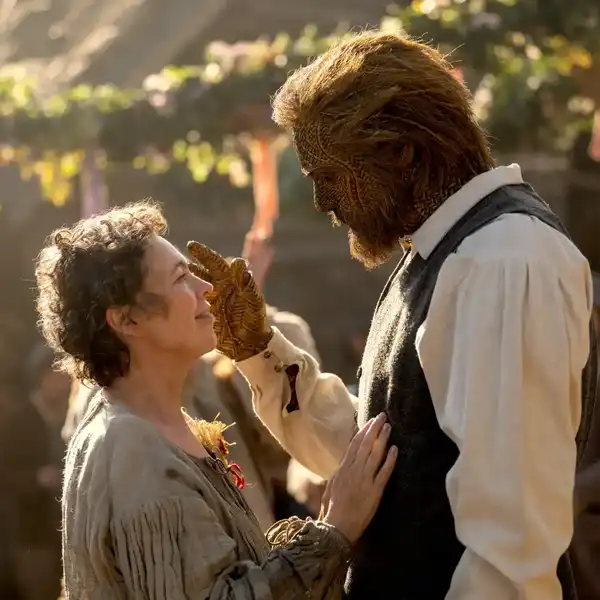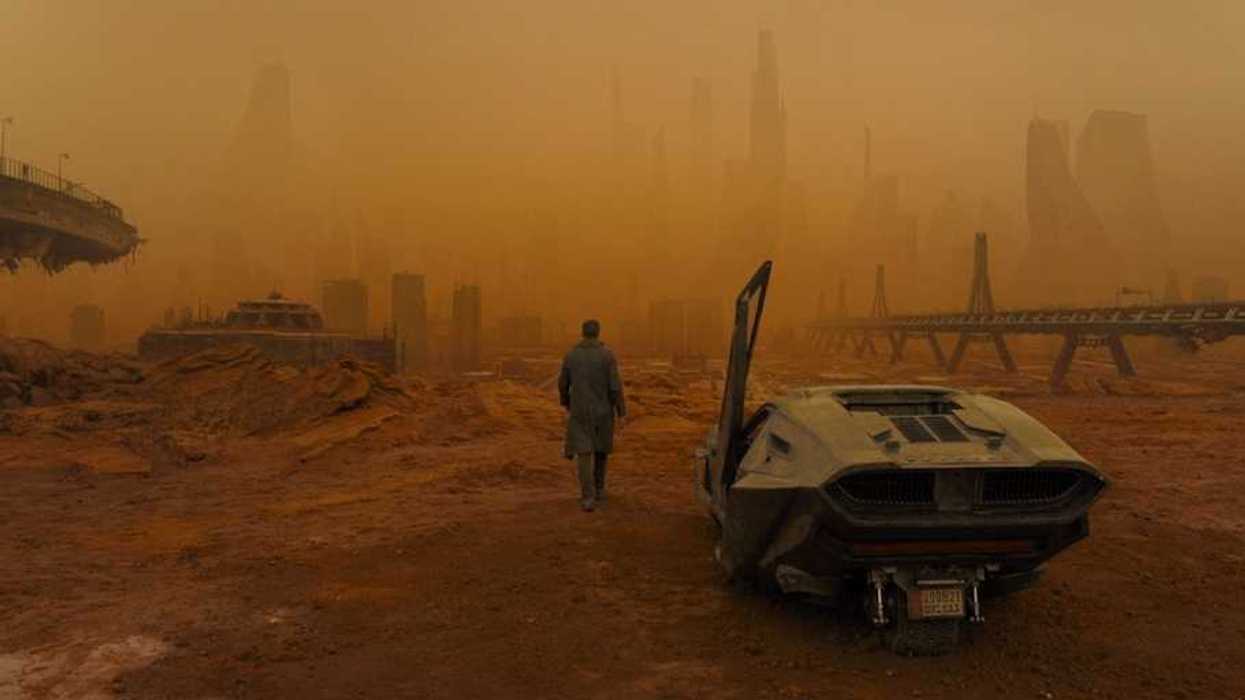
In a close-up, you see the most intimate emotions, but when you pull out of the frame, you feel the weight of everything they are carrying in a wide shot.
Whether you shoot on an iPhone or an IMAX camera, framing a subject is a complex process. Among the many tools of a filmmaker’s arsenal, wide shots play a significant and unique role in drawing the audience in by establishing context as well as reflecting the mental state of a character.
From showcasing the vastness of a desert landscape to the isolation of a character in a bustling city, wide shots convey a lot without uttering a single word.
Let’s dive in to learn more about the psychology of wide shots.
What is a Wide Shot?
A wide shot (also known as a long shot) is when one character or a group of characters, along with the environment, is visible within the frame from head to toe.
A wide shot uses scale, distance, and proportions to depict the emotional state of a character. Our brains function by comparing the character size to the surrounding scale and interpreting the difference to understand the psychological state of a character.
This is how isolation is conveyed through the visual grammar.
Essential Aspects of a Wide Shot Showing Isolation
1. The Proportional Scale
Cinema is a visual trick, and as our minds recognize relationships through spatial cues, it works.
But the moment you pull out of the frame, visual hierarchy changes. The environment no longer provides context to the character, but the character becomes a part of the environment itself.
When a character is framed before a long-stretched sky or a towering cityscape, it is indeed the visual manifestation of a character’s emotional state. He is at his most vulnerable and isolated, with nowhere to run and hide.
2. Negative Space
Negative space is used to direct a viewer’s eye to the desired subject in a space that’s devoid of any human life. Filmmakers often employ negative space in their shots to depict the smallness of a character in a huge area.
For example, a character sitting alone in a big hall, where people gather and fill the space, implies that the character is alone. The shot doesn’t require any dialogue or score to achieve the intentional tone, but the framing itself becomes an emotion.
From making a character vulnerable and showing emotional distance to crafting psychological tension, negative space can be used to create various responses.
Examples of Wide Shots in Movies
1. Her (2013)
 'Her' (2013)Credit: Warner Bros.
Hoyte Van Hoytema is a genius in how he shot Her. Theodore (Joaquin Phoenix) is repeatedly surrounded by vast spaces—rooftops, train stations, and huge urban skyscrapers. Through off-center framing and wide shots, Theodore feels totally isolated in a city that looks empty even when it’s not.
2. Lost in Translation (2003)
 'Lost in Tranlation' (2003)Credit: Focus Features
In Lost in Translation, Bob (Bill Murray) and Charlotte (Scarlett Johansson) are repeatedly shown tiny people in front of massive Tokyo structures. They both are emotionally disconnected, despite being surrounded by millions of people.
3. Manchester by the Sea (2016)
 'Manchester by the Sea' (2016)Credit: Amazon Studios, Roadside Attractions
Lee Chandler (Casey Affleck), a grieving man, is framed in wide shots of him roaming around cold, open spaces, such as empty streets, docks, and stacks of buildings. Without saying much, the wide shots convey his pain and separation from his hometown.
4. Blade Runner 2049 (2017)
 'Blade Runner 2049' (2017)Credit: Warner Bros.
Agent K (Ryan Gosling) is surrounded by empty spaces throughout the movie. The tone is bleak and dusty, and the environment itself is a main character in the film, which creepily highlights Agent K’s struggle with his identity.
5. No Country for Old Men (2007)
 'No Country for Old Men' (2007)Credit: Miramax
The Coen Brothers shot the movie in large spaces—deserts, motel parking lots, wide roadways. They framed almost every character the same way, showing that a man is a powerless creature against the fate of nature.
Summing Up
Loneliness doesn’t need external dialogue or score to convey the tone. When you have to capture a character's detachment, don’t hesitate to pull out the wide lens. Let the vastness of the surroundings fill in. Let it breathe with the character in frame, and see the magic happen.- The 10 Kinds of Camera Shots Every Filmmaker Needs to Know ›
- A Tribute to the Picturesque Wide Shots in Michael Cimino's Films ›
- 5 Cinematography Lessons From Legendary 'Eyes Wide Shut' DP Larry Smith ›
- Wide Shot | No Film School ›
- What is The Close Up Shot? ›
- How Did the Close-Up Change the Way We View Westerns? ›