The Science of Why Fast Cuts In Movies Trigger Panic
Filmmakers distort speed and rhythm to overwhelm the audience.
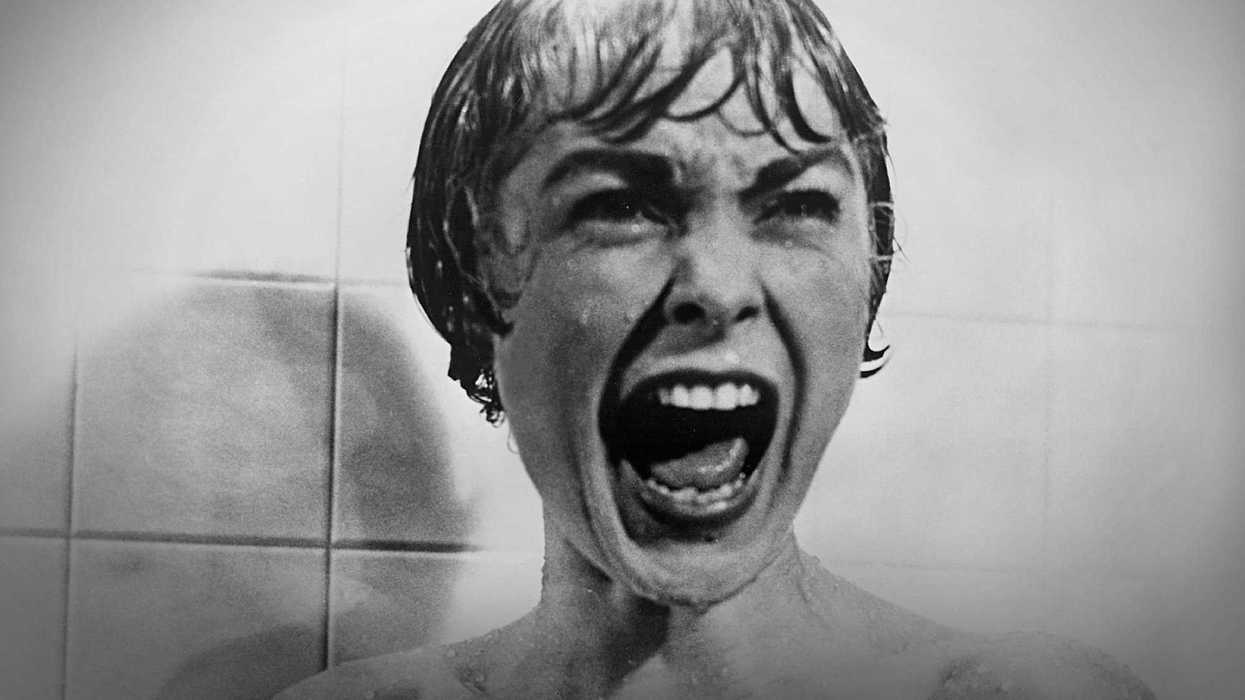
'Psycho' (1960)
Fast cuts don’t just pace the film up; they make the audience feel unstable and overwhelmed. And that is exactly the intention.
When the time between shots is cut short, and everything moves quickly, the audience gets less opportunity to settle and process what they are watching. During this, the filmmaker gains greater control over viewers, not just because they have your attention but because they are in a strong position to guide your thoughts and feelings. By accelerating the rhythm and denying or reducing the idea of “rest”, fast cuts make audiences feel more alarmed yet more alert and in sync with what they are watching.
So, how exactly do fast cuts create panic? What is the right time to use them?
Let’s jump right in and explore.
Fast Cuts & Fragility Of Perception
Fast cuts rely on your brain’s processing power, but not the way you’re thinking. Instead of betting on you to process things quickly, they actually hope for the exact opposite. Fast cuts attempt to exploit the brain’s limited capacity to process visual information very quickly. By cutting between shots with immediacy, your senses are overloaded, and your attention is likely to shift towards what the filmmakers want you to be attentive to. Let me explain.
Every inch of a film’s frame contains information. Our brains process as much as possible, but it is nearly impossible for them to process every bit of every frame, I mean, obviously. Now, based on the understanding of this concept, imagine that the time your brain gets to process every frame is drastically reduced.
Now, your brain is trying its best to gather important information from every frame, as fast as it can. A film that uses fast cuts cleverly will ensure that it feeds you just the right information in each frame, consequently immersing you completely in its storytelling. Your perception is governed by what you can see and process from every frame. Filmmakers can use this very principle to control what the audience focuses on and what they overlook.
For example, in a fast-cut car chase sequence, you’re likely to focus on the characters inside the cars (when presented) and the chase itself. You may not pay attention to the traffic or other aspects of the framing. This can greatly benefit the filmmaker. By controlling what you focus on, they can introduce new elements into a scene when you least expect, hence controlling audience perception to a great extent.
Why Do Fast Cuts Trigger Panic?
Fast cuts create a feeling of being overwhelmed. They make you feel as though you’re losing control over yourself simply because of what you’re watching. The fragmented nature of what we see, coupled with how little time we get to see it, can make us feel panic.
Fast cuts can create a rollercoaster of emotions, depending on the genre and the nature of the scene. In a thriller or horror, for example, as our emotional fragility is already presumably high, fast cutting can evoke more urgency, adrenaline, and most importantly, fear.
The shower scene in Psycho (1960) is a phenomenal example of the power of fast cutting. Before this moment, Alfred Hitchcock ensures that the scene is rather silent. Not only this, but the cutting is relatively slow until the attack. The editing speed increases drastically after the killer opens the curtain. Hitchcock’s decision to employ faster cutting at this precise moment helps elevate viewer anxiety astronomically. As an audience, we get little time to think and process. With every cut, the terror amplifies, and the viewer is more shocked than before.
When we speak about audience panic, we have to understand that it is essentially what the audience is “made to feel”. The panic is entirely in the viewer’s mind and is triggered by what they are watching. Fast-cutting techniques help escalate this panic and leave the audience at the mercy of the scene, hoping to be relieved sooner rather than later. The best way to understand this further is to observe how quickly nerves settle as soon as the fast cutting subsides. Even when this technique is used outside the thriller or horror genre, the moment editing patterns return to a slower, more “normal” approach, an audience is likely to feel more settled.
When Does Speed Serve The Story?
Fast cuts serve the story when they are deployed with purposeful narrative intent. This technique can help elevate emotional stakes, convey thematic ideas, or raise tension, but all of this can only work if the whole process is in sync with the story.
If the scene itself is not strong enough, the cutting pattern is unlikely to help the film. In Psycho, for example, the audience does not expect to lose Marion Crane (Janet Leigh) because we presume she is our protagonist. The quick cutting technique may amplify the tension in the moment, but a large reason why it works so well is that we are shocked by her death. This is an example of how the speed serves the story. The audience is lost for words, not because of the murder alone but because of what it means in the larger context of the story. It creates a feeling of “Where do we go from here?”
Any editing technique will only work in favor of the film if the story has room for it. Fast cuts are no different. We can use them when we feel the moment is right and the story would be elevated by its panic-inducing properties.
Summing It Up
Fast editing techniques can increase the tension in a scene, overload the viewer’s senses, and keep them hooked into the story. However, just like every other technique in the book, it is important to know when to deploy this tool and when not to use it.
Which is your favorite fast-cut sequence of all time? Tell us in the comments below.