False Protagonists Explained: When the “Lead” Isn’t the Lead at All
You were there for them, but they abandoned you.
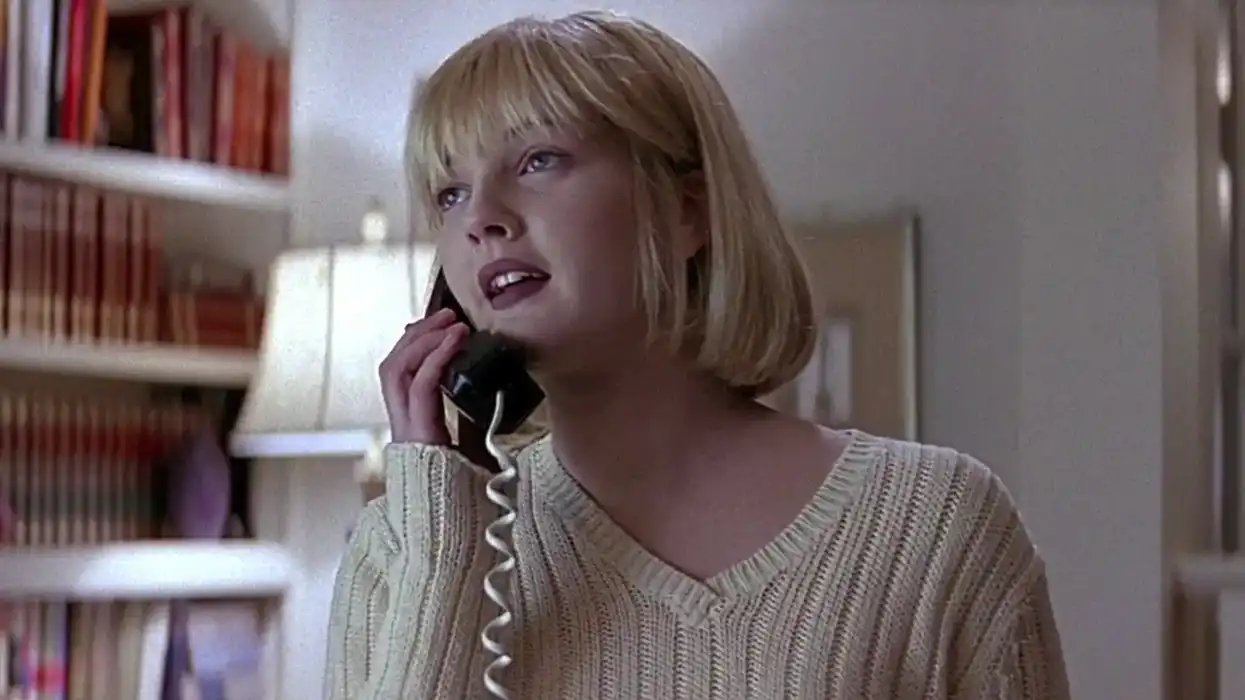
'Scream' (1996)
We all recall a time when we were watching a movie or a TV show, fully invested in a character and their motivations, obviously thinking that we’d see the rest of the movie through their eyes. But then – bang.
They bailed on you. They ghosted the plot. They broke the deal. They tossed you aside.
Suddenly, the person you thought was the hero is gone, or not who you expected them to be.
That’s the magic of the false protagonist, a storytelling trick that flips the script and keeps us hooked.
Let’s take a look at what makes this cinematic tool so solid and reliable, with some iconic examples in film and TV that absolutely hit it out of the park.
Understanding The False Protagonist
Before we go into memorable examples of false protagonists, let’s try and understand what it really means. Well, simply put, a false protagonist is a character who seems like the story’s main hero but doesn’t turn out to be one.
False protagonists draw you into the story, their own journey, their quest to discover or learn something, only to be revealed as a decoy — either killed off, sidelined, or exposed as less central than you thought.
This narrative technique hooks audiences by subverting expectations and forcing a shift in perspective that the audience was most likely not prepared for. By creating a sense of unreliability towards the story, false protagonists deepen the story’s emotional or thematic impact.
Think of false protagonists as a plot twist, through a character, that rewires your understanding of the movie or a TV show. By creating a character who seems destined to be the lead, then yanking them away, filmmakers and showrunners create unforgettable surprises that challenge our assumptions and keep us glued to the screen.
5 Top Films And TV Series That Crushed The False Protagonist Twist
Let's jump into a few unforgettable examples in film and TV that mastered the use of false protagonists.
1. Psycho (1960)
- YouTube www.youtube.com
In this Alfred Hitchcock classic, Marion Crane (Janet Leigh) steals money from her employer and flees, landing at a creepy motel run by a shy, disturbed owner, Norman Bates. What we don’t realize until her sudden, shocking death is that Marion was a false protagonist.
We are hooked onto her tense escape, and we expect her to drive the story’s arc. We also expect the movie to actually be a film about her escape and the eventual consequences of it. But it's none of those things.
Hitchcock geniusely shifts focus away and splits it into two parts. A look at Norman’s fractured psyche and an investigation into Marion’s disappearance. Norman’s dark, troubling complexity steals the show, and in many ways, he becomes the chilling protagonist of this timeless classic.
2. Game of Thrones (2011-2019)
- YouTube www.youtube.com
In George R. R. Martin’s fantasy world, noble families of the seven kingdoms of Westeros battle for the Iron Throne, amid political intrigue and looming supernatural threats.
As season one begins, Ned Stark (Sean Bean) is most certainly our false protagonist. We see the story through his eyes, we are drawn into his fight against corruption, and we think he would lead the charge and clean up the system. Until, of course, one of the most brutal killings ever depicted on a television screen, a beheading in the season’s penultimate episode, takes him away from us, sending the whole plot into a spiral, literally and figuratively.
Ned’s death becomes a catalyst, but it is also a decoy for the show’s focus, which evolves into a more ensemble one after his death. I also think Ned’s death in Game of Thrones became a seminal moment, not only for the show but for television in general. It created a tremendous sense of unpredictability towards television, a format that had become rather redundant with long-format sitcoms and shows in which characters had long storylines over countless seasons, often reducing the shock factor to a bare minimum.
3. The Godfather (1972)
- YouTube www.youtube.com
In Francis Ford Coppola’s epic saga, the Corleone family navigates loyalty, betrayal, and power struggles in post-war America. The film famously begins with Vito Corleone (Marlon Brando), as the commanding don, who also turns out to be a false protagonist.
Since the story begins with Vito very much at the centre of the plot and in a manner that establishes his powers and influence, we expect him to continue to remain our protagonist. However, after an attempt on his life, the focus slowly fades away and latches onto Michael Corleone (Al Pacino), his reluctant son, who emerges as the saga’s true hero and protagonist.
The power shift in The Godfather has influenced many films and TV shows in the years that followed, particularly due to the unlikeliness of Michael to transform into a person who his family, and we, did not expect him to.
4. Scream (1996)
- YouTube www.youtube.com
In Wes Craven’s film, the false protagonist tool is brilliantly deployed through Casey Baker (Drew Barrymore). Casey opens the film as the apparent lead. Her casual evening at home is disrupted by a phone call from Ghostface.
Craven smartly leverages Barrymore’s stardom and subverts expectations of her surviving as the central heroine by brutally killing her character in the first 12 minutes. This creates a dark, engrossing atmosphere in which no one is safe. The real protagonist, Sidney Prescott, emerges as the true focus after Casey dies.
Casey Baker’s shockingly early demise set a standard for unpredictability in the horror genre
5. Succession (2018-2023)
- YouTube www.youtube.com
In HBO’s epic business saga, a dysfunctional media dynasty battles for control of the patriarch's (their father's) health falters. The series begins with Kendall Roy (Jeremy Strong) as the son expected to take charge of the family business. But he is, quite certainly, a false protagonist.
We root for Kendall’s rebellion, we consider him to be the rightful heir to the throne, but the focus slowly shifts away from him and towards an ensemble cast, including his siblings Roman and Shiv, with no single hero in sight.
The show’s ending, I think, amplifies the use of false protagonists because not only was Kendall set up to be a false protagonist, but so were his siblings.
Final Thoughts
False protagonists are a cinematic curveball - a fantastic tool that hooks us into believing a story would go one way, while it ends up choosing an entirely different direction. These are not merely plot twists; they go much deeper. False protagonists can expose human flaws, poor decision-making, or present situations of sheer bad luck. Sometimes all together.
Next time you’re invested in a character, think again.
- What's a Protagonist? ›
- Is Peggy the Real Protagonist of 'Mad Men'? ›
- 'John Wick' Shows How to Write a Terrifying Protagonist ›
- How Do You Handle Dual Protagonists? ›
- How Do You Keep a Film Moving When Your Protagonist Can't? ›
- What's the Difference Between the Protagonist and the Main Character? ›
- 'Raging Bull' and the Glory of the Unlikable Protagonist ›